


LATEST ARTICLES

Manipur NDA MLAs, Allies Summoned to Delhi as President’s Rule Nears One-Year Mark

IMPHAL: With President’s Rule in Manipur approaching its first anniversary, leaders and lawmakers from the National Democratic Alliance (NDA) representing the state have been called to New Delhi for high-level consultations with the central leadership. The move has intensified political speculation over the possible restoration of an elected government in the violence-affected northeastern state.

Our correspondent reports that the Bharatiya Janata Party (BJP) leadership has asked all BJP legislators from Manipur, along with MLAs of alliance partners, to attend a crucial meeting in the national capital. The discussions are taking place as the state continues under President’s Rule, imposed on February 13, 2025, after prolonged ethnic unrest and political instability.

Sources said the instructions to attend the meeting were issued over the weekend, following which legislators began travelling to Delhi. The invitees include BJP MLAs as well as members of alliance partners such as the National People’s Party, the Naga People’s Front and supporting Independent legislators. Party insiders said the meeting is aimed at reviewing the political situation in Manipur and exploring options ahead of the nearing deadline of central rule.

A senior BJP legislator from the state said the consultations would focus on the possibility of government formation and restoring political stability. “With the one-year period of President’s Rule almost complete, the leadership needs to take a call on the future course of action. The discussions in Delhi are expected to be decisive,” the leader said.

Former Chief Minister N Biren Singh, who remains a prominent BJP figure in Manipur, was among the MLAs who travelled to the national capital. Before leaving Imphal, he said the meeting with the central leadership was significant for the state. “This engagement is important for Manipur. We hope that constructive discussions will help pave the way for restoring democratic governance,” he said.

Another BJP MLA, Sorokhaibam Rajen, said that the central leadership would decide the next steps. “Government formation is part of the discussions. Any decision taken by the party leadership will be supported by us,” he said, indicating readiness to back a consensus choice.

Our correspondent adds that political talks around restoring an elected government have gained momentum in recent weeks, with several leaders arguing that prolonged central rule cannot be a substitute for representative governance. However, the situation on the ground remains complex, with differing viewpoints across communities and political groups.

Civil society organisations and groups representing sections of the Kuki-Zo community have expressed reservations about restoring an elected government without addressing key concerns related to security, territorial administration and long-standing grievances. Some organisations have reiterated demands for separate administrative arrangements and have cautioned against hurried political decisions.

On the other hand, several valley-based groups and political leaders have been pressing for an early end to President’s Rule, arguing that an elected government is essential for long-term peace, reconciliation and development. They maintain that democratic institutions must be revived to address public issues effectively.

Political analysts said the inclusion of alliance partner MLAs in the Delhi meeting suggests that the BJP leadership is attempting to build a broader consensus within the NDA before taking any major decision. “Any move towards government formation will require support beyond a single party, especially given Manipur’s fragile social fabric,” an analyst said.

The central leadership is also believed to be assessing whether the political environment is conducive to stable governance, or whether President’s Rule needs to be extended further. Under constitutional provisions, President’s Rule can be extended with parliamentary approval, but prolonged central administration is often viewed as a temporary arrangement rather than a long-term solution.

Observers note that the timing of the meeting is critical, as the approaching anniversary of President’s Rule places pressure on the Centre to clarify its stance. “The urgency reflects the constitutional timeline, but the challenge lies in balancing democratic restoration with the need for lasting peace and consensus among communities,” a political commentator said.

As deliberations continue in New Delhi, attention remains firmly on the outcome of these talks. Any decision taken in the coming days is expected to have a significant bearing on Manipur’s political future and the prospects for restoring elected governance in the state.

Tags:
Manipur President’s Rule, NDA MLAs meeting, BJP leadership Delhi talks, Manipur political developments, government formation Manipur, northeastern politics

Anini Mini Secretariat Inaugurated, Hosts First Cabinet Meeting

ANINI: The remote headquarters of Dibang Valley district marked a significant administrative milestone with the formal inauguration of the Mini Secretariat at Anini, followed by the first-ever Cabinet meeting held at the newly established facility. The development is being seen as a major step toward strengthening governance and decentralisation in one of the most geographically challenging regions of the state.

Our correspondent reports that the Mini Secretariat was inaugurated in the presence of Chief Minister Pema Khandu, Deputy Chief Minister Chowna Mein, several cabinet ministers, and senior officials of the state administration. The event brought together ministers, commissioners, secretaries, directors and heads of departments, underscoring the importance attached by the government to improving administrative outreach in far-flung areas.

Soon after the inauguration ceremony, the state cabinet convened its meeting at the Mini Secretariat, making it the first cabinet session to be held in Anini. Officials described the move as historic, noting that high-level decision-making being conducted from the district headquarters reflects a shift towards more inclusive and region-sensitive governance.

The newly inaugurated Mini Secretariat has been designed to house multiple government departments under one roof, with the objective of improving coordination among offices and reducing administrative delays. Officials said the facility will serve as a crucial administrative hub for Dibang Valley, enabling faster decision-making and better monitoring of development programmes.

Addressing officials informally on the occasion, the Chief Minister said that taking governance closer to the people is central to the state government’s development philosophy. He stressed that remote districts like Dibang Valley should not feel disconnected from the administrative mainstream simply because of geography.

“The inauguration of this Mini Secretariat is not just about a building, but about empowering local administration and ensuring that government services reach citizens efficiently,” the Chief Minister said. He added that holding a cabinet meeting in Anini sends a clear message of the government’s intent to promote decentralised and transparent governance.

Our correspondent adds that senior officials noted the Mini Secretariat will significantly improve inter-departmental coordination at the district level. By bringing various departments together, the facility is expected to reduce dependence on long-distance communication with the state capital and help resolve local issues more promptly.

The cabinet meeting held at Anini reviewed key administrative and development-related matters, with a particular focus on infrastructure, connectivity, health, education and welfare schemes in frontier districts. Officials said discussions also centred on strategies to strengthen service delivery mechanisms and improve the implementation of government programmes in remote and border areas.

Local leaders and residents have welcomed the development, describing it as a long-standing demand of the district. Community representatives said the presence of a fully functional Mini Secretariat would ease access to government offices, reduce travel hardships and help citizens get their grievances addressed locally.

Administrators pointed out that Dibang Valley, due to its terrain and sparse population, faces unique challenges in governance. Establishing a robust administrative facility at Anini is expected to enhance monitoring of projects, improve coordination between departments and ensure better utilisation of public funds.

The state government has, over the years, emphasised decentralisation as a key governance reform. Officials said the decision to hold cabinet meetings outside the state capital is part of a broader effort to familiarise ministers and senior officers with ground realities and local challenges.

The inauguration of the Mini Secretariat at Anini also aligns with the government’s commitment to people-centric administration. By strengthening district-level institutions, the state aims to bridge the gap between policy formulation and implementation, especially in remote regions.

With the Mini Secretariat now operational, officials expressed confidence that Dibang Valley will witness improved administrative efficiency and more responsive governance. The government reiterated that similar initiatives would continue in other remote districts to ensure balanced regional development and inclusive growth across the state.

Union Budget a Reform-Oriented Win for State: CM Sarma

GUWAHATI: Assam Chief Minister Himanta Biswa Sarma has lauded the recently presented Union Budget 2026–27, calling it a reform-oriented fiscal blueprint that offers significant gains for Assam and the broader Northeastern region. The CM said the budget prioritises economic growth, investment in key sectors and inclusive development, promising a boost to infrastructure, social welfare and employment opportunities.

Our correspondent reports that speaking to the media following the budget presentation in New Delhi, Mr Sarma described the government’s financial plan as a “win for Assam and the Northeast.” He emphasised that the budget not only aligns with regional development goals but also reflects an understanding of the distinct requirements of the Northeastern states.

“The Union Budget for 2026–27 is progressive, forward-looking and reform-oriented,” the Chief Minister said. “It underscores the Centre’s commitment to accelerated development in the Northeast, with clear emphasis on connectivity, economic empowerment and equitable growth. This budget sends a strong message that Assam’s priorities have been heard.”

Mr Sarma highlighted several provisions in the budget that he said are particularly beneficial for Assam. Among them, he pointed to increased allocations for road and rail connectivity, support for agriculture and allied sectors, and initiatives targeting digital infrastructure and technology adoption. He also welcomed proposed outlays aimed at enhancing healthcare delivery and education quality across the region.

The budget’s focus on strengthening rural economies and livelihood programmes also drew praise from the Chief Minister. He noted that while urban centres continue to grow, sustained investments in rural development are essential for balanced and inclusive progress.

“Assam’s citizens, especially those living in remote and rural areas, will benefit from renewed investment in social services, skill development and income support schemes,” Mr Sarma said. “The focus on human capital development in the budget is a key step in empowering our youth and ensuring that no one is left behind.”

The CM further observed that the budget’s reform-oriented approach could unleash new opportunities for attracting investment, enhancing industrial productivity and promoting entrepreneurship. He described the budget as one that seeks not only to stabilise public finances but also to unlock long-term economic potential through targeted reforms and strategic spending.

“Our ongoing efforts to improve ease of doing business, promote private sector participation and enhance competitiveness will be strengthened by the provisions laid out in this budget,” Mr Sarma said. “We are entering a phase where policy clarity and sustained investment can drive growth for our state and the Northeast as a whole.”

Our correspondent adds that the Chief Minister also urged state officials to begin detailed reviews of budget proposals to align Assam’s planning and implementation strategies with available resources. He underscored the importance of timely utilisation and effective execution to ensure that allocations are translated into tangible outcomes for citizens.

Political leaders in Assam welcomed the budget’s emphasis on regional development and pledged to work closely with the Union government to optimise outcomes. Members of the ruling coalition and state legislators said they believe the budget will support key areas such as healthcare infrastructure, education reform, climate resilience and sustainable agriculture.

Economists and policy observers analysing the fiscal document said the budget’s special focus on connectivity and development in the Northeastern region reflects a broader policy shift by the Union government to address regional disparities and promote inclusive national growth.

“The Northeast has long faced unique geographical and economic challenges,” one analyst commented. “This budget appears to tackle those challenges head-on by prioritising infrastructure, jobs, and access to quality services, which are essential for enhancing the region’s economic trajectory.”

Looking ahead, officials indicated that the full impact of the budget will become clearer as detailed allocations are examined and sectoral programmes are rolled out. The state government said it will hold consultations with stakeholders to identify priorities and prepare implementation plans.

Mr Sarma concluded by saying that Assam is well-positioned to leverage the opportunities presented by the Union Budget 2026–27, and he expressed confidence that the state’s economy will continue to grow on a foundation of inclusive, sustainable development.

Pakistan to Boycott Group Match Against India at 2026 ICC T20 World Cup

0

NEW DELHI: Pakistan has announced that it will boycott its scheduled group-stage match against India at the 2026 ICC Men’s T20 World Cup, sparking a major controversy ahead of one of cricket’s most anticipated global tournaments.

The Pakistan Cricket Board (PCB) said in an official statement that the team will not take the field against India in the fixture slated as part of the Super Eight stage of the tournament. The decision comes amid ongoing political tensions between the two nations and marks one of the rare instances in international cricket history where a side has withdrawn from a marquee match due to non-sporting reasons.

According to the PCB, the decision to boycott the India match was taken after consultations with the country’s government and relevant authorities. The Board cited concerns related to player security, diplomatic differences and other unspecified “logistical challenges” in hosting or competing against India.

Pakistan’s move has triggered a strong reaction from cricket followers and administrators worldwide. The International Cricket Council (ICC), which governs the T20 World Cup, is expected to convene an urgent meeting of its member boards to discuss the implications and determine how the situation will be handled in accordance with tournament rules.

Under the ICC’s event regulations, a team that refuses to compete in a scheduled fixture may forfeit the match, resulting in a walkover for the opposing side. If upheld, India would be awarded the points for the fixture, which could impact the standings and progression within the group stage.

The development also raises questions about the broader conduct of the T20 World Cup, given the commercial and sporting significance of matches between India and Pakistan. Encounters between the two teams have historically drawn massive global viewership and guarded rivalries, making this withdrawal particularly impactful for fans and sponsors alike.

Cricket analysts believe that Pakistan’s decision could have a ripple effect on the tournament’s scheduling and logistics. “This is unprecedented and could force the ICC and the respective boards to revisit how matches are organised, especially when geopolitical tensions intersect with major sporting events,” one analyst said.

Fans on social media expressed disappointment and frustration, with many lamenting what they see as a lost opportunity for one of cricket’s greatest rivalries. Others, however, backed Pakistan’s right to make decisions based on government direction and player safety considerations.

Officials from the Board of Control for Cricket in India (BCCI) have not yet issued a formal statement regarding the boycott. It remains unclear how India’s team management will approach the situation, particularly with regard to team preparation and morale ahead of other fixtures in the World Cup.

The 2026 ICC Men’s T20 World Cup, co-hosted by the United States and the West Indies, is set to feature the world’s leading cricket teams and is scheduled to run over several weeks. India and Pakistan were grouped together in a block of high-profile matches, which was expected to be one of the highlights of the tournament.

Sports economists and event planners are now assessing the potential commercial impact of Pakistan’s withdrawal from the India game. Advertising, broadcasting deals and ticket sales tied to high-drama matchups have been a key revenue driver for the ICC and franchise partners.

Meanwhile, the PCB has reiterated that the safety of its players and staff remains the top priority. “We have taken this decision in our national interest and in the interest of everyone associated with the team,” the PCB statement read. “We will continue to engage with the ICC and other stakeholders regarding our future participation in the tournament.”

Cricket governing bodies, fans and experts will be watching closely as the situation develops. The outcome of the ICC’s deliberations could define not only the fate of this edition of the T20 World Cup but also how political complexities influence international sport in the years to come.

Lawngtlai District TB Forum Holds Strategic Meeting on Tuberculosis Control

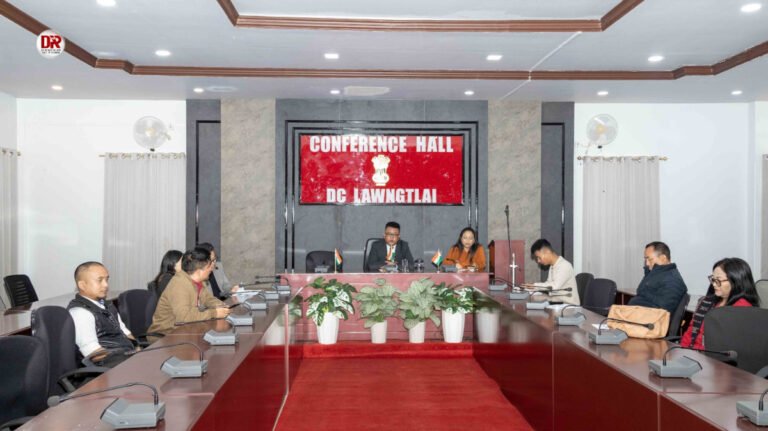
LAWNGTLAI: The Lawngtlai District Tuberculosis (TB) Forum convened a key meeting on Monday to review progress, strengthen coordination among stakeholders, and plan renewed efforts for TB prevention, diagnosis and treatment in the district. Health officials and community representatives gathered to assess current strategies and discuss ways to accelerate the reduction of TB incidence in line with national targets.

Our correspondent reports that the meeting was chaired by the district TB officer and attended by senior health department representatives, local government officials, frontline health workers, community leaders and members of civil society. The purpose of the forum was to evaluate ongoing TB control measures, identify implementation challenges and chart out actionable plans for the coming months.

During the session, participants reviewed the district’s TB case notification trends, treatment success rates and outreach activities undertaken under the Revised National Tuberculosis Control Programme (RNTCP) and the larger National TB Elimination Programme (NTEP). Officials presented data showing both achievements and areas of concern, and stressed the importance of timely diagnosis and comprehensive patient support.

Representatives from the health department emphasised the need for strengthening grassroots engagement to ensure early detection and uninterrupted treatment. “Active case finding, efficient referral networks and community involvement are key to reducing the burden of tuberculosis in our district,” one official said, underscoring the district’s commitment to enhancing service delivery across rural and remote areas.

The meeting also addressed the critical role of frontline health workers in TB management. Forum members discussed training requirements, reporting mechanisms and the importance of accurate and prompt data submission to state and national health authorities. Speakers highlighted that efficient field coordination and community awareness are essential for reaching vulnerable populations who may otherwise delay seeking medical care.

Our correspondent adds that special emphasis was placed on improving awareness programmes to educate the public about the symptoms of TB, the free availability of treatment services and the importance of completing the full course of therapy. Representatives urged local leaders and volunteers to actively participate in information dissemination campaigns to combat stigma and misinformation surrounding the disease.

A detailed discussion was held on strengthening linkages with private healthcare providers and traditional practitioners to ensure that all suspected TB cases are referred quickly for sputum testing and clinical evaluation. Officials pointed out that timely laboratory confirmation and initiation of treatment are vital in breaking the chain of transmission and improving patient outcomes.

The forum also reviewed progress in supporting TB patients with nutritional supplementation, counselling and follow-up care. Members agreed that taking a patient-centric approach would improve treatment adherence and reduce the likelihood of relapse or drug resistance. Attention was drawn to the need for comprehensive social support services for affected families, particularly for patients facing economic hardships.

District authorities underscored the contribution of non-governmental organisations and civil society groups in complementing government efforts. The forum encouraged continued collaboration with local partners to extend the reach of TB awareness campaigns and community screening drives.

In addition, members discussed the upcoming World TB Day observance, with plans to hold special events, public outreach activities and health camps aimed at intensifying awareness and showcasing the district’s achievements in TB control.

At the conclusion of the meeting, participants reaffirmed their commitment to accelerate tuberculosis elimination efforts in Lawngtlai district. A follow-up plan with clear roles, timelines and performance benchmarks was agreed upon to ensure sustained progress.

Officials said that strengthening TB control remains a priority within broader public health initiatives and that regular forum meetings will be held to monitor implementation, address challenges and refine strategies as needed.

Meghalaya CM Says Budget Has Special Emphasis on Northeast

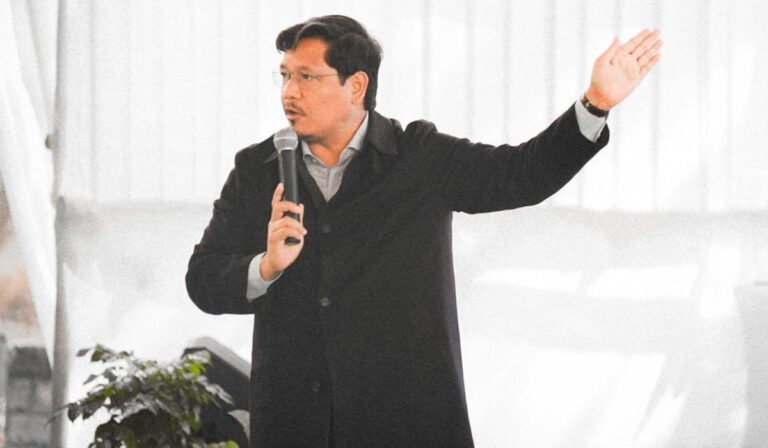
SHILLONG: Meghalaya Chief Minister Conrad K. Sangma has welcomed the Union Budget 2026–27, saying it shows a “special focus” on the development needs of the Northeastern states. In remarks made here on Monday, the Chief Minister highlighted the budget’s allocation patterns and policy direction, noting that several key priorities for the region appear to have been addressed in the government’s financial blueprint.

Our correspondent reports that Mr Sangma spoke to reporters shortly after Finance Minister Nirmala Sitharaman presented the budget in Parliament. He described the fiscal document as forward-looking and inclusive, particularly with regard to sectors that are critical for the economic and social upliftment of Meghalaya and other Northeastern states.

“The provisions and allocations in the budget reflect a deep understanding of the needs of the Northeastern region,” the Chief Minister said. “There is a clear attempt to align budgetary support with development targets such as improved connectivity, infrastructure, livelihood generation, and human capital development. This is a positive signal for the North East.”

Mr Sangma pointed out that the Budget 2026–27 includes enhanced focus on sectors such as road and rail connectivity, digital infrastructure, health care and education—areas that have long been priorities for Northeastern administrations. He also welcomed the emphasis on decentralised development and schemes aimed at strengthening the rural economy.

The Chief Minister noted that the budget’s focus on boosting investment in agriculture, horticulture, allied activities and rural enterprises will benefit tribal and rural communities in his state. He said that many of the budget’s provisions were in line with the priorities identified by the Northeastern states during pre-budget consultations conducted by the Finance Ministry.

“Our discussions with the Union government and the Finance Ministry highlighted several key areas that are vital for sustainable development in the region,” Mr Sangma said. “The budget’s emphasis on infrastructure, social welfare and connectivity suggests that these concerns were given due consideration.”

The Chief Minister reiterated that Meghalaya would work closely with the Centre to effectively utilise the funds allocated under various heads. He stressed the importance of sound project planning and timely execution to ensure that budgetary outlays translate into tangible benefits on the ground.

Our correspondent adds that he also spoke about youth empowerment and skill development measures outlined in the budget. Mr Sangma noted that investments in education and vocational training were crucial for enhancing employability and encouraging entrepreneurship among young people, particularly in hilly and remote areas of the state.

Commenting on the budget’s overall economic thrust, the Chief Minister said the mix of fiscal prudence and strategic investment could help sustain growth momentum while addressing long-term structural challenges. He also welcomed initiatives aimed at promoting technology adoption, digital solutions and climate-resilient infrastructure.

He said the government will review the budget in detail with senior officials and relevant departments to align state priorities with available resources. “We will engage with ministries and departments at the Centre to ensure that Meghalaya benefits to the fullest extent possible from the budgetary provisions,” he added.

Political leaders in the state, including members of the ruling coalition, also hailed the budget’s increased allocations for welfare schemes and infrastructure development. Several legislators said they were hopeful that the budget’s focus on inclusive growth would support the state’s ongoing development programmes.

Experts analysing the fiscal document said the budget’s special attention to the Northeastern states reflects a broader policy shift by the Union government to address regional disparities and promote equitable development across all parts of the country. They noted that sustained public investment and targeted policy support can play a significant role in unlocking the economic potential of states like Meghalaya.

“We are witnessing a budget that attempts to balance macroeconomic stability with regional development imperatives,” said one economist familiar with the Northeast’s economic landscape. “The challenge now lies in implementation and efficient fund utilisation at the state level.”

As Meghalaya and other Northeastern states begin the process of planning and execution, state officials will be closely monitoring guidelines and fund disbursement mechanisms associated with various central schemes. The Chief Minister emphasised that coordination with the Union government would be a key factor in translating the budget’s vision into meaningful outcomes for citizens.

CM Pema Khandu Urges Empowered Panchayats to Deepen Grassroots Democracy

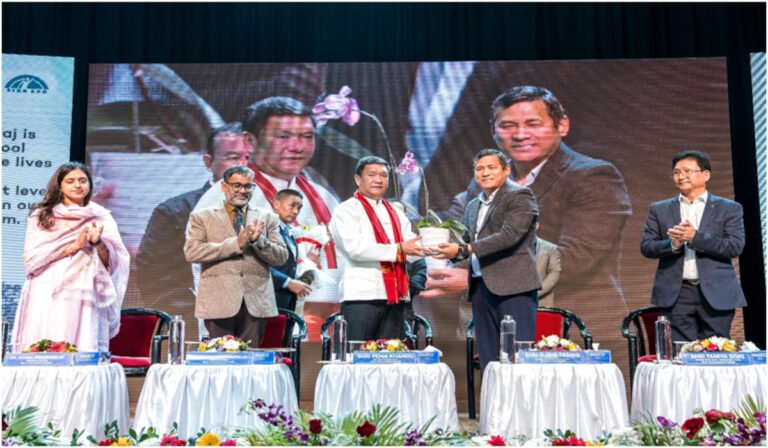
ITANAGAR: Chief Minister Pema Khandu has called upon elected representatives of Panchayati Raj Institutions (PRIs) to play a decisive role in strengthening grassroots democracy by ensuring inclusive planning, effective implementation of development schemes and close coordination with the administrative machinery.

Our correspondent reports that the Chief Minister was addressing the inauguration of an extended four-day State Level Interaction-cum-Orientation Programme for newly elected PRI representatives for the 2026–2030 term. The programme, organised by the Department of Panchayati Raj, brought together Zilla Parishad Chairpersons (ZPCs), Zilla Parishad Members (ZPMs) and Gram Panchayat Chairpersons (GPCs) from across the state.

Congratulating the newly elected PRI representatives on receiving the people’s mandate in the recent Panchayat elections, Khandu said the next five years present a rare opportunity to serve villages with vision, urgency and accountability. He urged the representatives to reflect democratic values and public aspirations in village-level development planning.

Explaining the structure of the orientation programme, the Chief Minister said the first two days involve joint training sessions for all ZPCs, ZPMs and GPCs, followed by two additional days of extended training specifically for ZPMs and GPCs. He said the technical sessions are designed to strengthen the Panchayati Raj system by familiarising representatives with government schemes, administrative processes and the use of modern technology.

Highlighting Arunachal Pradesh’s two-tier Panchayati Raj system, Khandu said the model was adopted to ensure clarity of roles and efficiency, keeping in view the state’s unique geographical and demographic conditions. He described Panchayati Raj institutions as the backbone of grassroots democracy and stressed that elected representatives carry a significant responsibility in shaping village development.

Sharing data on PRI representation, the Chief Minister said the state currently has 27 Zilla Parishad Chairpersons, 245 Zilla Parishad Members and 2,108 Gram Panchayat Chairpersons, along with more than 8,000 Gram Panchayat Members. He noted that due to space constraints, only about half of the GPCs were invited for the present programme, adding that district-wise and zonal-level training sessions would be organised in the future for wider coverage.

Khandu also informed that the government plans to undertake delimitation in the next Panchayat election cycle, following the upcoming census, to make Panchayati institutions more effective. He said the State Election Commission has already been empowered to carry out this exercise.

Referring to India’s broader development trajectory, the Chief Minister said the country has emerged as the fourth-largest economy globally and is poised to become the third-largest in the coming years. He said the vision of Viksit Bharat 2047 can only be realised when villages are developed, underscoring the central role of Panchayats in rural transformation.

Our correspondent adds that the Chief Minister highlighted flagship governance initiatives such as Seva Aapke Dwar and Cabinet Aapke Dwar, stating that these programmes have enabled direct delivery of services and benefits to over 15 lakh people, while also helping the government better understand grassroots challenges.

Reaffirming the autonomy of Panchayati Raj institutions, Khandu assured that there would be no interference by MLAs in Panchayat functioning. He said Panchayats are independent bodies empowered to discharge their responsibilities fully, adding that any complaints of interference have been taken seriously by the government.

The Chief Minister noted that Arunachal Pradesh is among the first states to allocate 10 per cent of its state-owned resources directly to the Panchayati Raj system over the past five years. He said this has led to increased grants for Panchayats as the state’s economy grows. He also highlighted the integration of digital platforms, e-governance tools, online audits, PFMS and gender inclusion frameworks to enhance transparency and efficiency.

Welcoming the replacement of MGNREGA with the Viksit Bharat Gramin Rozgar aur Aajeevika Guarantee Mission (VBGRAM), Khandu said the new scheme guarantees 125 days of employment and makes timely employment a constitutional right, with penalties for delays. He said the mission focuses on water security, rural infrastructure, livelihood enhancement and disaster mitigation, requiring need-based village planning.

Urging PRI representatives to adopt participatory planning, the Chief Minister emphasised the need to involve all households in village meetings and prioritise the upliftment of economically weaker sections. He also stressed convergence among departmental schemes to maximise development outcomes.

The Chief Minister said the government has constructed 1,182 Panchayat Bhawan-cum-Common Service Centres across the state and completed District Panchayat Resource Centres in five districts, with three more nearing completion. He highlighted the growing participation of women in Panchayati Raj, noting that women’s representation has reached nearly 48–50 per cent, well above the mandated reservation.

Emphasising the role of women and Self-Help Groups (SHGs) in strengthening the rural economy, Khandu said over 1.4 lakh women in the state are now engaged in SHG activities. He added that initiatives such as the annual Saras Mela have helped promote SHGs, and urged PRI representatives to integrate them into local development planning.

He also informed that the state government has signed an MoU with the Institute of Rural Management, Gujarat, to provide specialised training for Panchayati representatives and officials, with increased focus on platforms such as e-Gram Swaraj and Audit Online.

Calling for teamwork between Panchayats, district administrations and the state government, the Chief Minister said strong coordination would be essential to transform villages and position Arunachal Pradesh as a model of grassroots governance.

PRI Minister Ojing Tasing, Advisor Taniya Soki, Chief Secretary Manish Kumar Gupta, PR Secretary Sonal Swaroop and other senior officials were present at the programme.

Four Assam Workers Found Dead in Rented Shed Near Bengaluru

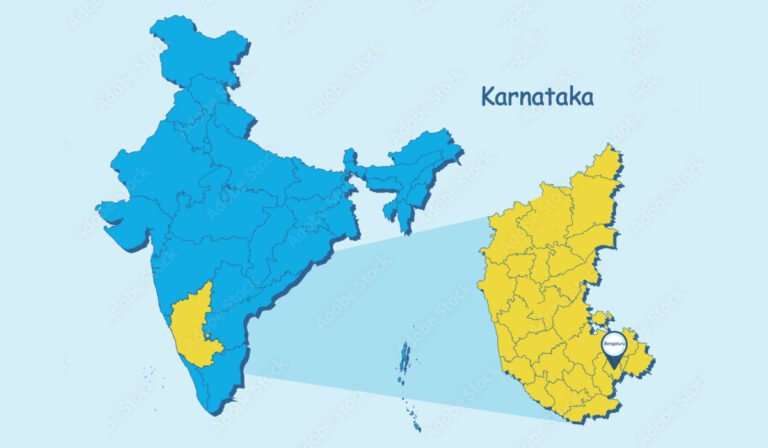
BENGALURU: Four young men from Assam were found dead inside a rented shed on the outskirts of Bengaluru, prompting police to launch an investigation into the circumstances surrounding the tragic incident. Preliminary findings suggest the deaths may have been caused by accidental asphyxiation due to toxic fumes accumulating inside the poorly ventilated accommodation.

The victims, all in their early twenties and natives of Assam’s Lakhimpur district, were identified as Jayant Sindhe, Nirendranath Taid, Doctor Taid and Dhananjay Taid. They were employed as contractual labourers at a private warehouse facility in the Hoskote area of Bengaluru Rural district and had been residing together in a small shed at Mutsandra village near Sulibele.

Police officials said the incident came to light when the four men failed to report for work on Saturday morning. Concerned co-workers went to check on them and, after receiving no response, forced open the door of the shed. The men were found lying unconscious inside and were declared dead at the spot.

Initial investigation points to the possibility of carbon monoxide poisoning. Officers said the shed was tightly sealed, with doors and windows shut, and lacked proper ventilation. It is suspected that the men may have cooked food late at night using a gas stove or similar heating source and closed all openings to keep warm, leading to a build-up of toxic gases while they slept.

A senior police officer involved in the probe said carbon monoxide is a colourless and odourless gas, making it particularly dangerous as victims often lose consciousness without realising the risk. “The room was completely airtight. In such conditions, even routine cooking can become fatal if there is no ventilation,” the officer said.

The bodies were shifted to a government hospital for post-mortem examination to ascertain the exact cause of death. The Sulibele Police have registered a case of unnatural death, and forensic experts are examining whether any additional factors contributed to the tragedy.

Police sources said the four men belonged to the Mising community and that at least two of them were related. Their sudden deaths have sent shockwaves through their families and the migrant worker community in the area. Authorities in Assam have been informed, and family members are expected to travel to Bengaluru to complete formalities.

Assam Chief Minister Himanta Biswa Sarma expressed grief over the incident and said the state government was coordinating with authorities in Karnataka to ensure that the bodies are returned to Assam with dignity. He also sought a detailed inquiry into the incident so that the families receive clarity on how the deaths occurred.

Officials said the Assam government’s existing scheme for transporting the bodies of residents who die outside the state would be used to facilitate the return of the mortal remains to their native villages.

The incident has once again highlighted concerns over the living conditions of migrant workers in major urban centres. Many workers, especially those employed on short-term or informal contracts, live in makeshift or overcrowded accommodations that lack basic safety features such as adequate ventilation, fire safety measures and proper sanitation.

Labour rights advocates said the tragedy underscores the need for stricter enforcement of housing standards for migrant workers and greater awareness about indoor safety hazards. They also called on employers and local administrations to regularly inspect worker accommodations to prevent such incidents.

Police said statements are being recorded from co-workers, local residents and the property owner as part of the investigation. Further clarity is expected once the post-mortem and forensic reports are received.

As the probe continues, officials said the case serves as a grim reminder of the risks faced by migrant workers living far from home and the importance of ensuring safe living conditions to prevent avoidable loss of life.

Lok Bhavan Marks Foundation Days of Five States and a Union Territory

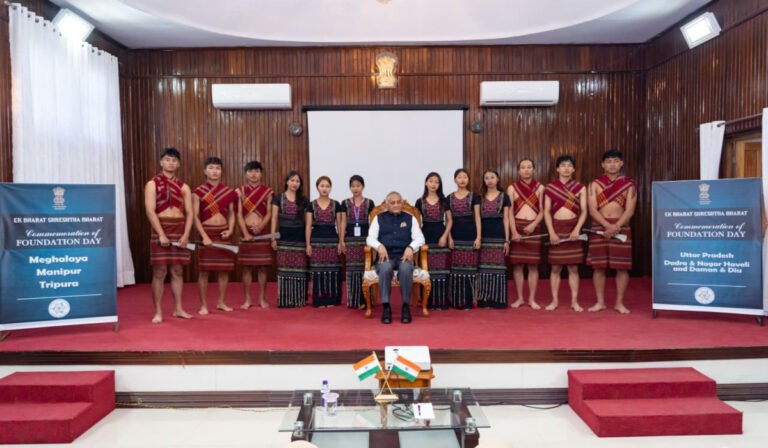
AIZAWL: Lok Bhavan in Aizawl hosted a special programme to commemorate the foundation days of Manipur, Meghalaya, Tripura, Uttar Pradesh, and the Union Territory of Dadra and Nagar Haveli and Daman and Diu, celebrating India’s unity in diversity under the spirit of national integration.

Our correspondent reports that the event was held at the Durbar Hall of Lok Bhavan and was led by Mizoram Governor General (Dr) Vijay Kumar Singh (Retd). Addressing the gathering, the Governor underscored the importance of cultural exchange and mutual understanding among states and Union Territories, noting that such observances strengthen bonds of unity while honouring distinct regional identities.

The Governor said the initiative reflects the broader national vision of fostering harmony by encouraging citizens to learn about the culture, history and traditions of regions beyond their own. He observed that India’s diversity—spanning languages, customs and heritage—remains a source of strength, and that dialogue and shared experiences help deepen fraternity among people from different parts of the country.

The programme featured video messages from Governors of the participating states, highlighting the unique heritage, achievements and cultural contributions of their respective regions. These messages provided attendees with insights into the historical journeys and contemporary progress of Manipur, Meghalaya, Tripura and Uttar Pradesh.

Cultural presentations added vibrancy to the celebrations. Students from local institutions performed dances and musical pieces reflecting the traditions of the commemorated regions. Academicians also delivered brief talks on the history and cultural evolution of Manipur and Tripura, offering context to the audience about their foundation and development.

Our correspondent adds that the programme also highlighted the historical significance of the foundation days being observed. Manipur, Meghalaya and Tripura attained statehood on 21 January 1972 under the North-Eastern Areas (Reorganisation) Act, 1971. Uttar Pradesh was formally recognised as a state on 24 January 1950, following India’s transition to a republic. The Union Territory of Dadra and Nagar Haveli and Daman and Diu came into existence in its present form on 26 January 2020, after the merger of two erstwhile Union Territories.

Officials associated with the event said such celebrations are designed to be both educational and participatory, creating awareness about the nation’s federal structure and shared values. The Lok Bhavan programme forms part of a continuing series of foundation day observances in Mizoram, aimed at promoting cultural exchange and national cohesion.

The observance concluded with participants expressing appreciation for the opportunity to engage with the diverse traditions represented at the event. Organisers said similar programmes will continue to be held to strengthen people-to-people connections and reinforce the ideals of unity, respect and mutual understanding across India.

Court Rejects Bail for Three Accused in Singer Zubeen Garg’s Death Case

GUWAHATI: The Kamrup Metropolitan District and Sessions Court has turned down bail applications filed by three individuals accused in connection with the high-profile death case of renowned singer Zubeen Garg, legal sources said on Wednesday. The court’s decision means the three remain in custody as the investigation and trial proceedings continue.

According to court officials, the bail pleas of the three accused were considered after they had spent a period in judicial custody. However, the magistrate examining the case concluded that the gravity of the alleged offences and the ongoing nature of the probe did not justify their release at this stage.

The accused, whose identities were presented during the bail hearing, are facing serious charges in connection with the death of the acclaimed artist. The singer’s death earlier this year triggered widespread public interest and led to extensive inquiries by law enforcement authorities.

Our correspondent reports that during the hearing, the prosecution opposed the bail requests, arguing that releasing the accused could impede the investigation and put pressure on potential witnesses. Prosecutors also cited the serious nature of the charges, which include allegations of conspiracy, and emphasised the need for custodial interrogation to establish facts.

The court, in its order, noted that the investigation was still at a crucial point and relevant evidence was being gathered. In refusing bail, the magistrate said there was a strong prima facie case against the accused and that their continuance in custody was necessary to prevent tampering with evidence and to maintain the integrity of the process.

Legal experts said the rejection of bail at this stage is not unusual given the seriousness of the allegations and the public profile of the case. “In matters involving violent or conspiratorial charges, courts are often cautious in granting bail until the investigation reaches a stage where the risk of interference with witnesses or evidence is minimised,” one senior lawyer explained.

Our correspondent adds that the defence had argued for bail on humanitarian grounds, claiming that prolonged incarceration without formal charges being filed in court was unfair. They cited constitutional protections and previous precedents where courts had granted bail in similar circumstances. However, the magistrate was unconvinced that these factors outweighed the need for continued custodial supervision.

The development comes as the case continues to dominate headlines and public discourse in Assam and beyond. Zubeen Garg, a celebrated musician with a large following across the Northeast and wider India, died under circumstances that raised significant legal and social questions, prompting both police and political attention.

Following the court’s ruling, family members of the singer’s supporters expressed mixed reactions. Some welcomed the decision, saying that it would allow the investigation to proceed without obstruction, while others reiterated calls for a swift and transparent legal process.

Police officials handling the case said they would continue to press ahead with their inquiry and produce additional evidence to the court as required. They added that a thorough collection of forensic and testimonial data was ongoing, and more developments could emerge as the case progresses through the judicial system.

Observers noted that the refusal of bail does not constitute a conviction, but reflects the court’s assessment of risk and investigation status at the present moment. The matter is expected to return to court as both sides prepare for the next stages of hearings, which may include arguments on evidence admissibility and eventually trial.

For the accused, remaining in custody may mean continued interrogation and legal preparation by their defence teams. For public supporters of Zubeen Garg, the court’s decision has, for now, signalled that the judicial process remains fully engaged with the matter.