





Assam Govt Signs MoA with Tata-Nelco to Transform Skill Education with Hub-and-Spoke Model

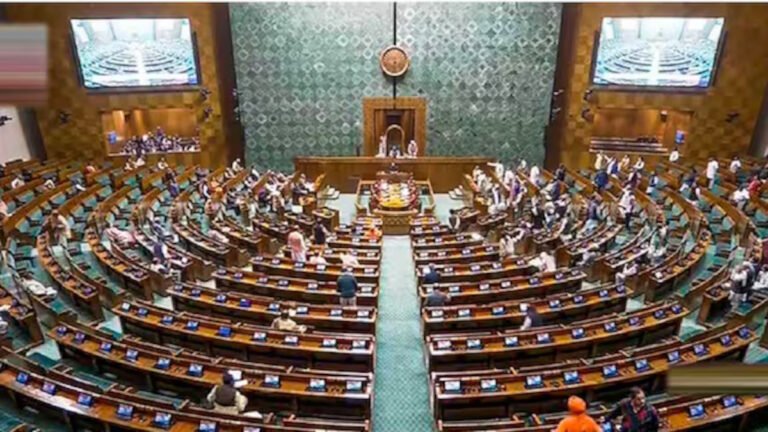
Samagra Shiksha Axom, representing Assam’s Department of School Education, entered into a memorandum of agreement with Tata-Nelco on Thursday to revolutionize skill education across the state. The agreement introduces a hub-and-spoke model, aiming to connect advanced central hub schools with smaller spoke centers in remote and rural areas using satellite-based technology for expert course delivery.

This initiative kicks off with 10 hub schools and 70 spoke schools in the first phase, offering training to students from Class IX to XII across a spectrum of ten futuristic trades, including AI, robotics, green energy, and digital services. Each spoke school will concentrate on two trades, supported by two skilled trainers. The innovative model seeks to overcome geographical barriers by enabling real-time knowledge sharing and access to quality vocational instruction.

In a significant boost to educational infrastructure, the funding model involves a 75:25 partnership, with Tata-Nelco providing 75 percent of the resources and the state government — under its Annual Work Plan and Budget as part of Samagra Shiksha — covering the remaining 25 percent.

The Assam Education Minister, while announcing the partnership, linked this transformative education strategy to the state’s broader developmental goals established under the Advantage Assam 2.0 summit. The ultimate aim is to ensure rural and underserved students are equipped with industry-relevant skills that enhance job readiness and open pathways to employment within the state.

With Tata-Nelco bringing digital infrastructure and satellite communication into the mix, the project is poised to elevate Assam’s vocational training standards dramatically.
Itanagar’s Donyi Polo Airport Unveils New Terminal, Boosting Arunachal’s Air Connectivity

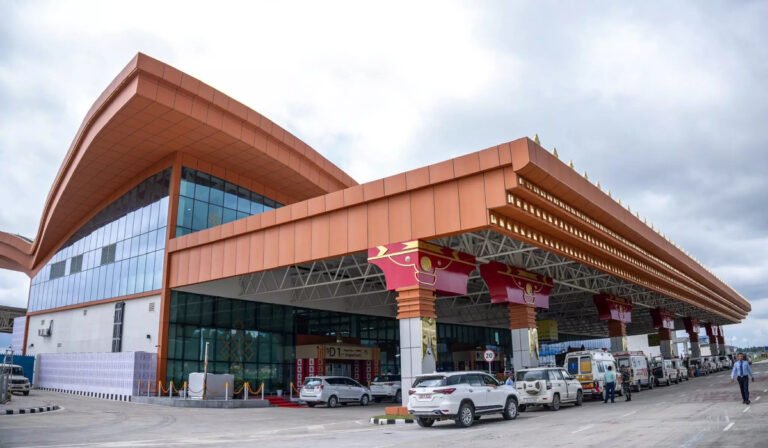
Arunachal Pradesh is set to witness a significant boost in air travel with the inauguration of a new terminal at the Donyi Polo Airport in Hollongi. Union Civil Aviation Minister Kinjarapu Rammohan Naidu inaugurated the facility on Thursday, highlighting the Central government’s focus on enhancing connectivity in the Northeast.

The new terminal dramatically increases the airport’s capacity, with a pre-covered area capable of handling 800 passengers, a substantial upgrade from the previous temporary facility’s capacity of just 150. This expansion is expected to accommodate up to 1.5 million passengers annually.

Starting September 17, Donyi Polo Airport will have daily flights to Delhi, a significant increase from the current four-day-a-week schedule. Minister Naidu stated that discussions are underway to introduce more daily flights to other major cities and to develop heliports across the state, further improving regional links.

The expansion is part of the renewed UDAN (Ude Desh ka Aam Nagrik) scheme, which has been extended for another decade with a special emphasis on the Northeast, hilly states, and aspirational districts. The scheme aims to make air travel more accessible by supporting airlines on previously unviable routes.

In addition to the infrastructure upgrade, the airport has launched several passenger-centric initiatives to enhance the travel experience. These include the UDAN Yatri Cafe for affordable food and beverages, a library, the AVASAR platform for local artisans and women’s self-help groups to sell their products, and a new kids’ store. The government also plans to provide free Wi-Fi and more charging stations for travelers.

The Donyi Polo Airport, which began operations in 2022, is part of a broader network of airports being developed in Arunachal Pradesh, including facilities at Pasighat, Tezu, and Ziro. At present, the airport connects Itanagar with Guwahati, Kolkata, and Tezu.

Congress Accuses Centre of “Dumping Ground” Politics with CAA Cut-off Extension in Assam

The Assam Pradesh Congress Committee (APCC) has launched a scathing attack on the Central government, condemning a recent Gazette Notification that extends the cut-off date for citizenship eligibility under the Citizenship Amendment Act (CAA). The party has branded the move a “blatant vote-bank strategy” by the Bharatiya Janata Party (BJP), accusing the Centre of opening a new pathway for illegal immigrants to gain citizenship in Assam.

Speaking at a press conference in Guwahati, senior Congress leader Ripun Bora stated that the new order effectively extends the original December 31, 2014, cut-off date to December 31, 2024, for non-Muslim migrants from Afghanistan, Pakistan, and Bangladesh. “This proves that infiltration into India, particularly Assam, is still continuing,” Bora asserted. “If foreigners can break the law and yet be forgiven, it only reflects the mindset adopted by the BJP. Has Assam become a dumping ground for the BJP?” he demanded, calling for an explanation from Prime Minister Narendra Modi, Union Home Minister Amit Shah, and Chief Minister Himanta Biswa Sarma.

The Congress leadership argued that while the Centre claims the law applies nationwide, its most severe impact will be felt in Assam, where the influx of illegal immigrants is a long-standing and sensitive issue. The party alleges that the BJP is intentionally keeping the issue of illegal immigration alive for political gain and has no genuine desire to stop it.

Bora contrasted the current situation with the Congress’s past governance, claiming that no such “wave of infiltration” occurred during their tenure. He challenged the BJP to explain who is currently allowing foreigners to enter the country.

The APCC has called on the Assam government to reject the notification and inform the Centre that the order will not be implemented in the state. The party also criticized the state government for its perceived silence on the matter, pointing out that Mizoram and Meghalaya have already refused to implement the CAA.

The Congress further contended that the incomplete state of the National Register of Citizens (NRC) is a deliberate ploy to accommodate new foreigners. Leader of the Opposition Debabrata Saikia termed the new notification a “second version of CAA,” arguing that it grants illegal entrants the same benefits as legitimate citizens and effectively nullifies the safeguards provided by the Assam Accord.

Highlighting Assam’s unique burden of managing the NRC, Foreigners’ Tribunals, and Sixth Schedule provisions, Bora concluded by stating, “Congress once provided these safeguards to protect Assam from infiltrators. Now the BJP is dismantling them and pushing the state toward destruction.” In a final appeal to the public, the party urged the people of Assam to reject the BJP in the upcoming 2026 Assembly elections.

PM Modi to Inaugurate India’s First Bamboo Bio-Refinery at NRL on September 14

Prime Minister Narendra Modi is set to inaugurate India’s first bio-refinery at Numaligarh Refinery in Assam’s Golaghat district on September 14. This landmark initiative, built with a substantial investment of ₹7,200 crore, represents a significant stride toward a sustainable energy future.

The refinery is poised to be a game-changer, producing 50,000 tonnes of ethanol annually from 500,000 tonnes of bamboo. This endeavor is not only an environmental win but also a major economic boost for the region. The project will reduce India’s reliance on imported crude oil and significantly lower carbon emissions by nearly 80% compared to traditional petrol.

Beyond its primary product of ethanol, the facility will also yield valuable by-products, including 18,000 tonnes of furfural and 11,000 tonnes of acetic acid. The refinery has been designed to be carbon-negative, with residual waste generating 25 megawatts of green power.

The project is also a boon for the local community, as it is expected to benefit approximately 3,000 local farmers in Assam. The refinery will directly source bamboo from them, with an estimated annual transaction value of around ₹200 crore. Set to become operational in December, this bio-refinery is a symbol of innovation and a sustainable future for the region.

Manipur Peace Pact: New Accord Reaffirms Territorial Unity Amidst Ethnic Tensions

In a significant development for the fragile peace in Manipur, a new and pivotal accord has been formalized in New Delhi, extending a truce and, for the first time, explicitly enshrining a commitment to the state’s unity. This landmark agreement, signed by representatives of the Indian government, the Manipur state administration, and key Kuki-Zo armed groups, marks a crucial step in a long and complex peace process aimed at resolving deep-seated ethnic and political tensions.

The pact, formally known as a Suspension of Operations (SoO) agreement, has been a cornerstone of de-escalation for years. However, this latest iteration introduces a critical new provision. It contains an explicit clause that guarantees the preservation of Manipur’s territorial integrity. This addition is seen as a direct response to the recent cycles of violence and the demands from various communities to protect the state’s geographical and political boundaries.

For a region long plagued by ethnic strife and conflicting aspirations, the new agreement is a beacon of hope. For decades, the peace process with the Kuki-Zo groups has progressed incrementally, but the recent unrest has underscored the urgent need for a more comprehensive and reassuring framework. By including a clear commitment to state integrity, the central and state governments are sending a powerful message of reassurance to all communities that their concerns are being heard and that a peaceful resolution will not come at the cost of the state’s foundational unity.

The path ahead remains challenging, and this accord is but one milestone. However, it represents a mutual willingness to engage in dialogue and find common ground on the most sensitive of issues. While the immediate objective is to maintain a ceasefire and foster trust, the long-term goal is to build a lasting peace that addresses the aspirations of all communities within the framework of a single, unified Manipur. The success of this new pact will be measured not just by the absence of conflict, but by its ability to lay the groundwork for a more inclusive and stable future for everyone in the region.

Reviving the Rice: The Apatani Way of Sustainable Farming

In the fertile Apatani valley of Arunachal Pradesh lies a secret to sustainable agriculture, passed down through generations. While most of the world relies on chemical fertilizers and pesticides for high-yield farming, the Apatani tribe has perfected an ingenious system of wet rice cultivation that’s been sustaining their community for centuries without any external inputs. This traditional method is a testament to the fact that eco-friendly farming is not a modern concept but a practice deeply embedded in the cultural fabric of Northeast India.

The Wisdom of Water and Land

The Apatanis’ farming method is more than just growing rice; it’s an intricate ecological system. Their farms are a mix of rice paddies and fish ponds, creating a self-sustaining ecosystem. They build intricate networks of channels to divert water from streams and rivers, ensuring a steady supply for their terraced fields. The secret to their success lies in integrating agriculture with natural resources. The Apatanis cleverly use bamboo and other local materials to construct their fields, preventing soil erosion and making the most of the hilly terrain.

The most fascinating aspect of their method is the absence of chemical fertilizers. Instead, they rely on a technique called intercropping, where fish and rice are grown together. The fish manure naturally fertilizes the rice paddies, and in turn, the rice plants provide shade and protection for the fish. This symbiotic relationship not only eliminates the need for artificial fertilizers but also provides the community with a valuable source of protein.

Preserving Heirloom Varieties

While modern agriculture has focused on a few high-yielding rice varieties, the Apatanis have preserved a rich diversity of heirloom rice varieties, each with its own unique flavor and resilience. Varieties like Emon, known for its aroma, and Mipyin, a short-duration rice, are a part of their heritage. These traditional varieties are often more resistant to local pests and diseases, and their cultivation ensures a stable food source for the community.

The preservation of these varieties is crucial not just for food security but also for safeguarding the community’s cultural identity. Many of their festivals and rituals are centered around the planting and harvesting of these crops, making the continuation of this farming method a vital part of their existence.

The Apatani system is a powerful example of how ancient knowledge can provide sustainable solutions to modern problems. As the world seeks greener alternatives to food production, this tribe’s traditional farming methods offer a compelling blueprint for a future where agriculture coexists with nature. It’s a living heritage that proves sustainability is not a new invention but a time-honored tradition.

GST Council introduces two-tier tax structure, slashing rates on essentials, boosting businesses

The 56th GST Council meeting, chaired by Finance Minister Nirmala Sitharaman, has approved sweeping reforms aimed at simplifying the indirect tax structure, boosting consumption, and providing relief to both households and businesses.

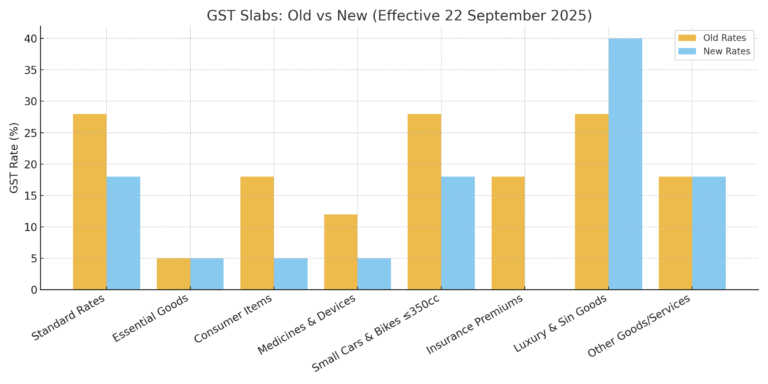
The Council has decided to slash the number of GST slabs from four to just two standard rates – 5% and 18%. This new structure will come into effect from September 22nd, 2025.

A special 40% “sin and luxury rate” has also been introduced for tobacco, cigarettes, pan masala, carbonated drinks, and high-end luxury goods, ensuring that essential and common-use items remain affordable while luxury consumption bears a higher tax burden.

The Council has moved hundreds of items into lower tax brackets. Everyday products such as hair oil, soaps, noodles, bicycles, utensils, essential medicines, and medical devices will now be taxed at 5%. Basic foods like UHT milk, paneer, and rotis will be exempted from GST altogether.

The Council also decided to reduce the tax on small cars and motorcycles up to 350cc from 28% to 18%, giving a significant push to the auto industry and benefiting middle-class families.

In a major relief to households, life and health insurance premiums have been exempted from GST, making policies more affordable for millions of citizens.

To ease compliance, the Council announced that MSME registrations will now be processed within just three days. Exporters will benefit from an automatic refund system designed to ensure faster liquidity and fewer delays in the refund cycle.

These reforms are expected to not only ease the burden on small and medium businesses but also stimulate demand in key sectors of the economy.

Another major decision was the move to operationalise the GST Appellate Tribunal (GSTAT) by December 2025. The tribunal will serve as a dedicated platform for addressing disputes, appeals, and compliance issues, reducing litigation burden on courts and strengthening trust in the GST framework.

The Finance Minister underlined that the changes are not merely about “tariff tinkering” but represent a structural reform of India’s GST regime. By creating a simpler, consumer-friendly tax system, the government aims to spur consumption, enhance compliance, and strengthen economic growth.

Uttarakhand Introduces Bill to Dissolve Madrasa Board, Extend Minority Education Benefits Beyond Muslims

0

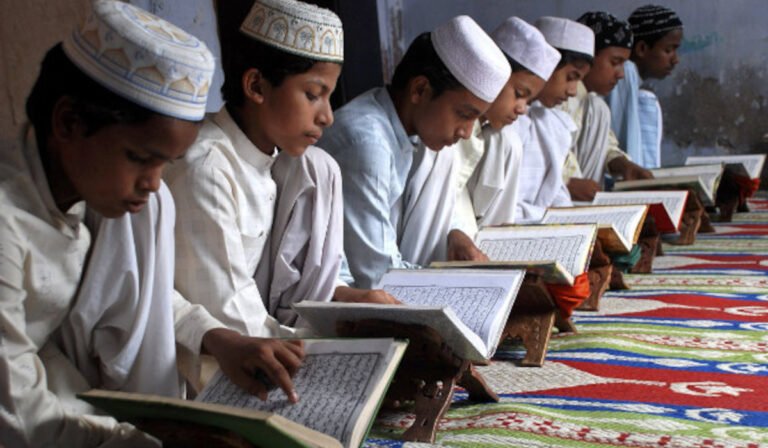
The Uttarakhand government has introduced the Minority Educational Institutions Bill, 2025, which seeks to abolish the existing Madrasa Education Board and extend state educational benefits to minority communities beyond Muslims. The move is being positioned as a step toward inclusivity, but it has already sparked debate over its wider political and constitutional implications.

Key Provisions of the Bill

According to officials, the Bill proposes:

  • Dissolution of the current Madrasa Board, which exclusively governed Muslim minority institutions.

  • Formation of a new Minority Education Authority, tasked with overseeing schools and colleges belonging to all minority groups, including Christians, Sikhs, Buddhists, and Parsis.

  • Extension of financial assistance, infrastructure support, and recognition benefits uniformly across minority-run institutions.

  • Ensuring accountability and transparency through a modernised regulatory framework.

Government’s Position

State Education Minister stated that the Bill is aimed at “ending discrimination within minority education policies” and ensuring all recognised minorities receive equal treatment. He emphasised that while madrasas would continue to function, they would now fall under the broader framework rather than having a separate board.

“The objective is fairness. All minority communities must benefit from the same schemes. This is about providing equal opportunities, not exclusion,” he said.

Political and Social Reactions

The move has triggered mixed responses. Supporters argue that it corrects an imbalance where only one community had a dedicated board, while others were left out. Critics, however, view the dissolution of the Madrasa Board as an attempt to weaken traditional Islamic educational structures.

Opposition parties have demanded clarity on how madrasas will be regulated under the new framework and whether their cultural autonomy will remain intact. Civil rights groups have also raised concerns about the Bill’s compatibility with Articles 26 and 30 of the Constitution, which guarantee minorities the right to manage their own educational institutions.

Broader Context

Uttarakhand has around 1,800 registered madrasas, many of which depend on state recognition for funding and certification. By bringing these institutions under a common umbrella authority, the government hopes to streamline oversight and improve educational standards.

At the same time, the reform signals the state’s attempt to balance cultural identity with broader policy goals, particularly in a region where minority populations, though small, play a significant role in educational and social sectors.

The introduction of the Minority Educational Institutions Bill, 2025 marks a bold policy shift in Uttarakhand’s education landscape. While the government frames it as a step toward inclusivity and equal opportunity, its success will depend on how effectively it safeguards cultural rights while enforcing a uniform regulatory structure.

Bihar Identifies 6.5 Million Missing Voters in Draft Electoral Roll Revision

0

In a startling revelation, the Bihar Election Commission has identified nearly 6.5 million missing names during its special revision of electoral rolls. The discovery comes after the Supreme Court’s directive earlier this year, which ordered states to conduct thorough checks to ensure voter inclusivity and accuracy ahead of upcoming elections.

Supreme Court’s Intervention

The apex court, responding to petitions on large-scale irregularities in voter lists across multiple states, had mandated a comprehensive verification drive. Bihar’s findings now stand out as one of the largest reported cases of voter exclusion in recent years, raising concerns about systemic flaws in electoral record management.

Scale of Exclusion

According to officials, the missing names were spread across several districts, cutting across urban and rural constituencies. Many of the affected voters reportedly included migrant workers, first-time voters, and individuals from marginalised communities. Authorities stressed that these discrepancies may have stemmed from outdated records, poor migration tracking, and clerical errors during past revisions.

Corrective Measures Underway

Election authorities have assured that the missing names will be re-examined and corrected before final rolls are published. Booth-level officers have been directed to conduct door-to-door verification drives, while grievance counters are being set up in district offices to help affected citizens re-register.

A senior official noted, “Our priority is to ensure that no eligible voter is left out. The revised lists are being cross-checked with Aadhaar and ration card databases to eliminate duplication while restoring genuine entries.”

Political and Public Reactions

Opposition parties have seized upon the development, alleging negligence and raising fears of deliberate disenfranchisement. The ruling coalition in the state, however, has emphasised that the correction exercise demonstrates transparency and a commitment to fair elections. Civil society groups have also urged authorities to take urgent steps to protect voter rights, especially in regions with historically low turnout.

The revelation of 6.5 million missing voters in Bihar has once again spotlighted the challenges of maintaining accurate electoral rolls in a vast and mobile democracy like India. As corrective steps gather pace, the outcome of the revision exercise will be critical in shaping public trust in the electoral process ahead of the next polls.

Parliament Passes National Sports Governance Act to Reform India’s Sporting Framework

0

In a landmark step for Indian sports, Parliament has passed the National Sports Governance Act, 2025, introducing a comprehensive framework aimed at ensuring transparency, accountability, and athlete welfare across the country’s sporting bodies. The legislation is being hailed as one of the most significant reforms in India’s sports administration in decades.

Key Features of the Act

The Act establishes clear guidelines for the functioning of national sports federations and associations. It mandates:

  • Transparency in elections of sporting bodies, with limits on tenure for office bearers.

  • Athlete representation in decision-making committees to safeguard player interests.

  • Financial accountability, with annual audits and stricter oversight on sponsorship deals.

  • Dispute resolution mechanisms, allowing grievances to be settled quickly through an independent tribunal.

Officials believe these measures will curb long-standing problems of nepotism, mismanagement, and corruption in sports governance.

Focus on Athlete Welfare

The Act places special emphasis on athlete rights and welfare, making it mandatory for federations to provide proper contracts, insurance cover, and safeguards against harassment. This marks a significant shift from a system where players often had limited say in organisational matters.

Government’s Position

Union Sports Minister welcomed the passage of the bill, calling it a “turning point in Indian sports administration.” He stressed that the reforms will align Indian sports governance with global best practices, thereby improving India’s standing in international competitions.

“The future of Indian sports rests not only on the talent of our athletes but also on the fairness and efficiency of our systems. This Act ensures that our governance is worthy of our players’ aspirations,” he said.

Reactions from Sporting Community

Athletes and experts have reacted positively to the move. Several former Olympians described the Act as long overdue, noting that India’s growing international sporting ambitions—particularly its aim to host the 2036 Olympics—require robust institutional reforms. Sports associations, while welcoming the bill, have asked for clarity on funding provisions and transition timelines.

Conclusion

With the passage of the National Sports Governance Act, 2025, India has taken a decisive step toward professionalising and modernising its sports administration. The real test will lie in its implementation, but stakeholders believe the framework can create a more athlete-friendly and transparent ecosystem in the years ahead.