


U.S. Cancels Scheduled Trade Talks with India as Tariff Dispute Escalates

0

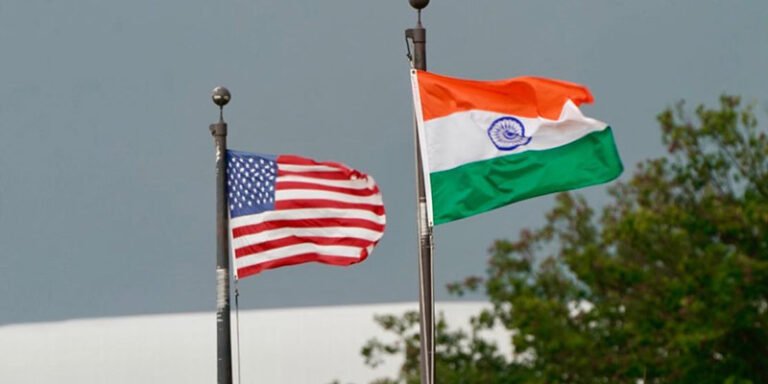
The United States has abruptly cancelled its planned bilateral trade negotiations with India, which were scheduled to take place in New Delhi later this month. The decision comes just days before Washington is set to impose new tariffs—potentially as high as 50%—on key Indian exports from August 27th, escalating trade friction between the two nations.

A Blow to Trade Diplomacy

The trade talks were expected to address long-standing concerns on both sides, including India’s import duties, intellectual property regulations, agricultural market access, and U.S. restrictions on Indian pharmaceuticals and IT services. With the cancellation, progress on these critical issues now faces uncertainty.

Officials in New Delhi expressed disappointment, noting that India had prepared proposals to ease market barriers in certain sectors as a goodwill gesture. Analysts warn that the collapse of negotiations may widen the rift between the two democracies at a time when global trade tensions are already high.

Tariffs Looming on Indian Goods

The proposed U.S. tariffs—reportedly targeting textiles, leather products, engineering goods, and some agricultural items—are seen as part of Washington’s strategy to reduce its trade deficit with India. These measures could significantly hurt Indian exporters, especially small and medium enterprises that rely heavily on U.S. markets.

Trade bodies in India have cautioned that the duties may force businesses to either absorb higher costs or lose competitiveness abroad. With the festive season approaching, exporters worry about cancelled orders and shrinking margins.

India’s Possible Response

While New Delhi has not yet announced a retaliatory move, government officials have hinted at exploring reciprocal tariff measures and raising the issue at the World Trade Organization (WTO). At the same time, India is expected to lean on its domestic consumption—bolstered by the recently announced GST rate cuts—to cushion any export losses.

Wider Implications

The breakdown in talks also carries geopolitical undertones. India and the U.S. have been strengthening their strategic partnership in defence and technology, but recurring trade disputes remain a thorn in the relationship. Experts believe that the current escalation, if unresolved, could cast a shadow on broader cooperation.

Conclusion

The U.S. cancellation of trade talks, combined with looming tariffs, marks one of the sharpest downturns in Indo-U.S. trade relations in recent years. As both sides weigh their options, the coming weeks will be crucial in determining whether diplomacy can avert a full-blown trade confrontation.
PM Modi Announces Major GST Overhaul to Boost Consumption and Market Confidence

0

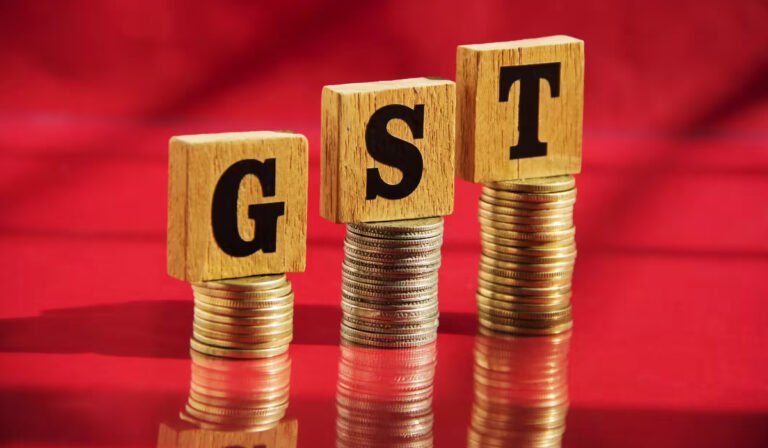
Prime Minister Narendra Modi has unveiled a sweeping reform of the Goods and Services Tax (GST), announcing significant rate cuts on essential commodities and consumer electronics. The move, which could reduce government revenues by nearly $20 billion annually, is aimed at stimulating domestic consumption, boosting market confidence, and countering economic headwinds from rising global trade tensions with the United States.

GST Rate Cuts Announced

Under the revised structure, GST rates on a range of everyday essentials, including household goods and food items, have been slashed to provide relief to ordinary consumers. Additionally, certain categories of electronics and appliances are expected to become cheaper, a measure designed to stimulate demand in India’s slowing consumer durables sector.

The reforms, which come eight years after the GST was first implemented in 2017, are being hailed as one of the most comprehensive revisions to the tax regime since its inception.

Balancing Fiscal Costs and Growth

While the cuts are expected to put short-term pressure on government finances, the Prime Minister emphasised that the long-term benefits outweigh the risks. Economists estimate the revenue loss could touch $20 billion annually, but the government believes increased consumption will expand the tax base and generate higher indirect revenues in the medium term.

“The government is ready to absorb the fiscal impact in the short run, as our priority is to put more money in the hands of ordinary citizens and boost domestic demand,” a senior finance ministry official said.

Strategic Context: U.S. Trade Tensions

The announcement comes at a time when India is facing renewed trade friction with the United States, which recently cancelled bilateral trade talks and hinted at imposing tariffs of up to 50% on Indian goods. Analysts view the GST overhaul as part of a strategy to strengthen the domestic market, reduce dependence on volatile exports, and demonstrate resilience in the face of global challenges.

Industry and Market Reaction

India Inc. has broadly welcomed the reforms. Retail associations and consumer goods companies say the cuts will make products more affordable, potentially reviving sales in sectors that have seen sluggish growth. Electronics manufacturers are also hopeful that lower taxes will drive higher demand ahead of the festive season.

Stock markets responded positively, with consumer goods and electronics stocks seeing a sharp rise in early trading following the announcement.

Broader Economic Impact

According to preliminary estimates, the GST overhaul could raise India’s GDP growth by 0.6 percentage points in the current financial year. Experts note that while fiscal discipline may be tested, the reforms underline the government’s willingness to prioritise growth, consumer confidence, and long-term economic health.

Conclusion

With the new GST rates expected to come into effect shortly, the Modi government has signalled its intent to empower consumers, stimulate demand, and shield India’s economy from external shocks. As trade tensions escalate globally, the reform could prove to be a defining step in ensuring India’s economic resilience.

NDA Names CP Radhakrishnan as Vice-Presidential Candidate; DMK Faces Crucial Political Choice

0

The BJP-led National Democratic Alliance (NDA) has announced Maharashtra Governor CP Radhakrishnan as its nominee for the Vice-Presidential election scheduled for September 9th. The move not only positions a veteran politician with deep organisational roots but also places Tamil Nadu’s ruling party, the DMK, in an awkward spot.

A Non-Controversial Pick from Tamil Nadu

Radhakrishnan, who hails from Tiruppur in Tamil Nadu, is regarded as a soft-spoken, consensus-building leader with decades of experience in both parliamentary and party politics. A two-time Member of Parliament from Coimbatore, he has also served as the state BJP president and is seen as a figure who maintains cordial relations across the political spectrum. His elevation to the Vice-Presidential race underscores the NDA’s intention to expand its influence in southern India, particularly in Tamil Nadu and Kerala, where the BJP has traditionally struggled for electoral foothold.

DMK’s Political Dilemma

The nomination has put the DMK in a politically sensitive position. On one hand, the party has consistently opposed the BJP and aligned itself with the broader INDIA opposition bloc, which is expected to field a common candidate against the NDA’s choice. On the other, Radhakrishnan is a Tamil leader with a largely clean and non-controversial public image. Any outright rejection of his candidacy may be portrayed by rivals as the DMK turning its back on a son of the soil.

Political analysts suggest that while the DMK is unlikely to break ranks with the opposition, the optics of opposing a Tamil candidate backed by the ruling alliance could become a talking point in state politics. The decision will test the DMK’s balancing act between ideological commitment to federal opposition unity and regional pride in supporting a Tamil leader at the national level.

Signals from the NDA

By putting forward Radhakrishnan, the BJP has sent a multi-layered political signal. The choice reinforces the party’s outreach in the South, assures its cadre of ideological continuity, and projects the NDA as accommodating leaders from diverse regions. The nomination also avoids the pitfalls of controversy, as Radhakrishnan’s record has largely been free from divisive rhetoric.

What Next?

The opposition INDIA bloc is scheduled to meet on Monday to decide its Vice-Presidential nominee. While the election numbers favour the NDA, the coming weeks will reveal how much symbolic weight the contest carries, particularly in shaping narratives around regional representation and national unity.

Assam CM Announces IIM Guwahati to Start Functioning This Year

Assam Chief Minister Himanta Biswa Sarma announced that the newly approved Indian Institute of Management (IIM) in Guwahati is likely to begin functioning this year. The central government has sanctioned the establishment of the IIM, which will be the 22nd in the country and the second in the Northeast after IIM Shillong.

During a press conference, the Chief Minister confirmed that IIM Ahmedabad will mentor the new institute until it becomes self-sufficient. He added that the state government has decided to allot a temporary campus to enable the IIM to start its academic activities this year while its permanent campus is being built.

Sarma described the establishment of IIM Guwahati as the fulfilment of a long-standing demand of the people of Assam. He said the state now has all of the country’s flagship educational institutions, including an IIT, AIIMS, and a National Law University, and that efforts are also underway to establish a National Forensic Science University.

Keywords: 

Trump Says Tariffs on India are a ‘Big Blow’ to Russia’s Economy

0

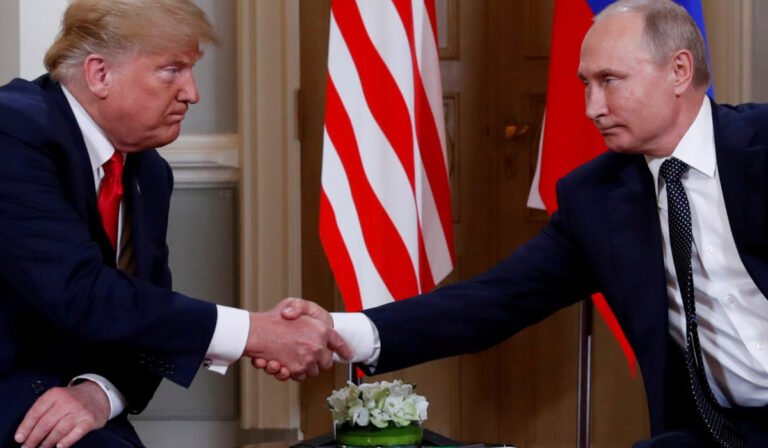
During a recent press conference at the White House, US President Donald Trump claimed that his administration’s tariffs on Indian goods, imposed in response to New Delhi’s continued purchase of Russian oil, have had a significant impact on Russia’s economy.

Referring to India as Russia’s “largest or second-largest oil buyer,” the president stated that Russia’s economy is currently “not doing well” and that penalising a major trading partner with a 50% tariff has dealt a “big blow” to Moscow. The remarks come ahead of a planned summit with Russian President Vladimir Putin in Alaska on 15th August (Friday), where a peace deal for the Ukraine conflict is expected to be a primary topic.The Indian government has publicly described the US tariffs as “unjustified and unreasonable,” reiterating that its oil imports are driven by national energy security needs. The Kremlin has also responded to the pressure by stating that sovereign nations have the right to choose their own trading partners.

US & China Agree To Extend Trade Truce Until November 10

0
The US and China have agreed to extend their trade truce until November 10, just hours before new tariffs were set to take effect on August 11 (Monday). In a joint statement, both countries said they will pause the planned tariff increases for another 90 days.
The US will delay raising tariffs to 145 percent on Chinese goods, while China will hold off on 125 percent tariffs on US goods. Instead, current tariffs will remain 30 percent on Chinese imports to the US and 10 percent on American exports to China.
US President Donald Trump signed an executive order yesterday to extend the truce, giving both sides more time to continue negotiations on trade imbalances, unfair practices, market access, and national security concerns. The US highlighted a 300 billion US dollar trade deficit with China in 2024, the largest with any country. Talks also cover issues like China’s purchase of Russian oil, access to rare earth minerals, and US restrictions on tech exports.

Assam Speeding Up Preparation for Special Intensive Electoral Roll Overhaul

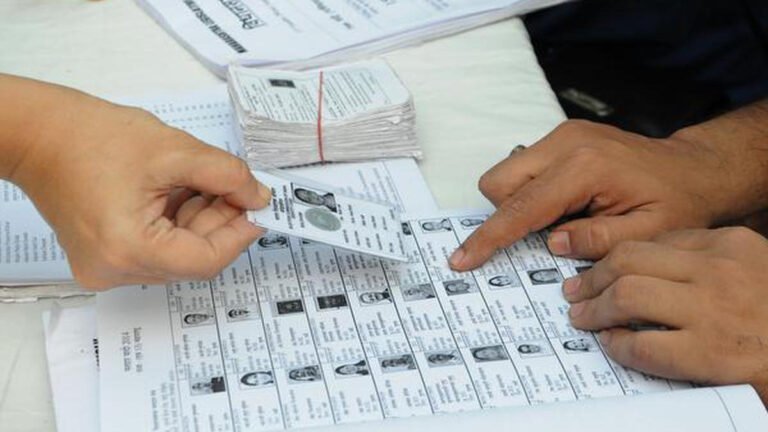
The Assam Chief Electoral Officer has issued a high-priority directive to all district officials to prepare for the Special Intensive Revision (SIR) of electoral rolls. This move comes ahead of an official schedule from the Election Commission, expected within the next 15 to 20 days.

Chief Minister Himanta Biswa Sarma has been a strong proponent of the SIR, stating that it is essential to cleanse the voter lists of alleged illegal entries and the names of deceased people. He has argued that an overhaul is necessary to weed out illegal immigrants and ensure the integrity of the voting process. Booth-level officers (BLOs) are being trained to collect necessary documents from new voters and verify the eligibility of existing ones.

This administrative push coincides with a national political controversy surrounding the SIR process, particularly in Bihar. Opposition parties, including the INDIA bloc, have expressed concerns that the exercise could be used to politically motivatedly purge voter rolls and disenfranchise vulnerable communities, particularly minorities who may lack proper documentation.

Assam Police Arrests Cyber Fraud Mastermind from Kolkata; Used Fake IDs to Secure Loans

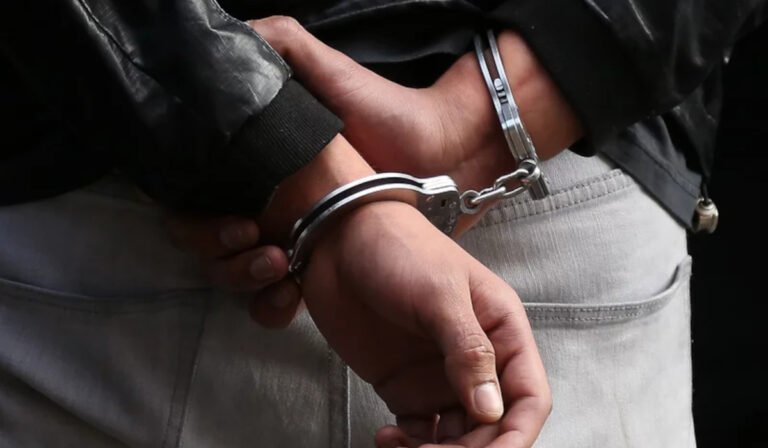
Assam Police, in a joint operation with Kolkata Police, have arrested a notorious cyber fraudster from a guest house in Kolkata’s New Market area. The accused, identified as Shoriful Islam from Morigaon district, was on the run for over two and a half years.

According to police, Islam was the mastermind behind a large-scale cyber fraud operation that targeted various financial institutions. He is accused of illegally obtaining loans worth at least ₹1 crore by using fake Aadhaar cards and mobile phone SIM cards, often linked to the PAN card numbers of other individuals. Police officials said that Islam’s fraud involved a sophisticated method of identity theft and that he had been hiding in multiple states, and may have even travelled abroad to Bangladesh and Thailand.

Islam was brought to Assam on a transit remand and remanded to police custody for further investigation. Four cases have been registered against him in Morigaon.

Two Arrested in Guwahati with Massive Haul of Stolen Electrical Goods

Dispur Police, in a coordinated operation with Boko Police, have arrested two men and recovered a large consignment of stolen electrical goods. The accused, identified as Anser Ali and Mahidul Islam, were apprehended in connection with a recent theft case.

The police operation led to the seizure of over 500 bundles of branded electrical cables and wires from various companies, including Finolex, Havells, and Polycab. Other stolen items, such as copper wires, speaker cables, halogen lights, and other accessories, were also recovered. The police also impounded the truck that was used in the crime.

Legal proceedings have been initiated against the arrested individuals, and further investigation into the theft racket is underway.

Gauhati High Court Stays Eviction in Four Guwahati Villages Until August 19

The Gauhati High Court has issued a temporary stay on an eviction drive in four villages under the Jalukbari forest range, providing interim relief to over 300 families. The stay order, which is effective until 19th August (Tuesday), was issued during a hearing on multiple petitions filed by the affected residents.

The villages of Talapani, Garobasti, Boragaon, and Kotahbari were served eviction notices as part of a forest clearance drive. However, the High Court intervened after observing that the state government’s affidavit lacked clarity on whether the land in question was classified as forest or revenue land.

The villagers, many of whom have lived in the area for decades and possess documents to prove their residence, have argued that the eviction would render them homeless and that the rehabilitation measures offered by the authorities are inadequate. The court’s interim relief provides time for the petitioners to build their case, with the next hearing scheduled for 19th August (Tuesday), where the state is expected to clarify the legal status of the land.