State Zoo Welcomes Four Asiatic Lion Cubs, Sparking Hope for Conservation

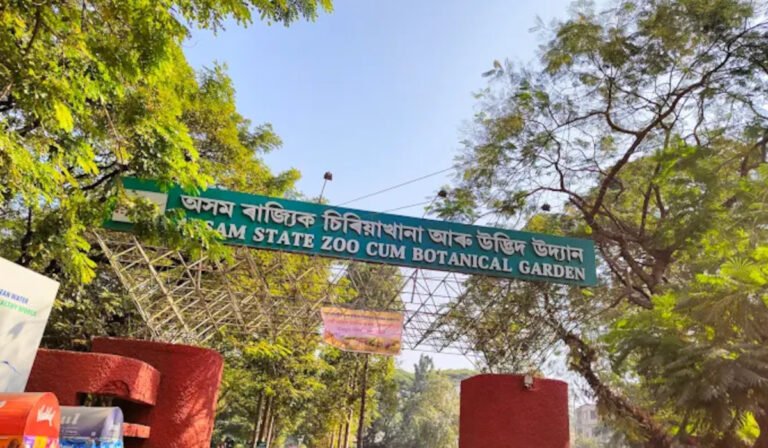
The Assam State Zoo has announced a significant milestone in its conservation efforts with the birth of four healthy Asiatic lion cubs. The cubs, born to lioness Kesari on 24th July, are reportedly in good health and are being vigilantly cared for by the zoo’s veterinary team.

The birth of the cubs was announced on World Lion Day, a move that the state’s environment minister, Chandra Mohan Patowary, described as a “significant step in species conservation.” The minister highlighted the importance of captive breeding programs in protecting the Asiatic lion, which is listed as vulnerable on the IUCN Red List, and whose last remaining wild population is in Gujarat.

This is the second time Kesari, who was brought to Guwahati from Gujarat’s Junagarh Zoo, has given birth, with her first litter of two female cubs born in February 2024. This success not only increases the zoo’s animal count but also helps to maintain a healthy and genetically diverse population, providing a crucial safety net for the species.

Skoda Celebrates 25 Years in India with Limited Edition Kushaq

0

Skoda Auto India has launched a new limited-edition version of its popular Kushaq SUV to commemorate the company’s 25th anniversary in the country. Priced from ₹16.39 lakh, the new edition is based on the top-spec Monte Carlo trim and is limited to just 500 units.

The new edition comes with several exclusive features and cosmetic enhancements. A key addition is a 360-degree camera, a highly sought-after feature in this segment. It also includes an accessories kit with puddle lamps that project the brand’s logo, underbody lighting, and a sporty fin spoiler. The exterior is further distinguished by a special ’25 Years’ badge on the B-pillar and contrasting accents in either Deep Black or Tornado Red.

The Kushaq Limited Edition retains the same powertrain options as the standard model, including the 1.0-litre TSI petrol engine with manual and automatic transmissions, as well as the more powerful 1.5-litre TSI engine with a DSG gearbox. The changes are purely aesthetic and feature-based, offering a more exclusive feel without any mechanical alterations.

Manipur Security Forces Recover Major Arms Cache in July Crackdown

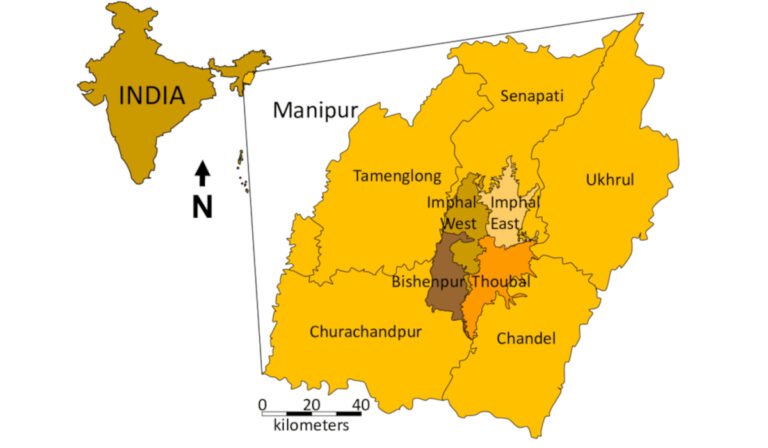
Security agencies in Manipur have confirmed a major recovery of arms and ammunition during a sustained crackdown on insurgent activities in July. Officials stated that a total of 365 arms and 1,376 rounds of ammunition were seized from various locations across the state.

The seizures were the result of a series of intelligence-led, coordinated search operations conducted by joint teams of security forces, including the Manipur Police, Indian Army, Assam Rifles, and other Central Armed Police Forces. The operations targeted hill and valley districts, with specific recoveries reported in areas like Churachandpur, Tengnoupal, and Kangpokpi.

According to a security official, many of the recovered arms are believed to have been looted from police armouries after ethnic violence erupted in the state in May 2023. Officials said the recovery of these weapons, which include foreign-made firearms, has prevented a major attack on security forces and civilians. During the same period, security agencies also arrested 55 insurgents from different parts of the Northeast. The ongoing operations are part of a broader effort to restore normalcy and public order in the state.

Highway Infrastructure Shares List at a Premium, Opening Above IPO Price

0

The shares of Highway Infrastructure Limited (HIL) have made a strong debut on the stock market today. The shares opened at a premium of approximately 34% over the issue price of ₹70 per share, reflecting the bullish sentiment generated by its heavily oversubscribed initial public offering (IPO).

The IPO, which had a price band of ₹65-70 per share, saw an overwhelming subscription of over 300 times. This high demand from investors, particularly from the retail category, had indicated a potential for solid listing gains.

The company, which specializes in toll collection and infrastructure projects, is now officially trading on the BSE and NSE. This successful listing is seen as a positive sign for the infrastructure sector, which has been a key focus of the government. The proceeds from the IPO are expected to be used for working capital and other corporate purposes, which will support the company’s future growth.

Mizoram Govt Begins Recruitment for Mizo Territorial Army to Tackle Drug Trafficking and Security

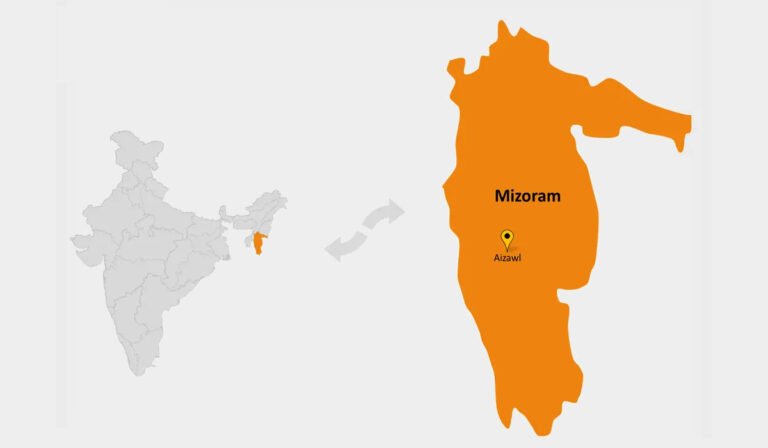
The Mizoram government has initiated the recruitment process for a new Mizo Territorial Army (MTA) battalion, a move aimed at tackling the persistent issues of drug trafficking and other cross-border crimes, an English daily from the region reported. The report published on 11th August (Monday) said that the Ministry of Home Affairs (MHA) has endorsed the proposal, acknowledging the state’s need for a dedicated force to secure its porous international borders.

In its first phase, the recruitment drive will induct 70 male candidates. These recruits will undergo a rigorous nine-month training programme at the Assam Regimental Centre in Shillong before being deployed to different parts of the state, with a particular focus on the border regions.

For a long time, the state government has been advocating for the creation of this battalion to address a significant manpower shortage in dealing with narcotics trafficking and smuggling activities originating from across its unfenced borders with Myanmar and Bangladesh. The formation of the MTA is also seen as a crucial initiative to create employment opportunities for Mizo youths while contributing to national security.

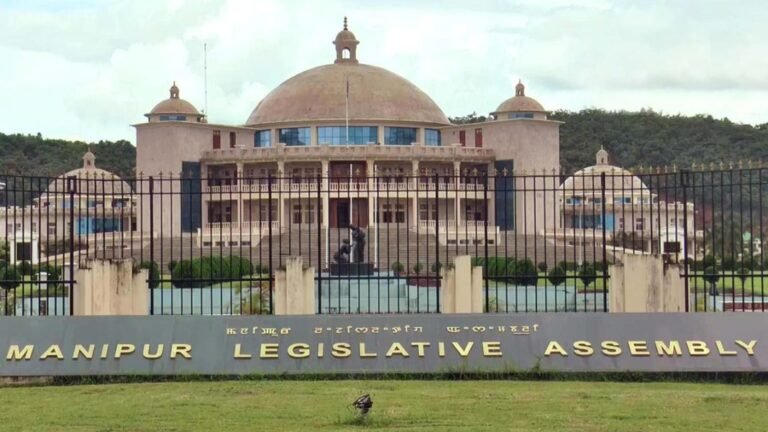
Manipur MLAs Urge Governor’s Intervention on Border Issues

A delegation of four legislators from Manipur met with Governor Ajay Kumar Bhalla at the Raj Bhavan on 11th August (Monday) to discuss pressing concerns related to the India-Myanmar border. The meeting focused on the Free Movement Regime (FMR) and the ongoing border fencing, with the MLAs requesting the Governor’s intervention for an “amicable resolution.”

The delegation included Naga People’s Front (NPF) MLAs Awangbou Newmai, Khashim Vashum, and Leishiyo Keishing, along with independent MLA J. Kumo Sha. They expressed strong opposition to the central government’s decision to scrap the FMR, which has been a point of contention for various groups in the Northeast.

The FMR is a long-standing arrangement that allows people from tribes living along the 1,643 km India-Myanmar border to travel up to 16 kilometres into the other country without a visa. This policy is particularly important for communities, such as the Nagas, who have strong ethnic and familial ties on both sides of the border.

The decision to scrap the FMR and accelerate border fencing has been met with resistance from various organisations in Manipur, Nagaland, and Mizoram, who argue that it disrupts the historical and cultural links of the local people. They also believe that the fencing is dividing ancestral lands and will have a negative impact on the livelihoods of border communities.

The MLAs have requested the Governor to take appropriate steps to facilitate a dialogue with the Centre, emphasising the need to prioritise the interests of the affected local population and maintain harmony in the border regions. The Governor’s office confirmed that he acknowledged the grievances and assured the delegation that the matter would be looked into.

Jannik Sinner Battles Through Chaos to Advance in Cincinnati Open

0

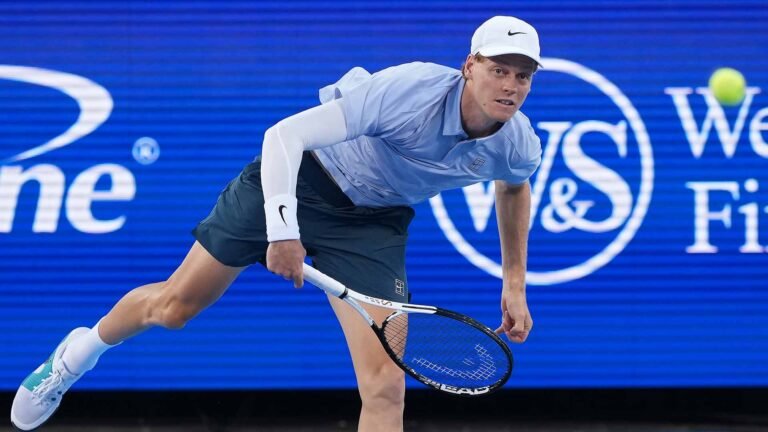
World number one Jannik Sinner has successfully navigated a day of delays and disruptions at the Cincinnati Open, extending his impressive hard-court winning streak and beginning his title defence in solid form.

The reigning Wimbledon champion and top seed began his tournament with a dominant 6-1, 6-1 victory over Daniel Elahi Galan in just 59 minutes, a win hailed as his quickest of the season. Following this, Sinner faced Canadian Gabriel Diallo on Monday, securing a 6-2, 7-6 (6) win to reach the fourth round.

The match against Diallo was far from straightforward, as Sinner was forced to play through a series of unusual interruptions. The Cincinnati Open campus experienced a power outage that caused a 75-minute delay and disrupted the electronic line-calling system. Later, a fire alarm blared from a grandstand during the second set, adding another layer of distraction to the already challenging conditions. Despite the chaos, Sinner maintained his composure, eventually winning the match after saving a set point in the tiebreaker.

The victories in Cincinnati extend Sinner’s hard-court winning streak to 23 matches, a run that began after his loss to Carlos Alcaraz in the Beijing final last year. The Italian has not lost on a hard court since then, a streak that includes titles at the US Open, the Australian Open, and the Nitto ATP Finals. Sinner is now aiming to defend his Cincinnati title, an achievement no man has managed since Roger Federer in 2014-15.

Sinner, who is scheduled to face either Tommy Paul or Adrian Mannarino next, is also preparing for the upcoming US Open, where he will look to defend his 2024 title. His focus remains on fine-tuning his game ahead of the final Grand Slam of the season.

Trump’s Tariff War Spurs India-China Rapprochement

0

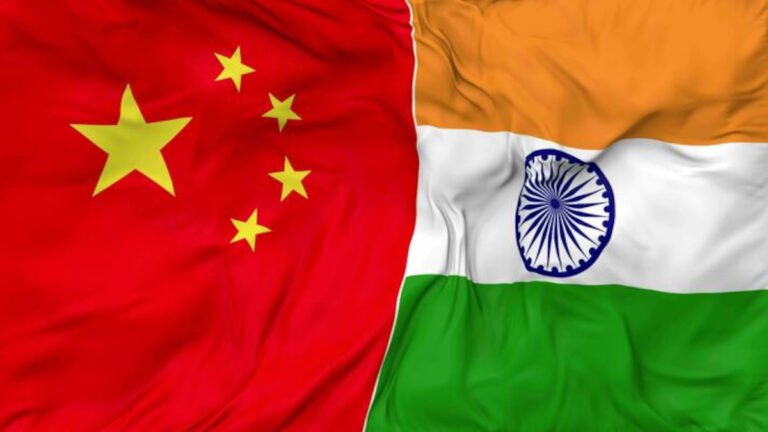
The U.S. administration’s aggressive trade policies, particularly the recent imposition of an additional 25% tariff on Indian goods, may be inadvertently fostering a strategic convergence between Asia’s two largest powers, India and China. This development risks undermining Washington’s broader geopolitical and economic objectives in the Indo-Pacific.

The US has now placed a combined 50% tariff on many Indian exports. This punitive measure, aimed at pressuring India over its energy trade with Russia, stands in contrast to Washington’s ongoing tariff war with China. In FY 2024-25, India’s bilateral trade with the US stood at approximately USD 131.8 billion, with Indian exports to the US making up a significant portion of that figure at USD 86.5 billion. The new tariffs are expected to put a massive dent in these exports, with some reports suggesting a potential 30% drop in Indian shipments to the US. This places India at a significant competitive disadvantage compared to other rivals in the US market.

In contrast, India’s trade with China, while also robust, is marked by a significant imbalance. In the same fiscal year, India’s trade deficit with China hit a record USD 99.2 billion, driven by India’s heavy reliance on Chinese imports for critical sectors. India’s exports to China stood at a mere USD 14.3 billion, highlighting a persistent structural disparity.

This complex economic landscape, coupled with US pressure, is providing a new incentive for India and China to find common ground.

A Pragmatic Shift for India

India, a nation that has historically sought strategic autonomy, is navigating this new pressure with a pragmatic and calibrated approach. While New Delhi has criticised the tariffs and the perceived double standards of Western nations, it has not engaged in tit-for-tat duties. Instead, the government is focusing on domestic economic measures to mitigate the impact. It is reportedly working on a ₹20,000 crore plan to support exporters and is actively promoting its “Make in India” initiative to bolster domestic production.

This period of US trade pressure coincides with a cautious warming of relations between India and China. This is highlighted by the upcoming visit of Prime Minister Narendra Modi to China for the SCO Summit in Tianjin, his first trip to the country since the Galwan clash in 2020. This high-level diplomatic engagement, along with a resumption of other dialogues, signals a mutual desire to manage tensions and prevent further escalation, even as border disputes remain unresolved.

How the Tariff War Could Backfire for the US

The US strategy of applying economic pressure on both India and China, while distinct in its motivations, risks an unintended consequence: it may inadvertently push the two powers closer together.

  • Strategic Alignment: As Washington’s policies create economic uncertainties, India and China may find increased common interest in exploring avenues of cooperation on multilateral platforms. This could foster greater geopolitical alignment between the two nations.
  • Reduced US Leverage: A deeper economic and strategic relationship between India and China could reduce the overall leverage the US holds over either country. This could diminish the effectiveness of unilateral US economic measures and complicate Washington’s broader Indo-Pacific strategy, which positions India as a key partner in countering China’s influence.
  • Diversion of Trade: The US tariffs might accelerate the development of alternative trade routes and economic partnerships that bypass traditional US-centric frameworks. With India and China both actively exploring ways to strengthen regional economic cooperation, this could lead to a significant recalibration of power in the Indo-Pacific, with long-term implications for global trade.

In conclusion, while the US administration’s tariff war is designed to assert economic dominance, the complex geopolitical landscape of Asia suggests that this strategy may be creating an unexpected convergence between India and China, with significant consequences for global trade and international relations.


Assam CM Urges Community Action Against Encroachment, Flags ‘House-Beef-Mosque’ Pattern

Assam Chief Minister Himanta Biswa Sarma has called upon the Assamese community to actively protest against illegal immigration and encroachment in the state’s culturally significant areas. Speaking at an event in Guwahati on Wednesday, the Chief Minister stressed that while citizens must raise their voices, they should always act within the boundaries of the law.

Sarma’s comments were made during the inauguration of the Nijut Moina 2.0 form distribution drive. He urged people in the cultural heartlands of Upper Assam, such as Lakhimpur, Jorhat, and Sivasagar, to mobilise against encroachers, stating, “If somebody tries to enter the areas that are the very foundation of the community, people will raise their voices.”

The Chief Minister highlighted a pattern he believes is being used to facilitate land encroachment, which he termed the “house-beef-mosque” pattern. He alleged that this sequence involves individuals first renting houses, followed by the killing of a cow, the establishment of a mosque, and ultimately the displacement of a traditional Satra (Vaishnavite monastery) from the area.

Dismissing claims that settlers in places like Uriamghat in Golaghat district were landless victims of erosion, Sarma said that many of them were illegally occupying vast tracts of land for commercial purposes. He also reiterated a recent warning against sheltering evicted individuals, arguing that doing so would reverse the progress made by the government’s eviction drives.

NESO Calls for Region-wide NRC and Tighter Border Controls

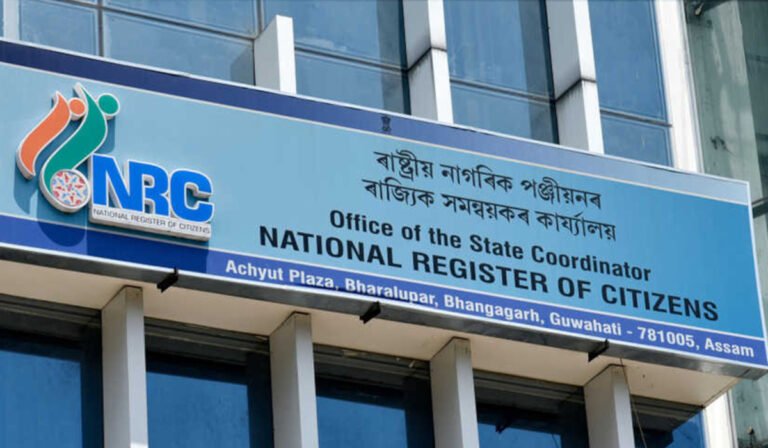
The North East Students’ Organisation (NESO) has issued a call for a comprehensive National Register of Citizens (NRC) across all states in the Northeast, citing a critical need to address illegal immigration. Speaking at a press conference in Panbazar on Wednesday, senior leaders of the organisation also reiterated their support for a re-verification of the NRC in Assam.

NESO leaders, including advisor Samujjal Bhattacharyya and convenor Utpal Sarma, voiced deep concern over the persistent influx of undocumented foreigners from Bangladesh. They argued that this not only threatens the identity of indigenous communities but also poses a serious risk to national security. Bhattacharyya highlighted Tripura as a cautionary example, claiming that the state’s indigenous population has seen a sharp demographic decline.

The organisation criticised successive governments for failing to implement key clauses of the Assam Accord and for a lack of sustained action against infiltrators. Sarma emphasised that anti-encroachment drives to clear forest lands must continue without hesitation, asserting that such encroachment cannot be tolerated.

Key demands from NESO include:

  • Implementation of the NRC across the entire Northeast.
  • Re-verification of the existing NRC in Assam to ensure its accuracy.
  • Immediate detection and deportation of illegal immigrants from Bangladesh.
  • Complete exclusion of the Northeast from the purview of the Citizenship Amendment Act (CAA).
  • Constitutional safeguards to protect the rights of indigenous peoples.
  • The sealing of the India-Bangladesh border on a “war footing.”