


Former Jammu and Kashmir Governor Satya Pal Malik Passes Away at 79

0

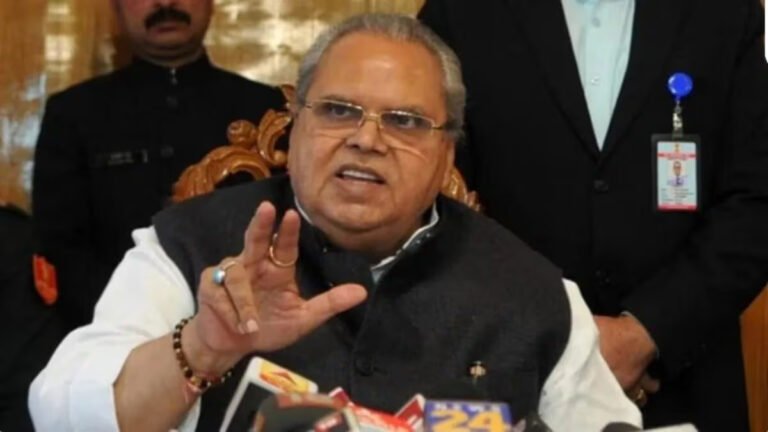
Satya Pal Malik, a veteran politician who served as the 10th and last Governor of the erstwhile state of Jammu and Kashmir, passed away on August 5 (Tuesday) at the age of 79 after a prolonged illness. His demise marks the end of a significant political career that spanned over five decades and saw him hold gubernatorial positions in multiple Indian states.

Malik breathed his last at Ram Manohar Lohia Hospital in New Delhi, where he had been undergoing treatment since May. Hospital sources indicated he was battling a severe urinary tract infection and complications arising from kidney failure.

His tenure as Governor of Jammu and Kashmir, from August 2018 to October 2019, coincided with the historic abrogation of Article 370 on August 5, 2019. This significant constitutional change led to the reorganisation of the state into two Union Territories, a decision that occurred under his watch. The coincidence of his passing on the sixth anniversary of this event was noted by political observers.

Beyond Jammu and Kashmir, Malik also served as Governor of Bihar (2017), Odisha (additional charge in 2018), Goa (2019), and Meghalaya (2020). Throughout his distinguished career, he was known for his outspoken nature and willingness to comment on various national issues.

His political journey began as a student leader in the mid-1960s, and he later served as an MLA in Uttar Pradesh, a Member of Parliament in both the Rajya Sabha and Lok Sabha, and briefly as a Union Minister of State. In his later years, he became a notable critic of certain government policies.
US President Threatens ‘Substantial’ Tariff Hike on India Over Russian Oil Imports

0

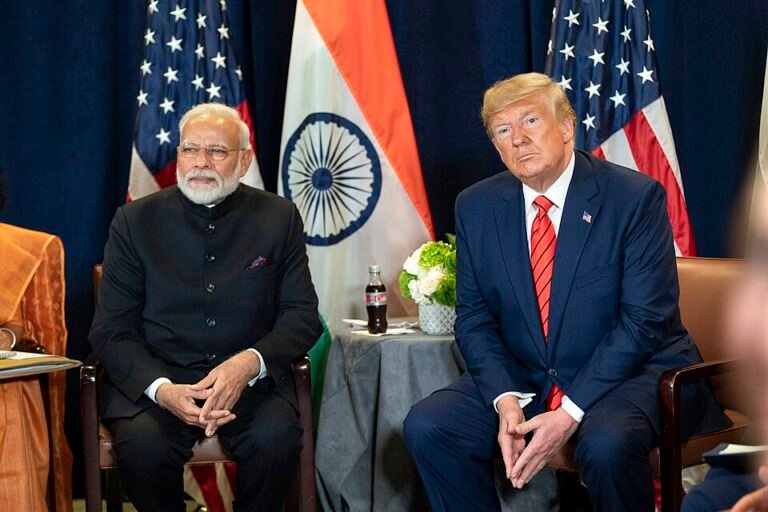
The US President has renewed threats to impose “very substantial” increases on tariffs against Indian goods, citing India’s continued crude oil imports from Russia. This follows a previous 25% tariff already in effect. New Delhi has publicly dismissed these warnings as “unjustified” and affirmed its commitment to safeguarding its economic interests, further escalating trade tensions between the two nations. 

The US President criticised India’s trade practices, stating that India has “not been a good trading partner” due to its high tariffs on American products and its significant purchases of Russian oil. He indicated that the existing 25% tariff on Indian goods, set to be effective from August 7 (Thursday), could be “very substantially” increased within the next 24 hours. The President linked India’s energy trade with Moscow to the ongoing conflict in Ukraine, accusing India of “fuelling the war machine.”

India’s Ministry of External Affairs (MEA) has strongly pushed back against these threats. In a statement on August 4 (Monday), the MEA defended India’s energy strategy, asserting that its crude oil purchases from Russia are “a necessity compelled by global market conditions” and not a political endorsement of Moscow. The MEA highlighted what it termed “double standards,” noting that the US and European Union themselves continue to engage in trade with Russia, including in energy and critical commodities, despite publicly opposing the Ukraine conflict. The MEA stated that “the targeting of India is unjustified and unreasonable” and that “like any major economy, India will take all necessary measures to safeguard its national interests and economic security.”

The Kremlin has also weighed in on the escalating tensions. On August 5 (Tuesday), Kremlin spokesperson Dmitry Peskov publicly accused the United States of exerting “illegal trade pressure” on India. He emphasised that “sovereign countries have the right to choose their own trading partners” and that attempts to force nations to cut trade relations with Russia are “illegitimate.”

This diplomatic standoff underscores a growing geopolitical rift as countries like India and China resist Western efforts to isolate Russia, prioritising their national interests and energy security amidst global uncertainties.

Uttarkashi Cloudburst: Four Dead, Dozens Missing as Rescue Efforts Intensify on Day 2

0

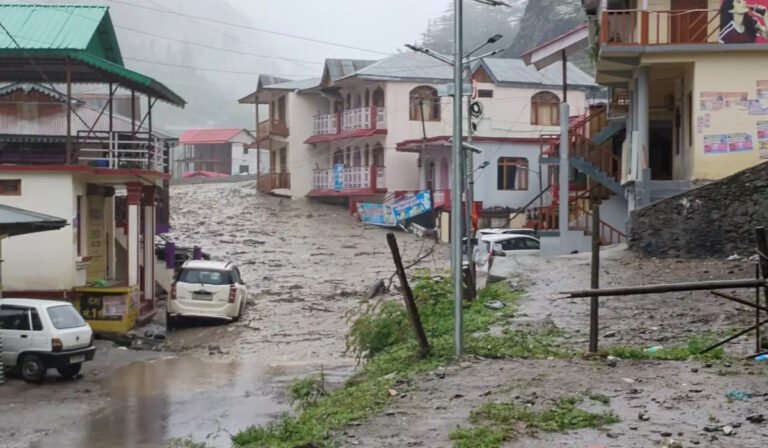
At least four people are dead, and dozens, including Army personnel, are feared missing after a devastating cloudburst in Uttarakhand’s Uttarkashi district on August 5 (Tuesday). The extensive rescue and relief operations have entered their second day, as teams battle challenging conditions to reach affected areas. 

The cloudburst struck Dharali village in the upper catchment area of the Kheer Ganga river, unleashing a massive surge of water and debris that swept through the high-altitude settlement. Terrifying visuals from the scene show torrents of muddy water engulfing homes, hotels, and shops, with residents seen fleeing in panic. Officials estimate that around 20 to 25 hotels and homestays may have been completely destroyed.

The Indian Army, State Disaster Response Force (SDRF), National Disaster Response Force (NDRF), and Indo-Tibetan Border Police (ITBP) have mobilised extensive resources for the search and rescue mission. Army personnel, including the Ibex Brigade and 14 RAJRIF, are actively involved, using heavy machinery, drones, and helicopters to clear debris and locate survivors. So far, over 130 people have been rescued and provided with initial aid.

Chief Minister Pushkar Singh Dhami has confirmed that the situation is being closely monitored and that relief operations are underway “on a war footing.” Prime Minister Narendra Modi and Home Minister Amit Shah have also spoken with the Chief Minister, assuring full central support for the ongoing efforts.

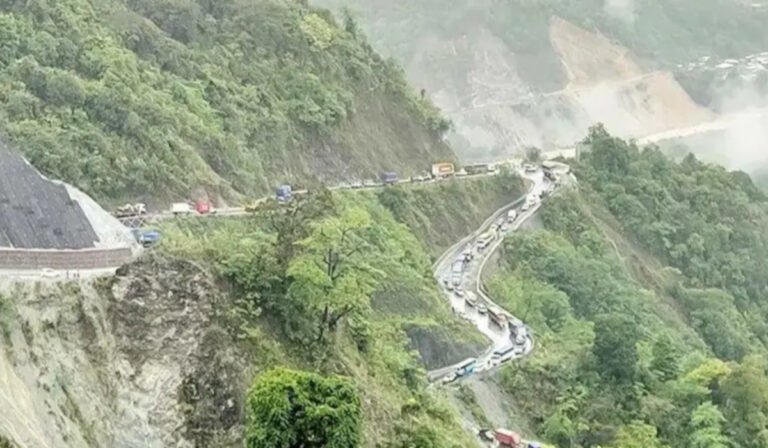
The India Meteorological Department (IMD) has issued a red alert for Uttarakhand until August 10 (Saturday), forecasting continued heavy rainfall in the hilly regions, which raises concerns about further landslides and flash floods. Connectivity to some areas, including the Uttarkashi-Harsil road, has been severely impacted by the landslides, hindering rescue efforts.

Manipur Governor Lauds MTU’s Decade of Growth, Urges Visionary Transformation

The Governor of Manipur, Ajay Kumar Bhalla, lauded Manipur Technical University (MTU) on its 10th Foundation Day on August 5 (Tuesday), commending its impressive growth and calling for a visionary transformation to prepare students for a rapidly evolving world.

Addressing faculty, students, alumni, and dignitaries at the university’s campus in Takyelpat, Imphal, Governor Bhalla, who also serves as the Chancellor of MTU, highlighted the institution’s remarkable progress since its inception in 2016 as the state’s first and only state-run technical university. He praised MTU’s alignment with the National Education Policy (NEP) 2020 and its emergence as a promising hub for innovation, research, and industry collaboration in the Northeast region.

The Governor acknowledged the dedication of the faculty and the achievements of MTU students in national-level competitions. He specifically praised the university’s forward-looking initiatives, including plans to introduce new-age courses in Artificial Intelligence, Renewable Energy, Robotics, and Data Science.

Encouraging students to look beyond the pursuit of degrees, Governor Bhalla urged them to “cultivate curiosity, creativity, and compassion, and to think deeply, act responsibly, and lead courageously.” He described MTU as a “visionary seed planted for a self-reliant future of Manipur,” reaffirming the commitment to developing a green, smart, and inclusive campus. He also appealed to all stakeholders to work collectively to transform MTU into a beacon of excellence for the entire Northeast.

Governor Bhalla suggested that the university administration initiate student exchange programmes with other institutions across India and, eventually, with foreign universities, advising students to strive for excellence and bring laurels to the state.

Arunachal Pradesh CM Distributes AI Devices to Boost Inclusive Education for Students with Disabilities

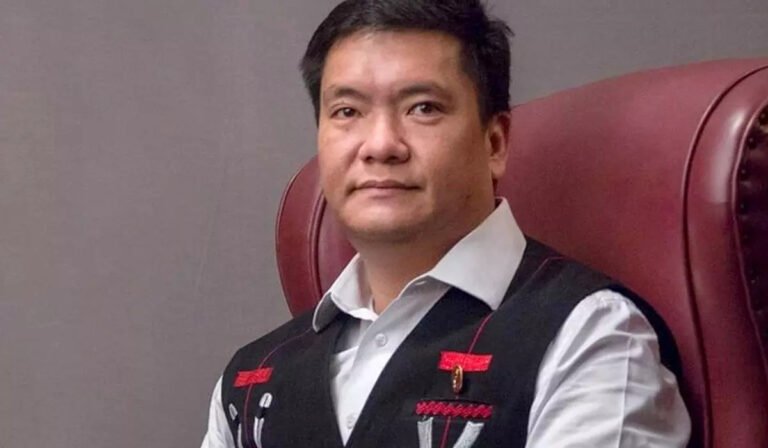
Arunachal Pradesh Chief Minister Pema Khandu distributed advanced AI-powered reading devices to students with hearing and visual impairments on August 5 (Tuesday), marking a significant step towards fostering inclusive education in the state. This initiative aims to enhance accessibility and promote a more equitable learning environment for students with disabilities. 

The distribution took place at the Donyi Polo Mission School for the Hearing and Visually Impaired in Chimpu, near the capital Itanagar. The devices, known as ‘KIBO’ reading devices, are designed to empower users to independently read printed, handwritten, and digital content at their own pace and in their preferred language.

During the event, Chief Minister Khandu emphasised the importance of combining innovation with compassion to ensure that no one is left behind in the state’s progress. He stated that “Real progress happens when innovation meets compassion, and when no one is left behind.” This initiative aligns with the government’s broader commitment to leveraging technology for social good and ensuring that all citizens have equal opportunities.

Arunachal Pradesh on High Alert as Monsoon Intensifies, Heavy Rains Forecast

The India Meteorological Department (IMD) on August 5 (Tuesday) has issued a series of weather warnings, indicating that Arunachal Pradesh is set to experience a fresh spell of widespread rain and thunderstorms in the coming days.

The state is preparing for a significant intensification of the monsoon season. Several districts, including East Kameng, Namsai, Lohit, and Papum Pare, have been placed under a yellow alert, advising residents to be prepared for adverse conditions. Heavy showers are also predicted for West Kameng and Upper Subansiri, with a high probability of scattered rain and thunderstorms across most other districts, including Siang, Kurung Kumey, and Tawang.

The weather activity is expected to persist, with intensity fluctuating over the next few days. By August 7 (Thursday), conditions are forecast to intensify in the eastern part of the state, with Changlang and Longding placed under an orange alert, indicating the likelihood of thunderstorms accompanied by heavy rainfall. The alert level is expected to remain elevated on August 8 (Friday), particularly in western and southeastern districts such as West Kameng, Papum Pare, and Lohit, which may experience very heavy rain.

Authorities have urged residents in vulnerable areas to remain vigilant, closely follow weather updates, and adhere strictly to safety advisories. The active monsoon conditions also bring an increased risk of flash floods, waterlogging, and landslides in susceptible zones.

Tripura Farmers Receive Over ₹45 Crore Under PM-KISAN Scheme

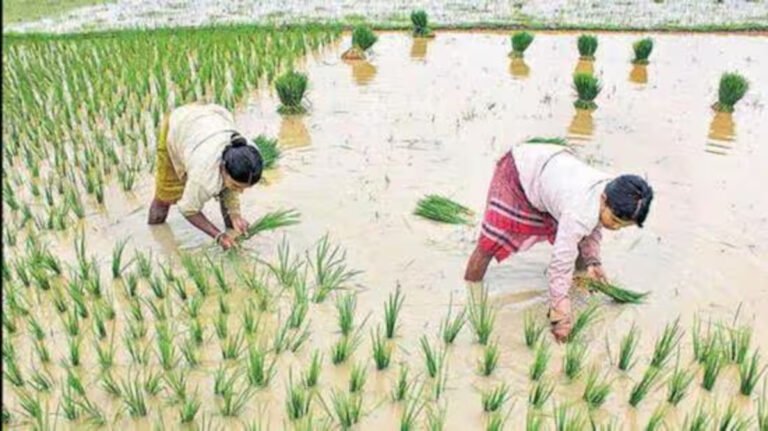
Farmers in Tripura have received over ₹45 crore under the Pradhan Mantri Kisan Samman Nidhi (PM-KISAN) scheme, marking the disbursement of the 20th installment of the financial assistance. The funds were directly credited to the bank accounts of 2.84 lakh farmers across the state.

The disbursement took place as part of a special programme held at the State Agricultural Research Centre in Arundhatinagar, Agartala, aligning with a national event in Varanasi, Uttar Pradesh, where Prime Minister Narendra Modi formally launched the 20th installment nationwide.

Tripura Chief Minister Dr. Manik Saha attended the state-level event and participated in a symbolic transfer ceremony. He praised the PM-KISAN scheme as a transformative initiative for the farming community. Chief Minister Saha publicly stated that “The direct transfer of ₹45.43 crore into the accounts of 2.84 lakh farmers in Tripura reflects the strong commitment of both the central and state governments towards farmer welfare, digital governance, and transparent public service.” He further emphasised that the scheme has not only eased the financial burden on small and marginal farmers but has also boosted confidence in the government’s ability to deliver timely and corruption-free benefits.

The PM-KISAN scheme, launched in 2019, provides ₹6,000 annually to eligible farmers in three equal installments, aiming to support agricultural expenses and improve financial stability. The successful digital transfer of this installment highlights the efficiency of the system and the government’s focus on empowering farmers across India.

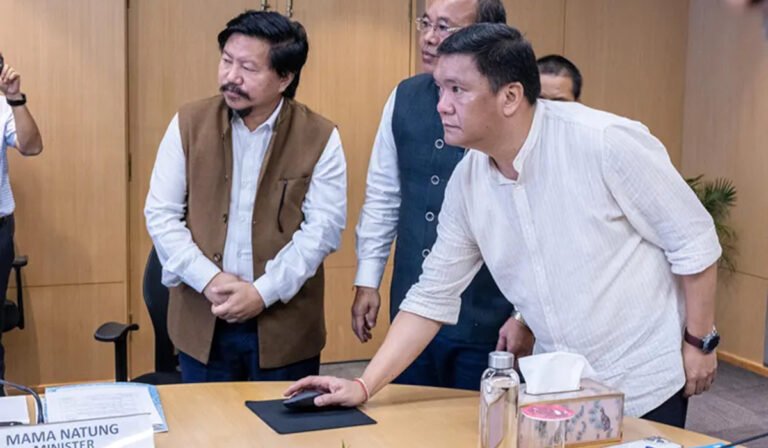
Arunachal Launches Digital Water Bill Payment System in Itanagar

In a significant move towards enhancing citizen convenience and modernising public services, the Chief Minister of Arunachal Pradesh has unveiled a new digital water bill payment system in Itanagar. The initiative, launched on August 5 (Tuesday), aims to streamline the process of paying water bills for residents in the Itanagar Capital Region (ICR).

The new system, a pilot project by the Public Health Engineering & Water Sanitation (PHE&WS) Department, will allow consumers in the ICR to pay their water bills online, eliminating the need for physical visits to government offices. The Chief Minister lauded this digital step, stating that it brings essential public services closer to the people. “For the people in Itanagar Capital Region, paying a water bill will no longer mean taking half a day off work or standing in a long queue. Now, it’s just a few taps on a phone, a few clicks on a screen,” the Chief Minister publicly remarked.

While initially rolled out for the ICR, the state government has ambitious plans for a statewide expansion. The Chief Minister urged the department to extend the digital water management system to all District Headquarters across Arunachal Pradesh, ensuring that residents in even the most remote areas have access to fast, transparent, and hassle-free public services. He emphasised that this initiative is part of a broader vision to integrate digital systems for water connections, billing, and grievance redressal throughout the state.

The Chief Minister also highlighted the benefits of digital revenue collection, noting its transparency, efficiency, and real-time nature, which minimises leakage. He encouraged other revenue-generating departments to adopt similar digital tools. The launch event was attended by key officials, including the PHE&WS Minister, Advisor, and Chief Secretary, underscoring the government’s commitment to this digital transformation.

Mizoram University Celebrates NAAC A+ Grade, Governor Launches E-Office Portal

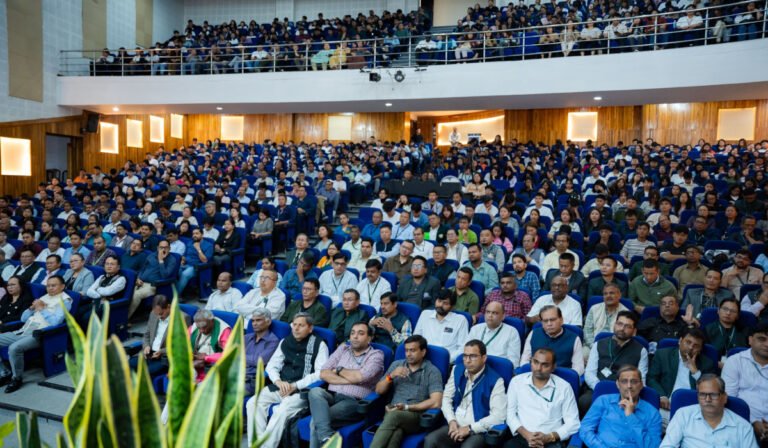
Mizoram University (MZU) held a grand celebration on August 5 (Tuesday) to commemorate its recent achievement of an A+ grade accreditation from the National Assessment and Accreditation Council (NAAC). The event, graced by the Governor of Mizoram, also marked the official launch of the university’s new e-Office Portal, a significant step in its digital transformation. The news was widely reported on August 5 (Tuesday), by the media.

The Governor, who also serves as the Chief Rector of Mizoram University, congratulated MZU on its remarkable accomplishment. In his address, he lauded the university’s impressive growth since its establishment in 2000 and its consistent inclusion among the top academic institutions in India. He highlighted MZU’s alignment with the National Education Policy (NEP) 2020, its implementation of the Academic Bank of Credits, and its contributions to research, including a notable h-index and numerous registered patents. The Governor also praised MZU for its pioneering role in offering online education and for establishing the Northeast’s only DRDO Industry-Academia Centre of Excellence.

The launch of the e-Office Portal signifies a major milestone in MZU’s journey towards digital governance and enhanced operational efficiency. The Governor encouraged both faculty and students to uphold integrity and strive for continued excellence, envisioning MZU as a nurturing ground for ethical leaders and a future leader in research, innovation, and technology. He also urged the faculty to begin preparations for the establishment of a proposed state university, ensuring a smooth transition.

The Vice-Chancellor of MZU expressed pride in the university being among the few Central Universities in India to secure the NAAC A+ Grade, extending gratitude to all stakeholders for their unwavering commitment. The celebration concluded with a vote of thanks, leaving the university community inspired in its pursuit of excellence.

Mizoram Government Reaffirms Aizawl as Capital, Cites Clerical Error in Reports

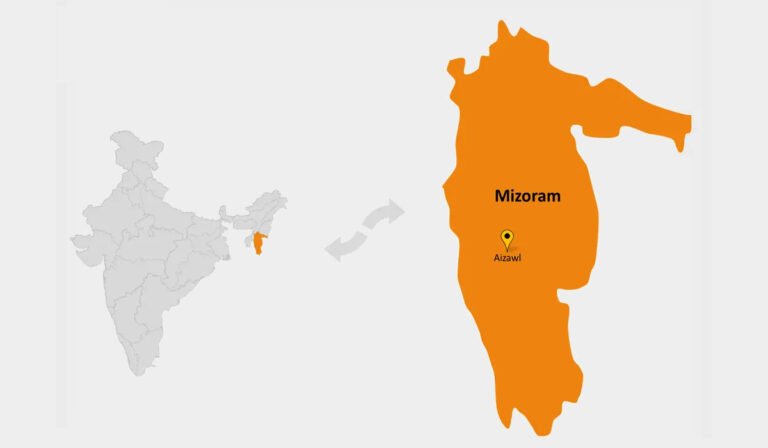
The Mizoram government has officially clarified that Aizawl remains the state’s capital, dismissing recent reports that suggested a potential shift. The clarification, issued on August 5 (Tuesday), attributed the confusion to a clerical error in a communication from the central government. 

In an official statement, the Zoram People’s Movement (ZPM)-led government confirmed that no proposal has been made to change the capital city. The misunderstanding reportedly stemmed from a typographical error in a letter sent by the Union Ministry of Housing and Urban Affairs to the state administration. The letter’s subject line had mistakenly referenced the “shifting of state capital from Aizawl to Thenzawl.”

The state’s Urban Development and Poverty Alleviation Department clarified that the letter actually pertained to the sanctioning of ₹10 crore for preparing a Detailed Project Report (DPR) for a “Thenzawl Peace City” project. This initiative is a separate urban development plan aimed at creating a satellite township to accommodate up to 10 lakh residents, thereby relieving urban pressure from Aizawl and promoting balanced regional development.

Chief Minister Lalduhoma had previously unveiled the Thenzawl Peace City project in April, outlining plans to transform the scenic town into a model urban centre. His personal association with Thenzawl, which falls within his Serchhip Assembly constituency, appears to have fuelled political speculation despite earlier public discussions about the project’s true intent.

The Mizoram government’s statement aims to quell speculation and reassure the public that Aizawl’s status as the capital remains unchanged, while long-term urban development projects like the Thenzawl Peace City continue as a priority for decentralised planning.