




The Torture is Over: Wednesday Season 2 Has Arrived (Mostly!)

Believe me, I’ve heard you. My inbox, my social media, even my dreams have been filled with one burning question: “When is Wednesday Season 2 finally going to drop on Netflix?!” It feels like an eternity since we last saw Wednesday Addams navigating the gothic halls of Nevermore Academy, and the anticipation has been, well, torturous.

But I’m thrilled to report that the wait is, for the most part, over! As of today, 6th August 2025, the first part of Wednesday Season 2 is now available to stream on Netflix. Yes, you read that correctly – you can finally dive back into the macabre mysteries that only Wednesday can solve.

Now, a quick heads-up: Netflix has opted for a two-part release for this season, a strategy they’ve used for other big hits. So, while you can binge the first four episodes right now, you’ll need to mark your calendars for 3rd September 2025 for the release of the final four episodes. It’s a bit of a tease, I know, but it also gives us all some time to dissect every clue and plot twist from Part 1!

From what I’ve gathered, this new season is set to be even darker and more focused on the horror elements that fans (and star Jenna Ortega herself!) have been craving. We’re apparently moving away from the romantic subplots of Season 1, which, for me, is a welcome shift that allows Wednesday’s unique character to truly shine.

And the cast? Oh, it’s getting even more intriguing! Alongside the brilliant Jenna Ortega reprising her role, we’re seeing some fantastic new additions. Rumours of Lady Gaga joining the cast as a teacher at Nevermore have been confirmed, which is just chef’s kiss for the show’s eccentric vibe. Plus, the legendary Steve Buscemi is stepping in as the new principal, and I can only imagine the delightful chaos he’ll bring.

So, if you’ll excuse me, I’m off to brew a strong cup of tea (or perhaps a mysterious, dark concoction) and begin my re-entry into the wonderfully weird world of Nevermore. I hope you enjoy it as much as I know I will!

SBI Clerk Notification 2025 – Bank Announces Massive Clerk Recruitment Drive, Over 6,500 Vacancies on Offer

In a major announcement for job seekers across India, the State Bank of India (SBI) has officially released the notification for the recruitment of Junior Associates (Customer Support & Sales) for the year 2025. The much-awaited notification, which went live yesterday, 5th August 2025, has triggered a wave of excitement among banking aspirants, offering a substantial 6,589 vacancies nationwide.

This recruitment drive presents a golden opportunity for graduates looking to embark on a career in the banking sector. The SBI Clerk position is a highly sought-after role, and the large number of openings this year is expected to draw considerable interest.

Key Dates to Remember:

  • Official Notification Release: 5th August 2025
  • Online Application Start Date: 6th August 2025
  • Online Application End Date: 26th August 2025
  • Last Date for Payment of Application Fees: 26th August 2025
  • Tentative Date of Preliminary Examination: September 2025
  • Tentative Date of Main Examination: November 2025

Eligibility Criteria:

Candidates interested in applying for the SBI Clerk 2025 must meet the following essential criteria:

  • Educational Qualification: Graduation in any discipline from a recognised University or any equivalent qualification recognised as such by the Central Government.
  • Age Limit: Candidates must be between 20 and 28 years of age as on 1st April 2025. There are age relaxations applicable for reserved categories as per government guidelines.

Selection Process:

The selection process for SBI Clerk 2025 will consist of three stages:

  1. Preliminary Examination: This will be an online objective test.
  2. Main Examination: Candidates who qualify in the Preliminary Examination will be eligible to appear for the Main Examination, which will also be an online objective test.
  3. Language Proficiency Test (LPT): This test will be conducted for candidates who qualify in the Main Examination. The LPT will assess the candidate’s proficiency in the official / local language of the specific state/UT they have applied for.

How to Apply:

Interested and eligible candidates can apply for the SBI Clerk 2025 through the official website of the State Bank of India. The online application form is now active and can be accessed via the following link:

Official SBI Website for Recruitment: [ https://ibpsonline.ibps.in/sbijajul25/ ]

Candidates are strongly advised to carefully read the official notification before filling out the online application form. The notification contains detailed information regarding the eligibility criteria, syllabus, examination pattern, important instructions, and other relevant details.

This massive recruitment drive by SBI offers a significant boost to employment opportunities, particularly for young graduates in Agra and across the nation. Aspiring candidates are encouraged to start their application process well before the deadline to avoid any last-minute technical issues.

The Indian Approach to AI Regulation: Prioritising Innovation and Local Challenges

While countries in the West grapple with stringent, top-down regulations for artificial intelligence, India is charting its own path. Rather than introducing a sweeping, new law, the government’s approach is more nuanced, focusing on a “pro-innovation” strategy that addresses local challenges and leverages existing legal frameworks. For readers in the Northeast, where digital infrastructure and economic opportunities are expanding rapidly, understanding this distinct Indian perspective is crucial.

India’s strategy is rooted in the vision of using AI to solve “India-specific challenges” and democratise technology. This philosophy is evident in the government’s IndiaAI Mission, a significant initiative designed to position the nation as a global leader in AI. Instead of defining rigid rules that could stifle startups, the focus is on a light-touch approach, allowing for a dynamic and evolving ecosystem. This is particularly relevant for the Northeast, a region being positioned as a “strategic digital frontier.”

While a dedicated AI law is not currently on the cards, the government is not ignoring the risks. Regulations are being woven into existing legislation, such as the Digital Personal Data Protection Act, 2023, and amendments to the Information Technology Act, 2000. This provides a legal safety net without creating new bureaucratic hurdles. The focus is on addressing specific harms, such as the spread of misinformation via deepfakes, and ensuring accountability in sectors like finance and healthcare.

For the Northeast, this approach offers unique opportunities. The government’s Digital North East Vision and massive investments in digital infrastructure, like BharatNet, are creating a fertile ground for AI adoption. Startups and entrepreneurs from the region can develop AI solutions tailored to local needs—from using AI and drone technology in agriculture to leveraging AI-driven translation tools for the preservation of local languages. This regulatory environment, which is less focused on heavy compliance and more on application and innovation, encourages a vibrant startup culture and new employment opportunities.

The Indian model is a delicate balance of fostering technological growth while ensuring responsible use. By integrating AI regulations into a broader legal and policy framework, India aims to unlock the full potential of AI for its citizens without compromising on safety and ethics. This is not just a national strategy but a regional one, with the Northeast positioned to become a key player in this digital transformation.

BSNL and NRL Sign Landmark MoU to Accelerate Industry 4.0 Adoption in India

In a major step toward accelerating India’s digital transformation and industrial modernization, Bharat Sanchar Nigam Limited (BSNL) and Numaligarh Refinery Limited (NRL) signed a landmark Memorandum of Understanding (MoU) during the “Industry 4.0 Workshop for CPSEs” organized under the aegis of the Ministry of Finance in Guwahati.

The workshop witnessed participation from several senior dignitaries, including the Secretary, Department of Public Enterprises (DPE), CMD NRL, Director (Enterprise Business) BSNL, MD NRL, MD AMTRON, and other senior officials from the Ministry of Finance and various CPSEs. Discussions focused on empowering Central Public Sector Enterprises (CPSEs) to embrace transformative Industry 4.0 technologies—including 5G CNPN, Digital Twins, 3D Printing with AI, Virtual Formulation, AR/VR/MR, IoT, and Big Data Analytics—with a view to fostering innovation, efficiency, and Atmanirbhar Bharat.

Under this MoU, BSNL and NRL will collaborate to deploy India’s first 5G CNPN (Captive Non-Public Network) within the refinery sector, ushering in a new era of secure, ultra-reliable, and real-time industrial connectivity. This initiative is a pioneering step in leveraging indigenous 5G infrastructure for mission-critical operations.

The Secretary, DPE praised the initiative as a shining example of the Government’s “Whole of Government” (WoG)approach, underlining its potential to modernize India’s industrial base, promote advanced skilling, and generate employment opportunities—particularly in the North Eastern Region.

CMD NRL stated that the integration of 5G CNPN will not only enhance operational efficiency and cybersecurity but also enable transformative technologies such as AR/VR-based training, Digital Twins, and real-time IoT applications. He called it a game-changing moment for India’s refinery sector.

CMD, BSNL, A. Robert J. Ravi, remarked, “This partnership exemplifies BSNL’s commitment to empowering India’s strategic sectors with next-generation digital infrastructure. The deployment of a dedicated 5G CNPN at NRL will mark a technological leap forward—not only in connectivity but in redefining how core industries can operate in the future. As a trusted public telecom provider, BSNL is proud to pioneer this journey toward a self-reliant, digitally intelligent Bharat.”

Director (Enterprise Business), BSNL added that this collaboration represents a historic milestone in the adoption of 5G and Industry 4.0 within India’s industrial ecosystem. He reaffirmed BSNL’s commitment to supporting Digital India by offering secure, robust, and future-ready communication infrastructure for CPSEs and enterprises.

This partnership between BSNL and NRL is expected to set the stage for replicable models across other industrial sectors, reinforcing the Government’s vision for a digitally empowered and self-reliant India.

Days after Trump’s 25% tariff PM Modi’s ‘Swadeshi’ appeal for Indians

0

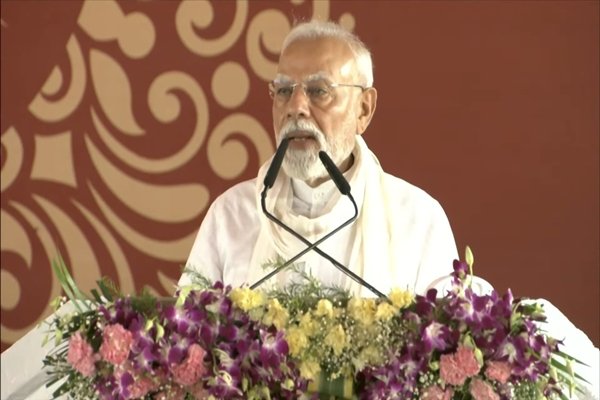
Prime Minister Narendra Modi has called upon Indians to embrace the spirit of ‘Swadeshi’ and prioritise locally-made products, emphasising the importance of national economic interests in a volatile global landscape. His appeal, made on August 2 (Saturday) during a public address in his parliamentary constituency, Varanasi, comes days after the US imposed a 25% tariff on Indian goods.

During his address, where he also inaugurated and laid the foundation stone for development works worth approximately ₹2,200 crore, the Prime Minister highlighted the prevailing global economic instability. “As we talk about economic progress, I want to draw your attention to the current global scenario,” the Prime Minister stated. “The world economy is facing instability and uncertainty. In such times, countries are focusing solely on their own interests. India, too, is on the path to becoming the world’s third-largest economy and must remain alert to its own economic priorities.”

The Prime Minister urged citizens to recognise their responsibilities in this economic climate. He called for a nationwide movement to support indigenous industries, stressing that “this is not just about Modi saying it, every Indian should say this, if we want India to become the third-largest economy, every political party and every leader, keeping aside their hesitations, must work in the nation’s interest and awaken the spirit of Swadeshi among the people.”

Modi defined ‘Swadeshi’ as anything produced through the “sweat and effort of an Indian,” urging the nation to adopt the mantra of “Vocal for Local.” He appealed directly to traders and shopkeepers to “take a pledge to sell only Swadeshi goods from our shops and markets. Promoting made in India goods will be the truest service to the country.”

With the upcoming festive and wedding seasons, the Prime Minister encouraged people to ensure that all new purchases are made in India, recalling instances where citizens changed their wedding plans from abroad to India following his earlier appeals. “The feeling of Swadeshi in every action will define our future. This will also be a true tribute to Mahatma Gandhi. Only through collective effort can we fulfil the dream of a developed India,” he concluded.

IAF Airlifts Lifeline to Landslide-Stricken Manipur Villages

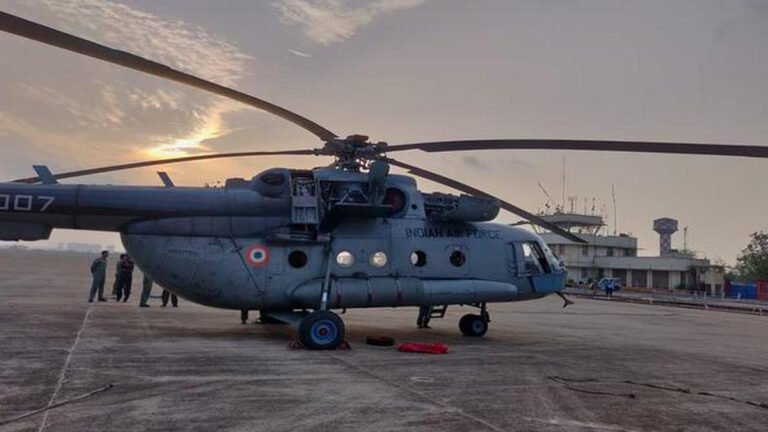
In a crucial humanitarian effort, the Indian Air Force (IAF) and Assam Rifles (AR) have successfully airlifted six tonnes of essential supplies to 18 villages in Manipur’s Churachandpur district. The operation, conducted on August 1 (Friday), provided much-needed relief to approximately 1,500 villagers who have been cut off since July 17 (Wednesday) due to extensive landslides.

The villages, located in the Henglep sub-division, became isolated after over 90 landslides, triggered by incessant rainfall, blocked the Churachandpur-Tipaimukh Road (National Highway 2). This blockade led to critical shortages of food, medicine, and other vital necessities.

Named ‘Operation Sahyog’, the mission saw IAF Mi-17 helicopters transport rice, pulses, and other daily essentials from Churachandpur to designated drop zones in the Henglep sub-division. Assam Rifles personnel on the ground ensured the swift collection and equitable distribution of these supplies to all affected communities.

The operation was a coordinated effort involving the Churachandpur District Administration, under the guidance of Governor Ajay Kumar Bhalla, and in close coordination with the Home Department, Relief & Disaster Management Department, and the Indian Air Force. Deputy Commissioner Dharun Kumar S publicly expressed appreciation for the “swift and coordinated response of all participating agencies,” reaffirming the administration’s commitment to continued support until normalcy is restored.

A spokesperson for the Inspector General of Assam Rifles (South) conveyed that “the coordinated effort underscores the unwavering commitment of Assam Rifles and the Indian Air Force to assist distressed communities in remote and inaccessible regions.” This marks a historic first for the region, highlighting the government’s dedication to providing timely assistance regardless of challenging terrain.

Meanwhile, ground-level restoration efforts are rapidly underway, with agencies like the National Highways and Infrastructure Development Corporation Limited (NHIDCL) working tirelessly to clear debris and restore road connectivity.

Assam CM Launches BJP’s BTC Poll Campaign, Promises IIT and Accelerated Development

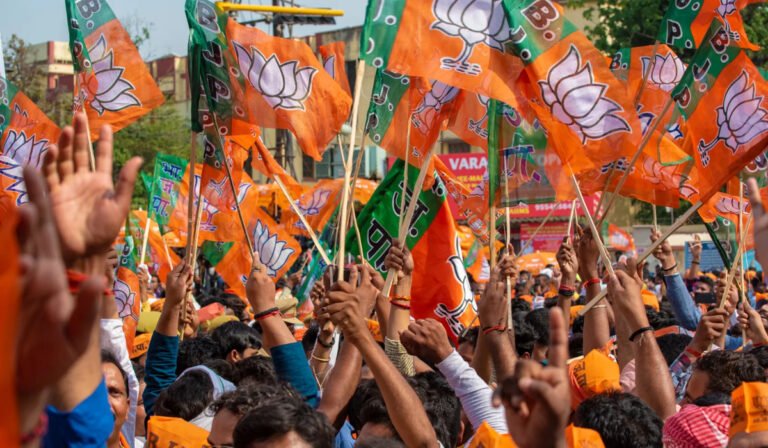
The Bharatiya Janata Party (BJP) officially commenced its campaign for the Bodoland Territorial Council (BTC) elections on Saturday, with Chief Minister Himanta Biswa Sarma outlining a tentative election schedule and ambitious development pledges. The Chief Minister indicated that polling for the BTC is expected by the third week of September, with results declared before Durga Puja.

Addressing party workers in the Mwdwibari constituency, Chief Minister Sarma articulated the party’s immediate goal for the region. “Our target is clear—announce the BTC elections in the third week of August, conduct voting a month later, and declare results before Puja,” he stated. This visit marks his second to the Bodoland Territorial Region since early July, underscoring the party’s focus on the upcoming polls.

The campaign formally began with the establishment of 21-member booth-level committees in each constituency, intended to form the “backbone of the party at the grassroots,” according to the Chief Minister.

Framing the BTC elections as a pivotal moment for inclusive growth, the Chief Minister vowed to extend the state government’s achievements in areas such as agriculture, infrastructure, and social welfare to the region. “BTR is home to many languages and traditions. Our goal is a council where every resident feels like a first-class citizen,” he affirmed. Among the notable promises, Sarma cited ongoing initiatives, including a ₹33-crore government college in Kalaigaon, and announced a new, ambitious objective: establishing an Indian Institute of Technology (IIT) in the region during the next council term. He expressed confidence that “good governance will make BTR sprint towards progress.”

Linking the election timeline to welfare outreach, Sarma presented a calendar of forthcoming schemes across Assam. These include Orunodoi 3.0, set to launch on September 17 (Tuesday), offering a monthly cash transfer of ₹1,250 plus a ₹250 LPG subsidy for beneficiary families. Additionally, the Nijut Moina scheme, providing financial aid for school-going girls, is scheduled for August 6 (Tuesday), and the Mahila Udhyamita Asoni for August 21 (Wednesday). Plans also include upgrading ration cards to incorporate pulses, salt, and sugar alongside rice.

The Chief Minister highlighted the creation of 1.5 lakh jobs by the current government and pledged an additional 50,000 appointments by October, assuring that “the poor youth of BTC will get a fair share” in the recruitment process. He concluded with an appeal for political unity, identifying land encroachment as the region’s “real enemy.” “We’re not asking you to abandon UPPL or BPF. We simply ask you to give BJP a chance. If BJP wins the maximum BTC seats, the scale of development will be unparalleled,” he urged. Sarma credited Prime Minister Narendra Modi’s leadership for restoring peace to a region once troubled by ethnic unrest and violence, stating, “Since I took oath in 2021, there have been no bomb blasts or gunfire in BTR. The next five years must convert this peace into lasting prosperity.”

Assam Man Found at Barpeta Railway Station After In-Flight Incident and Disappearance

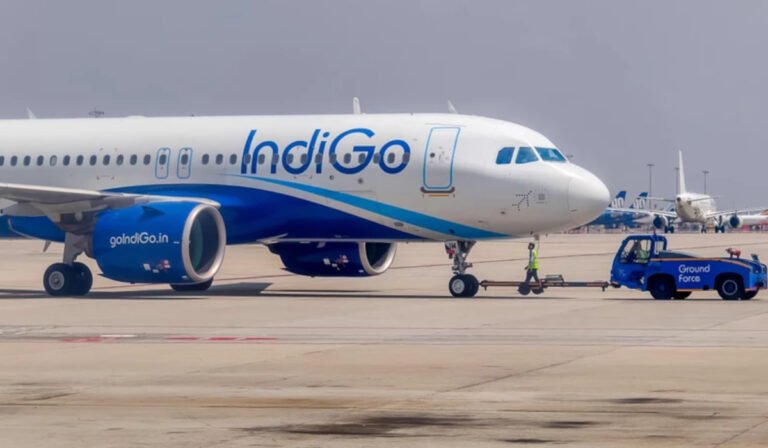
A man from Assam who went missing after an altercation on an IndiGo flight has been located at a railway station in Barpeta, Assam. Hussan Ahmed Majumdar, a resident of Cachar district, had reportedly suffered a panic attack aboard IndiGo flight 6E-138 (Mumbai-Kolkata) on August 1 (Friday), and demanded to deboard. As cabin crew members were assisting him, he was allegedly slapped by a fellow passenger. 

The incident gained widespread attention after a video circulated online showing Majumdar visibly distressed on the flight and the subsequent assault by another passenger, identified as Hafijul Rahaman. Rahaman was later detained by security personnel upon arrival in Kolkata and was handed over to the police.

After the flight landed in Kolkata, Majumdar, who was expected to take a connecting flight to Silchar, did not arrive at his destination. His family, unaware of the in-flight incident, became concerned when they couldn’t find him at Silchar airport and his phone was switched off after they saw the viral video. His father, Abdul Mannan Majumdar, stated that they tried to contact him, but his phone remained unreachable. A missing complaint was filed, and police investigations revealed he had not taken the flight to Silchar nor left Kolkata airport by conventional means.

Majumdar was later found at Barpeta railway station in Assam, appearing unwell. Authorities are now facilitating his return home.

Following the incident, IndiGo issued an official statement. The airline stated, “In line with our commitment to discourage such unruly behaviour onboard flights, the individual [assaulter] has been suspended from flying on any IndiGo flights, in accordance with regulatory provisions.” The airline further added, “At IndiGo, the safety and well-being of our customers and crew remain our foremost priority.”

Kulgam Counter-Terror Operation Enters Day 3, Two Terrorists Neutralised

0

A counter-terrorism operation in the Akhal area of South Kashmir’s Kulgam district has entered its third day on August 3 (Sunday), with security forces confirming the neutralisation of at least two terrorists in an ongoing exchange of fire. The operation, which began on the evening of August 1 (Friday), continues as joint teams work to clear the forested area. The news was widely reported on August 2 (Saturday) and August 3 (Sunday), by the media.

The gunfight erupted on August 1 (Friday) evening after security forces received intelligence inputs about the presence of terrorists in the Akhal Khulsan forest area. A joint team comprising personnel from the Indian Army, Jammu and Kashmir Police, and the Central Reserve Police Force (CRPF), along with the Special Operations Group (SOG), launched a cordon and search operation.

According to the Indian Army’s Chinar Corps, the firefight continued intensely through the night. In a public statement on X, the Chinar Corps confirmed: “OP AKHAL, Kulgam. Intermittent and intense firefight continued through the night. Alert troops responded with calibrated fire and tightened the noose while maintaining contact. One terrorist has been neutralised. Operation continues.” Subsequent reports confirmed a second neutralisation after fresh firing resumed on August 2 (Saturday) morning.

The identity and group affiliation of the neutralised terrorists are currently being ascertained by the authorities. Officials have indicated that the operation is still underway, with additional reinforcements brought in to ensure the area remains cordoned off and to prevent any escape.

This operation is part of a broader intensified drive by security forces against terrorism in Jammu and Kashmir, which includes targeting not only armed terrorists but also their overground workers and sympathisers. Recent successes include ‘Operation Mahadev’, which saw the elimination of terrorists responsible for the Pahalgam attack. Security forces are also focusing on disrupting financial networks, including drug smuggling and hawala rackets, believed to be funding terrorist activities in the region.

India’s Crude Oil Imports from US Soar Despite Tariff Tensions

India has significantly increased its crude oil imports from the United States since the beginning of the current US presidential term, marking a notable shift in its energy procurement strategy. This surge comes despite recent US tariffs imposed on Indian goods, with Indian firms reportedly expanding their energy engagement with the US.

Government sources indicate that crude imports from the US surged by 51% between January and June 2025 compared to the same period last year. This trend has been particularly pronounced, with the April to June 2025 quarter showing an even steeper year-on-year increase of 114%. In financial terms, the value of these imports has more than doubled, rising from $1.73 billion in the first quarter of FY 2024-25 to $3.7 billion in the corresponding period of FY 2025-26. The momentum continued into July, with imports increasing by 23% compared to June, pushing the US share in India’s overall crude imports from 3% to 8%.

This energy shift is occurring amidst rising geopolitical tensions, particularly as the US President has criticised India’s trade practices and imposed a 25% tariff on all Indian goods starting August 1 (Friday). Despite these trade challenges, Indian companies are projected to increase their crude oil imports from the US by 150% in the financial year 2025-26.

The expanded energy trade extends beyond crude oil to other products, with India’s imports of liquefied petroleum gas (LPG) and liquefied natural gas (LNG) from the US also rising sharply. LNG imports nearly doubled in FY 2024-25, and discussions are reportedly underway for a major long-term LNG contract.

The Ministry of External Affairs spokesperson recently emphasised the resilience of the partnership between New Delhi and Washington, stating that “India and the United States share a comprehensive global strategic partnership anchored in shared interests, democratic values, and robust people-to-people ties. This partnership has weathered several transitions and challenges. We remain focused on the substantive agenda that our two countries have committed to and are confident that the relationship will continue to move forward.”

This increasing energy cooperation highlights India’s approach to diversifying its energy basket and maintaining stable diplomatic and economic relations, even amidst trade disputes.