Assam’s Filmmakers Shine, Securing Five National Film Awards

In a powerful display of cinematic excellence, Assam has made a strong impression at the 71st National Film Awards, taking home five prestigious honours. The accolades, spanning a diverse range of categories from feature films to documentaries and film criticism, highlight the state’s vibrant and varied contribution to Indian cinema. The awards not only recognise established talent but also celebrate linguistic diversity and emerging voices from the Northeast.

The standout winner was Rangatapu 1982, which was named Best Assamese Feature Film. Directed by Adityam Saikia and produced by BRC Cine Production, the film secured the Rajat Kamal and a cash prize of ₹2 lakh for its touching portrayal of Assamese society in the early 1980s. This victory is seen as a significant moment for Assamese-language cinema, bringing a local story to national prominence.

The rich linguistic tapestry of the state was also celebrated with the Tai Phake language film, Pai Tang…Step of Hope, which won the Rajat Kamal for Best Film in its language. Prabal Khaund directed the film, which was honoured for its sensitive direction and compelling narrative rooted in an underrepresented culture. The award, accompanied by a ₹2 lakh prize, is a major boost for cultural preservation.

Veteran film critic Utpal Datta was awarded the prestigious Swarna Kamal for Best Film Critic, with a cash prize of ₹1 lakh. His insightful commentary and analysis of Indian cinema were praised by the jury, underscoring the vital role of critical analysis in the cinematic landscape.

In the non-feature film category, Lentina Ao – A Light on the Eastern Horizon, a biographical film on the pioneering Naga woman, was named Best Biographical Film. Directed by Sanjib Parasar and co-directed by Nilakshi Medi, the documentary, produced by the National Film Development Corporation (NFDC), received a ₹2 lakh prize for its moving tribute to Lentina Ao’s work in healthcare and education in Nagaland during the 1950s. Parasar noted that the film was intended to portray her legacy “in real time,” highlighting her groundbreaking work in rural midwifery.

Adding another Swarna Kamal to the list, performer-turned-filmmaker Shilpika Bordoloi was recognised as Best Debut Director (Non-Feature) for her Mizo-language film, Mau: The Spirit Dreams of Cheraw. Bordoloi, who describes the film as a meditation on the spiritual connection between bamboo and humans, was awarded a ₹3 lakh prize. Her win celebrates a creative journey that bridges performance and filmmaking, and takes stories from Mizoram to a national audience.

These awards not only serve as a significant acknowledgment of Assam’s creative community but also as a powerful testament to the state’s cultural richness and the talent that continues to emerge from the region.

CAT Guwahati Gets Permanent Home After Nearly Four Decades

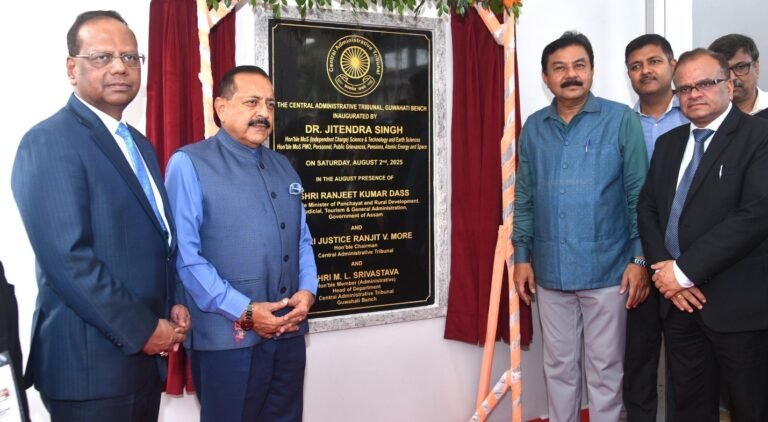
The Central Administrative Tribunal (CAT) in Guwahati has finally moved into its own building, nearly 40 years after its establishment. The new Court-cum-Office Complex was inaugurated on Friday by Union Minister Dr. Jitendra Singh, who described the development as part of the broader transformation of the Northeast over the last decade.

The Guwahati bench, one of the oldest in the country, had been operating from a rented space since its inception in 1985. The new complex, built with modern amenities including earthquake-resistant features and facilities for the differently-abled, was completed in three years on land provided by the Assam government.

Speaking at the event, Dr. Singh highlighted improvements in CAT’s functioning over the years, noting that nearly one-third of the tribunal’s total case disposals since 1985 were achieved in the past decade alone. He also credited digital tools such as e-filing and video conferencing for helping maintain case flow, particularly during the pandemic.

Assam Minister Ranjit Kumar Das, CAT Chairman Justice R.K. Morey, and members of the legal community were present during the inauguration. Dr. Singh urged the legal fraternity to work collectively to uphold the purpose of CAT, which was founded to offer quick and accessible justice to government employees.

Dost Dost Na Raha – US Imposes 25% Tariff on Indian Imports, Cites Trade Imbalance and Russian Ties

0

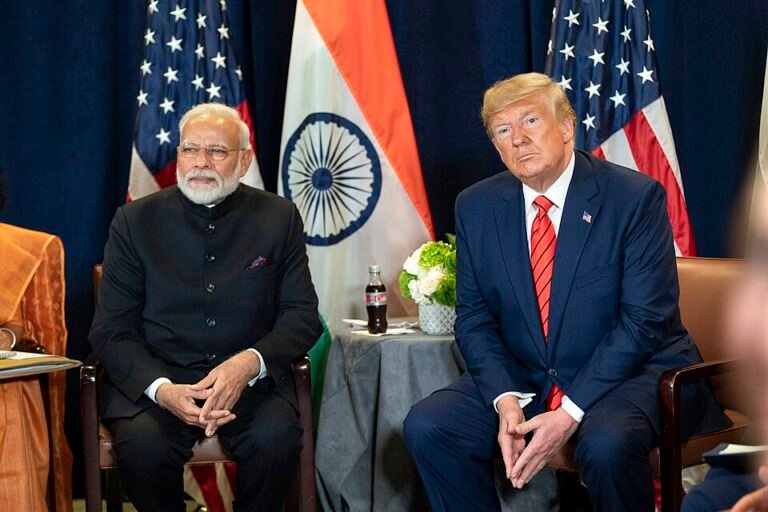
In a move that could significantly alter the dynamics of India–U.S. trade relations, the United States has announced a 25 percent tariff on imports from India, effective August 1. The announcement, made by President Donald Trump, also includes an additional but unspecified penalty tied to India’s continued defense and energy engagements with Russia.

President Trump accused India of maintaining high tariffs and stringent non-tariff barriers, calling them among the “most obnoxious” in the world. He described the measure as a necessary corrective to what he termed an “imbalanced” trade relationship. The tariffs, which apply across a range of sectors, have raised alarms in New Delhi and sparked concerns within India’s export industry.

India’s Commerce Ministry responded by stating that it is carefully evaluating the implications of the U.S. decision and reiterated its commitment to a “fair and mutually beneficial” trade agreement. Indian officials said they have safeguarded sensitive sectors such as dairy, cereals, millets, pulses, and key strategic exclusions including energy fuels, marine vessels, smartphones, and optical fibers.

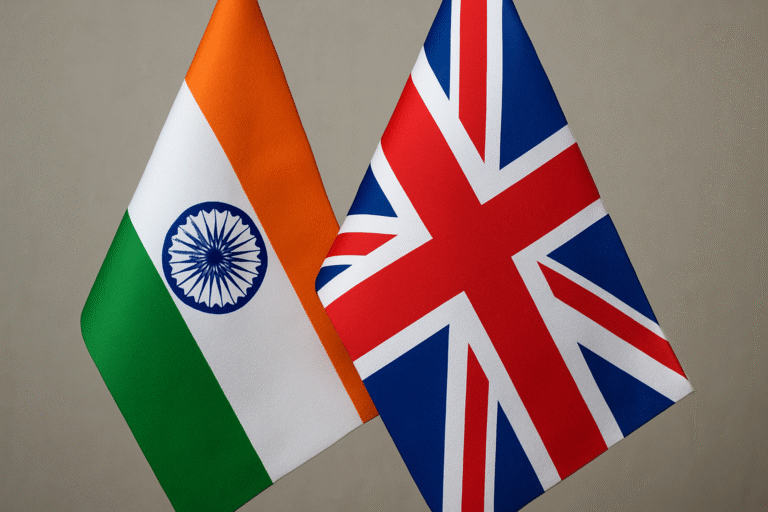
The tariff decision comes even as India and the UK move closer to finalizing a Free Trade Agreement, with the British side expected to approve the deal in its Parliament soon. Meanwhile, the latest U.S. move adds uncertainty to India’s broader trade outlook.

Exporters in India are bracing for a difficult period, especially in sectors such as textiles, gems and jewellery, chemicals, ceramics, and electronics. These industries rely heavily on the U.S. market and could now face decreased competitiveness and shrinking margins.

Business leaders in India have called for swift diversification of export destinations, suggesting an increased focus on Europe and ASEAN nations. There is also a growing chorus urging the Indian government to provide relief packages or incentives to affected industries.

Market analysts suggest that this tariff decision is likely a negotiating tactic rather than a final breakdown in talks. However, the move has caused volatility in Indian financial markets and put pressure on the rupee.

This decision follows a broader U.S. policy shift toward aggressive tariff use. A similar package, known as the “Liberation Day” tariffs, had earlier targeted multiple nations and is currently being challenged in U.S. courts for bypassing congressional approval. The current developments have added fuel to the debate within the U.S. about executive overreach in trade decisions.

India is expected to hold high-level consultations in the coming days to map out its strategic and economic response. Trade observers believe that despite the tension, both sides are likely to return to the negotiating table, given their long-standing strategic and commercial ties.

Focus Keywords: US tariffs on India, 25 percent tariff India exports, Indo-US trade tension, Trump tariff India Russia, Indian export sectors, trade retaliation, India economic policy, global trade relations, India Russia energy ties, India UK FTA.

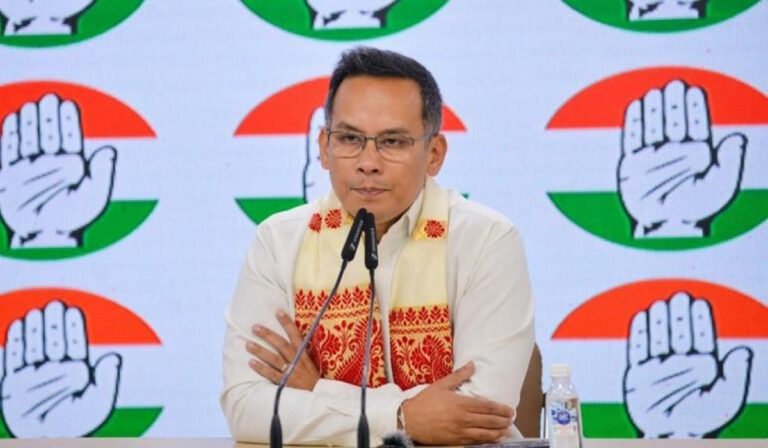
Is Gaurav Gogoi’s Assam Challenge a Distant Dream?

0

As I observe the political currents flowing through Assam, particularly with the 2026 Assembly elections looming, my thoughts often turn to Gaurav Gogoi. Since his decisive victory in Jorhat in the 2024 Lok Sabha polls and his subsequent appointment as the Assam Pradesh Congress Committee (APCC) President in May 2025, he has indeed been relentless. His energy is palpable, his criticism of the ruling dispensation sharp, and his intent to revitalize the Congress undeniable. Yet, despite his admirable work ethic, I can’t shake the feeling that he faces an incredibly steep, almost insurmountable, task.

His win in Jorhat was a significant feather in his cap, proving his individual appeal even in a constituency the BJP had set its sights on. And since then, his journey from Sivasagar to Nagaon, covering numerous constituencies to connect with the grassroots, shows a leader determined to hit the ground running. He’s been vocal on issues that truly matter to the common Assamese – unemployment, inflation, and development, providing a clear alternative narrative to the government’s rhetoric. His rising national profile as Deputy Leader of Opposition in the Lok Sabha only adds to his stature.

However, to carry a party that has been lagging for so long, and to realistically form a government in 2026, feels like a distant dream. The Congress in Assam, for all of Gaurav’s individual strength, still grapples with deep-seated organizational weaknesses, a lack of cohesive strategy at every level, and a historical disconnect from a significant portion of the electorate that has shifted allegiance. While he might inspire hope, the machinery needed to translate that hope into votes, across 126 assembly constituencies, is a mammoth undertaking that simply isn’t built overnight.

That’s not to say we can completely rule him out. Politics, as they say, is the art of the possible, and fortunes can turn. Perhaps the Congress under his leadership could certainly do a little better than their previous outings, perhaps even secure a few more seats, making their presence felt more strongly in the assembly. He’s injecting a much-needed dose of dynamism into a largely moribund party.

Moreover, the recent fierce hand-to-hand combat between BJP and AGP workers in Golaghat offers a telling indication that all isn’t entirely well within the ruling alliance. Such public displays of friction, even if localized, hint at underlying tensions and potential vulnerabilities that a sharp opposition could exploit. If these cracks widen, it might just offer a sliver of opportunity.

But even with internal squabbles in the ruling camp, the BJP’s organizational might and the charisma of the Chief Minister remain formidable challenges. For Gaurav Gogoi to truly lead the Congress to power next year, he’d need not just hard work, but a miraculous shift in political tectonics. While I applaud his efforts and believe he can undoubtedly improve Congress’s standing, forming the government in 2026, from where they stand today, remains a formidable aspiration, rather than a probable outcome.

From a ‘Marwari Party’ to Mass Appeal: How the BJP Built its Electoral Force in Assam

For a long time, the Bharatiya Janata Party (BJP) in Assam was often dismissed, sometimes even derisively, as a “Marwari party” – a political entity whose support base was perceived to be largely confined to the Hindi-speaking business community and a section of upper-caste Hindus, primarily in urban centers. Its electoral footprint was minimal, overshadowed by the decades-long dominance of the Indian National Congress and the rise and fall of regional strongmen. Yet, in a remarkable political metamorphosis, the BJP has not only shed this narrow image but has systematically constructed an unparalleled electoral force, culminating in its maiden victory in 2016 and subsequent consolidation of power in Assam. The multi-faceted strategies of a cash-infused party and a strong grass-root cadre base allowed the party to broaden its appeal and become an inclusive political powerhouse in the state.

Breaking the ‘Marwari’ Stereotype: Early Seeds of Expansion

The perception of the BJP as a “Marwari party” stemmed from BJP’s historical association with conservative business interests and its limited reach beyond certain urban pockets. However, even in its nascent stages, the Rashtriya Swayamsevak Sangh (RSS), the ideological parent of the BJP, had been quietly working at the grassroots in Assam for decades. This patient groundwork, often through social and cultural initiatives rather than overt political campaigning, laid the initial foundation for future expansion. They engaged with various communities, gradually building a network of dedicated cadres.

The BJP recognized that to grow beyond its traditional base, it needed to connect with the diverse ethno-linguistic fabric of Assam. This meant addressing issues that resonated with the broader Assamese society, particularly those concerning identity, land, and the anxieties over demographic changes.

Capitalizing on Anti-Incumbency and the Dearth of Regional Leadership

By the mid-2010s, Assam was ripe for change. The Congress, under the long tenure of Chief Minister Tarun Gogoi, faced significant anti-incumbency. Perceptions of corruption and a lack of decisive action on core Assamese issues, particularly that of illegal immigration from Bangladesh, had alienated large sections of the populace. Crucially, the major regional party, Asom Gana Parishad (AGP), which had once embodied Assamese aspirations during the Assam Agitation, had experienced a fast and significant decline. Plagued by mass-scale corruption, internal bickering, a perceived lack of strong leadership, and an inability to offer a compelling alternative, the AGP had lost much of its former glory and public trust during its various stints in power. This created a profound political vacuum and a dearth of credible regional alternatives that the BJP deftly exploited. Voters, disillusioned with both the national incumbent and the fading regional force, were actively seeking a new direction.

The Masterstroke: Himanta Biswa Sarma and Strategic Alliances

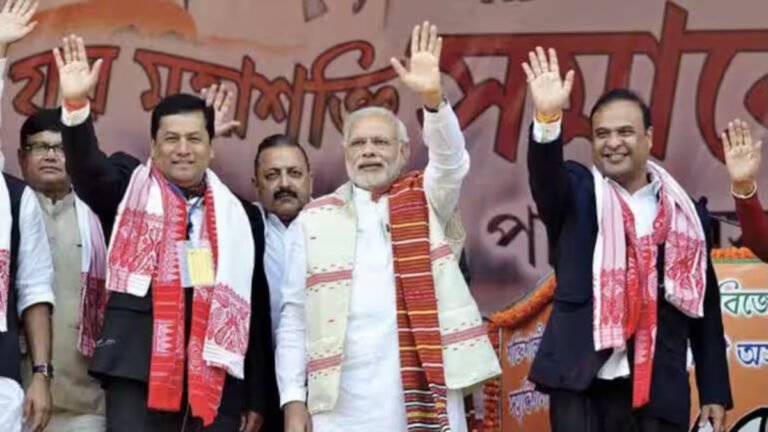
The turning point in the BJP’s journey in Assam was arguably the defection of Himanta Biswa Sarma from the Congress in 2015. A political strategist par excellence with an unmatched understanding of Assam’s intricate political landscape, Sarma brought with him not only a significant chunk of Congress’s cadre but also a blueprint for victory. He became the chief architect of the BJP’s expansion, meticulously building alliances and orchestrating electoral campaigns.

Sarma, under the guidance of the central BJP leadership and particularly Amit Shah, spearheaded the formation of the North-East Democratic Alliance (NEDA) in 2016. In Assam, this translated into crucial alliances with regional parties like the Asom Gana Parishad (AGP) and the Bodoland People’s Front (BPF). This move was a game-changer:

  • Broadening Social Coalition: The alliances allowed the BJP to shed its “outsider” image and present itself as a party aligned with the “sons of the soil.” It brought diverse ethnic groups under a common umbrella, creating a broad social coalition that cut across traditional vote banks.
  • Regional Credibility: Partnering with established regional parties, even a declining one like the AGP, lent the BJP significant local credibility and organizational strength, especially in areas where its own network was still nascent.
  • Co-opting Local Narratives: The BJP skillfully appropriated and championed regional issues that had long been central to Assamese identity politics, particularly the anxieties surrounding illegal immigration and the protection of “Jati, Mati, Bheti” (community, land, and hearth).

The Face of Change: Sarbananda Sonowal and the Infiltration Narrative

The BJP also strategically projected Sarbananda Sonowal as its Chief Ministerial candidate in 2016. Sonowal, a former AASU (All Assam Students’ Union) leader with a strong regionalist background and an image of integrity, was the perfect choice to counter the “Marwari party” tag. He was seen as an indigenous leader committed to protecting Assamese interests.

The narrative of making Assam “infiltrator-free” became a powerful rallying cry. The BJP’s strong stance on the National Register of Citizens (NRC) and later, the Citizenship Amendment Act (CAA), while controversial, allowed it to consolidate Hindu votes, including those of indigenous communities and the numerically significant Tea Tribes who had historically been a Congress stronghold. The party deftly navigated the complexities of these issues, portraying itself as the protector of indigenous rights and the cultural identity of Assam.

Targeted Outreach and Development Agenda

Beyond political alliances and identity politics, the BJP invested heavily in a development-centric agenda:

  • Infrastructure Push: The focus on improving connectivity – roads, bridges (like the Dhola-Sadiya bridge), railways, and airports – resonated with a populace that had long felt neglected. Prime Minister Narendra Modi’s “Act East Policy” positioned the Northeast as a gateway to Southeast Asia, promising economic opportunities.
  • Welfare Schemes: The implementation of central government schemes, alongside state-specific initiatives, aimed to directly benefit various communities. Programmes for Tea Tribes, farmers, and women, for instance, helped expand the BJP’s reach beyond traditional vote bases.
  • Grassroots Mobilization (RSS Backing): The RSS network significantly amplified the BJP’s reach. Through its various wings, the Sangh Parivar engaged in extensive grassroots mobilization, conducting meetings, distributing literature, and establishing social and educational institutions. This sustained engagement helped allay fears and build support, particularly among communities previously unfamiliar with the BJP’s ideology.

Navigating Challenges and Consolidating Power

The BJP’s journey in Assam hasn’t been without its share of controversies, particularly surrounding the CAA. While it helped consolidate Hindu votes, it also led to significant protests from Assamese linguistic nationalists. The party, however, managed to weather these storms by emphasizing the “protection of indigenous communities” alongside the promise of citizenship for persecuted minorities.

Under the leadership of Himanta Biswa Sarma as Chief Minister (since 2021) and the continuous advocacy of leaders like Kiren Rijiju at the Union level, the BJP has continued to expand its base. It has meticulously worked to bring more ethnic groups into its fold, including those from the Brahmaputra and Barak valleys, showcasing a sophisticated understanding of Assam’s diverse electoral arithmetic.

From its perceived niche as a “Marwari party,” the BJP’s transformation in Assam is a textbook case of how a national party can achieve electoral dominance by skillfully integrating regional aspirations, leveraging strong local leadership, and implementing a development-oriented agenda, thereby building a truly inclusive electoral force. The saffron flag now flies high over Assam, a testament to a strategic shift that embraced the state’s complexities rather than merely imposing a pre-defined ideology.

Closing the Gates: India’s Reciprocal Import Restrictions on Bangladesh Reinvigorate Northeast’s Local Industries

When India announced new restrictions on Bangladeshi imports via land ports in May 2025, the directive was met with mixed reactions. For many in Northeast, especially traders and retailers in border states such as Tripura and Meghalaya, the decision sparked concern over potential disruption in the supply of affordable, familiar consumer products. This move by India, however, was not unilateral; it came as a reciprocal measure after Bangladesh had imposed its own set of restrictions and transit fees on Indian goods, including crucial items like cotton yarn and rice, impacting India’s exports and access to its own northeastern states.

Just two months later, a new story is beginning to emerge—one of opportunity, revival, and a potentially seismic shift in regional industry dynamics. As Bangladeshi products lose their competitive edge due to higher logistics costs, local manufacturers appear to be filling the void.

A Sudden Shift in Trade Dynamics, Rooted in Reciprocity

The new Indian regulations, introduced on 17th May, 2025, restrict the import of processed food products, carbonated and fruit-flavoured drinks, readymade garments, plastic goods, and wooden furniture from Bangladesh through land customs stations (LCSs) and integrated check posts (ICPs) located in Northeast and parts of West Bengal. Instead, these products must now enter through sea ports such as Kolkata or Nhava Sheva—routes that entail higher transportation costs and longer delivery timelines.

This policy shift was a direct response to a series of measures implemented by Bangladesh, which included banning Indian cotton yarn imports through five major land ports, curbing rice, paper, tobacco, fish, and powdered milk imports, and imposing a new transit fee of ₹1.8 Taka per tonne per kilometre on Indian cargo. Indian officials emphasized the need for reciprocity, stating that while India had granted Bangladesh broad access to its ports and transit routes, Bangladesh had been selectively restricting market access and transit for India’s northeastern states.

For decades, companies like PRAN–RFL Group, Bombay Sweets, and Sajeeb Group had enjoyed strong penetration in the Northeast, especially Tripura, thanks to cultural familiarity and logistical proximity. From Mr Noodles to Potata chips and Shezan mango juice, Bangladeshi FMCG brands occupied significant shelf space.

Local supply of these goods was often undercut by the lower prices of Bangladeshi imports.

Local Brands Seize the Moment

With Bangladeshi products losing cost competitiveness, homegrown players have moved quickly to fill the supply gap. Several companies based in the region have large distribution networks, and have already reported a spike in snack and biscuit sales in Tripura and lower Assam in just the past six weeks.

Sales of their flagship brands have increased significantly with strong uptake by distributors in Agartala and Karimganj. Retailers are requesting double the usual stock.

Similarly, couple of local companies have now resumed 24-hour production shifts to meet rising demand, particularly in the biscuit segment that was previously dominated by Bangladeshi varieties.

Deepa Das, a small business owner from Agartala notes:”For a long time, the imported plastic goods were just so affordable. Now, I’m noticing more variety in the local plasticware shops, and some of it feels sturdier. It’s a slight price difference, but if it lasts longer and supports jobs here, I’m willing to make that switch.”

The FPO Revolution in Rural North East

Beyond large players, the import void is also benefiting Farmer Producer Organisations (FPOs) supported by the Mission Organic Value Chain Development for North Eastern Region (MOVCD-NER). Many of these cooperatives had struggled to market traditional value-added products—like bamboo shoot pickles, jackfruit chips, and black rice snacks—due to shelf competition from cheaper Bangladeshi alternatives.

Now, FPOs in Meghalaya’s Ri-Bhoi and Assam’s Darrang districts report improved local demand. There are heartning reports thst supermarkets in Shillong have started sourcing organic juices and pickles directly from local cooperatives as imported options have become expensive.

Consumers Respond with Curiosity and Caution

While retailers are shifting inventory, consumers are cautiously adjusting their preferences.

“Honestly, at first, I was a bit annoyed. My kids loved those Bangladeshi juice boxes, and they were so cheap. Now, the local brands are popping up everywhere. The mango juice might not be exactly the same, but it’s pretty good, and I like the idea of supporting something made close by.” says Priya Sarmah, a mother and momemaker from Guwahati.

There is an acknowledgement that while some familiar tastes from imported products are missed, local alternatives are proving to be good, though sometimes in need of better packaging.

Packaging and branding remain critical hurdles for local producers. Many FPOs and SMEs continue to use basic labelling, which limits shelf appeal and shelf life. Still, the trend is clear: the demand void is creating space for regional identity.

Meanwhile Sanjukta Devi a retired teacher from Silchar adds: “I used to get my favorite dry cakes from Bangladesh. When they became scarce, I tried a local bakery’s version. It’s different, but equally delicious, maybe even fresher. It made me realize how much good stuff is made right here that we might have overlooked before.”

A Policy for Protection or Partnership?

India has framed its policy as a move to ensure fairness and reciprocity in trade. This is seen as an effort to recalibrate trade to ensure local businesses get breathing room and that market access is truly reciprocal.

Bangladesh, on the other hand, has expressed concern over the restrictions, particularly given their impact on key export sectors like readymade garments. Several of its top FMCG exporters have now started exploring sea routes, though these are costlier and less efficient.

Trade analysts observe that this restriction has effectively neutralised Bangladesh’s proximity advantage. It is considered a classic non-tariff barrier, and unless logistics are re-optimised, many Bangladeshi brands may lose relevance in the Northeast region.

Conclusion: A Turning Point for Local Industry?

Two months is a short time to declare a full-fledged industrial revival. However, early signs point to resurgent interest in local FMCG manufacturing, supported by policy, supply chain realignment, and shifting consumer attitudes. This reciprocal trade adjustment, triggered by Bangladesh’s earlier restrictions, may ultimately serve as a significant catalyst for Northeast India’s food processing renaissance, fostering self-reliance and boosting regional economic growth. If current sales trends continue, and FPOs successfully scale and brand their offerings, the 2025 import restrictions might be remembered not as a closure, but as a strategic rebalancing act that opened new doors for local industries.


The Saffron Surge: How BJP Forged an Unprecedented Path in the Northeast

For decades, the Northeast, a region of diverse ethnicities, cultures, and complex historical grievances, remained largely a bastion of the Indian National Congress. Its political landscape was fragmented, often dominated by regional parties and local strongmen, with the Bharatiya Janata Party (BJP) holding a negligible presence. Yet, in a remarkable political transformation, the BJP has not only made significant inroads but has emerged as the dominant political force, governing several states directly and as the fulcrum of alliances across the “Seven Sisters” and Sikkim. This strategic penetration is a testament to a multi-pronged approach that cleverly leveraged local aspirations, addressed development deficits, and effectively countered the perceived shortcomings of the long-ruling Congress.

The Congress’s Declining Grip and the Rise of Anti-Incumbency

Before 2014, the BJP held a mere handful of Lok Sabha seats from the Northeast, primarily in Assam. The region was seen as geographically and culturally distant from the BJP’s traditional strongholds in the Hindi heartland. However, simmering anti-incumbency against established Congress and Left Front governments provided an opening. In states like Assam, the Congress had been in power for three consecutive terms, and in Tripura, the CPI(M) had ruled for a quarter-century. Voters were seeking parivartan, and the BJP, with its strong national leadership under Narendra Modi, offered a fresh alternative.

Key Architects of the Northeast Strategy

The BJP’s unprecedented success in the Northeast wouldn’t have been possible without the strategic vision and relentless efforts of several key leaders who deeply understood the region’s unique dynamics:

  • Himanta Biswa Sarma: Arguably the chief architect of the BJP’s expansion in the Northeast, Sarma’s political acumen has been instrumental. A former Congress stalwart, his defection to the BJP in 2015 brought immense strategic depth. He meticulously crafted the North-East Democratic Alliance (NEDA), uniting non-Congress parties and skillfully managing diverse coalition governments. His grassroots connect, negotiating prowess, and ability to articulate regional aspirations while aligning with the national agenda made him indispensable. As the current Chief Minister of Assam, he continues to be a central figure in the BJP’s regional strategy.
  • Sarbananda Sonowal: The first BJP Chief Minister of Assam (2016-2021), Sonowal played a crucial role in establishing the party’s initial footprint in the region. His image as a clean, regional leader, combined with his background in student politics and his strong stance on issues like illegal immigration, resonated deeply with the Assamese populace. He provided a stable and credible face for the BJP’s emergence in the strategically vital state.
  • Kiren Rijiju: As a prominent leader from Arunachal Pradesh and a Union Minister, Kiren Rijiju has been a consistent and vocal advocate for the Northeast at the national level. His presence in the Union Cabinet provided direct representation and ensured that the region’s concerns received attention in Delhi. He has been a key bridge between the central leadership and the diverse communities of the Northeast, helping to build trust and facilitate development initiatives.
  • Ram Madhav: Though not from the Northeast, former BJP National General Secretary Ram Madhav played a significant organizational role. He was instrumental in strategizing the party’s expansion, particularly in states like Tripura, where he was heavily involved in the grassroots campaign that led to the unseating of the CPI(M) government. His focus on organizational strengthening and direct engagement with regional issues provided critical backend support.
  • Other Regional Leaders: Beyond these prominent figures, numerous state-level leaders and dedicated party workers were vital. Their tireless efforts at the grassroots, understanding local nuances, building community relationships, and mobilizing voters, transformed the BJP from a fringe player into a dominant force in one of India’s most complex political landscapes.

Focus on Development and Connectivity: The “Act East” Push

Beyond political maneuvering, the BJP government’s sustained focus on development in the Northeast played a critical role. Prime Minister Narendra Modi’s “Act East” policy emphasized the region’s strategic importance as a gateway to Southeast Asia. This translated into:

  • Massive Infrastructure Investment: Significant funds were allocated for improving connectivity through roads, railways, and air links. The number of operational airports increased, extensive rail and road projects were undertaken, and initiatives like the PM-DevINE (Prime Minister’s Development Initiative for North East Region) were launched with substantial outlays to accelerate sustainable development.
  • Targeted Schemes: The government rolled out schemes specifically tailored for the Northeast, focusing on areas like organic farming, bamboo industry development, skill development, and tourism. These initiatives aimed to address local economic needs and empower communities.
  • Peace and Security Initiatives: Efforts to resolve long-standing insurgency issues and bring various militant groups into the mainstream through peace accords contributed to a more stable environment, conducive to development and political integration.

From Fringe to Force: State-Specific Success Stories

The BJP’s strategy unfolded differently across the states:

  • Assam: The first major breakthrough came in 2016 when the BJP formed its first government in Assam, ending 15 years of Congress rule. The party successfully tapped into anti-incumbency and anxieties over illegal immigration, a potent local issue, while skillfully managing alliances with regional parties.
  • Tripura: The most dramatic victory was perhaps in Tripura in 2018, where the BJP, from having virtually no presence, dislodged the CPI(M) government that had been in power for 25 years. This was achieved through a dedicated grassroots campaign, highlighting the lack of development under communist rule and promising a new era.
  • Arunachal Pradesh: The BJP’s rise in Arunachal Pradesh was swift, with a significant number of MLAs from the ruling Congress defecting to the People’s Party of Arunachal (PPA) which then allied with the BJP. Eventually, many PPA legislators joined the BJP directly, leading to a BJP government. The state has seen continuous BJP rule since.
  • Manipur: In 2017, the BJP formed a government in Manipur for the first time, albeit in a post-poll alliance. The party continued to consolidate its position, leveraging local issues and strategic partnerships.
  • Nagaland and Meghalaya: In these predominantly Christian states, the BJP adopted a more pragmatic approach. Instead of pushing its core ideological tenets, it focused on development and good governance, forming crucial alliances with powerful regional parties like the NDPP in Nagaland and the NPP in Meghalaya, becoming a key partner in coalition governments.
  • Mizoram: While Mizoram remains the only state without a direct BJP government, the party has been steadily increasing its presence and influence, primarily through highlighting development issues like road infrastructure, which has been neglected by successive state governments.

Challenges and the Path Ahead:

Despite its unprecedented success, the BJP’s journey in the Northeast is not without challenges. The region’s diverse ethnic groups and historical sensitivities require constant navigation. Issues like the Citizenship Amendment Act (CAA) and the National Register of Citizens (NRC), while resonating with certain segments, have also sparked significant protests and created fissures in some alliances.

However, by consistently emphasizing development, infrastructure, and peace, and by masterfully forging alliances and co-opting local leadership, the BJP has effectively transformed the political landscape of Northeast India. From a distant periphery, the region has now become a crucial part of the BJP’s national political narrative, demonstrating a successful adaptation of its strategy to a complex and unique geopolitical space. The “saffron surge” in the Northeast stands as a compelling case study in modern Indian politics, showcasing how a national party can establish dominance by understanding and addressing regional aspirations.

UK Parliament Likely to Clear FTA with India Soon, Says Commerce Secretary Barthwal

0

India’s long-awaited Free Trade Agreement (FTA) with the United Kingdom is expected to be approved by the British Parliament soon, according to Commerce Secretary Sunil Barthwal. Speaking at a press conference in New Delhi, Barthwal said the UK is eager to conclude the deal, viewing it as a major step toward advancing its economic interests.

“The UK considers this trade agreement with India as critical to its growth strategy, and they are keen to get it over the line at the earliest,” he said.

Barthwal emphasized that the FTA has been carefully structured to ensure that the strengths and sensitivities of both countries are respected. “It is a balanced agreement that ensures neither side is shortchanged,” he noted.

To ensure Indian businesses can make the most of the FTA, the Commerce Secretary highlighted the importance of educating stakeholders, enhancing capacity building, and training exporters to capitalize on new opportunities once the agreement comes into effect.

He also underlined that India has successfully protected key domestic sectors while negotiating the trade pact. Sensitive industries like dairy, cereals and millets, and pulses have been shielded from potentially adverse competition. Additionally, strategic exclusions were secured for energy fuels, marine vessels, smartphones, and optical fibers, which Barthwal said were necessary to safeguard national interests, MSMEs, and farmers.

The India-UK FTA is part of a broader push by New Delhi to expand its global trade footprint through comprehensive bilateral agreements that align with domestic priorities while opening access to key international markets.

Iran’s Successfully Launches Nahid-2 Satellite Aboard Russian Soyuz Rocket in Multinational Mission

0

Iran marked another milestone in its space ambitions with the successful launch of its telecommunications and research satellite, Nahid-2, aboard a Russian Soyuz rocket on July 25. The launch was part of a larger multi-payload mission from Russia that included Unisphere-M3 and M4 satellites as well as 18 other satellites from various countries.

Nahid-2 is a next-generation communications satellite, developed by Iran’s Ministry of Information and Communications Technology. Designed to remain operational in orbit for up to five years, it features an indigenous propulsion system capable of adjusting its altitude by as much as 50 kilometers. This maneuverability is critical for maintaining its orbital position and ensuring long-term stability of signal and performance.

The Soyuz rocket has become a familiar launch vehicle for Iranian satellites, previously carrying missions such as Khayyam, Pars-1, Kosar, and Hodhod. This cooperation between Iran and Russia in space exploration comes amid deepening geopolitical and scientific ties between the two nations, especially in the face of Western sanctions.

Iranian officials hailed the launch as a “leap in national space capability,” with Nahid-2 expected to provide telecommunication services, environmental data, and enhanced support for domestic scientific research.

The mission also highlighted the expanding international use of Russian launch platforms, as this particular flight saw payloads from Europe, Asia, and the Middle East, underscoring the global demand for affordable and reliable space access through the Soyuz system.

While the launch was celebrated in Tehran, it has drawn international scrutiny as some Western analysts have expressed concerns about potential dual-use technologies in Iran’s satellite development. However, Iranian authorities continue to emphasize that all space initiatives are strictly civilian and peaceful in nature.

Thailand–Cambodia Clashes Continue to Escalate

0

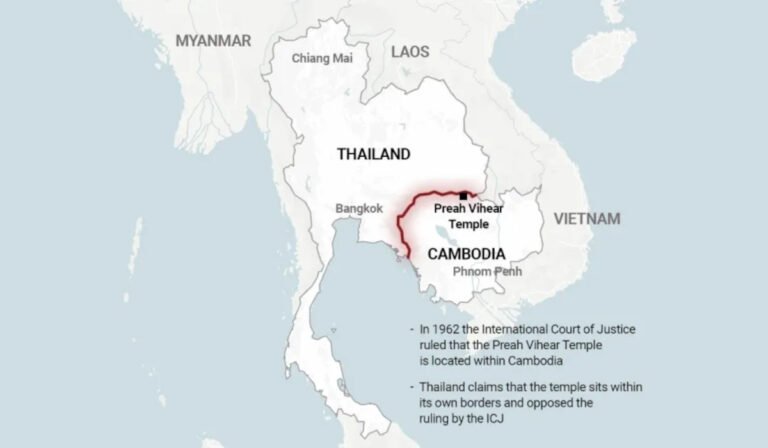
Tensions between Thailand and Cambodia have flared up once again, as cross-border clashes between their armed forces entered a third consecutive day, leading to widespread concern across Southeast Asia. The ongoing skirmishes have already resulted in evacuations from several border villages and mounting diplomatic pressure from regional powers to prevent further escalation.

According to reports from local officials and media in both countries, the latest round of violence erupted following a disputed military patrol along the undemarcated portions of the border in the northern Cambodian province of Oddar Meanchey and adjacent Thai territories. Heavy exchanges of small arms and artillery fire have been reported, with injuries on both sides, although neither government has officially confirmed casualty figures.

The conflict zones, marked by dense forests and poor infrastructure, have long been contested due to overlapping historical claims, particularly around ancient temples and land access routes. Tensions had remained relatively subdued in recent years, but this latest outbreak of violence threatens to undo years of diplomatic progress under the ASEAN peace framework.

In response to the growing crisis, Malaysia’s Foreign Ministry issued a statement on Friday urging both nations to “exercise maximum restraint and return to the negotiating table.” The statement went on to call for an emergency ASEAN meeting to help mediate the dispute and safeguard regional stability.

Thailand’s Defence Ministry blamed Cambodian forces for what it called a “deliberate provocation,” claiming their troops were fired upon while patrolling Thai territory. Cambodian officials, however, denied the allegation and accused Thai soldiers of crossing into Cambodian soil. Both sides have reinforced their border deployments.

The clashes have triggered panic among civilians living near the contested zones. Dozens of families from Cambodian villages have reportedly fled deeper inland, while Thai authorities have begun relocating schoolchildren and the elderly from at-risk areas. Temporary relief shelters have been set up on both sides of the border.

ASEAN observers have expressed concern that the military standoff, if prolonged, could destabilize broader regional cooperation, especially at a time when member nations are grappling with economic recovery challenges and geopolitical shifts in the Indo-Pacific.

Although previous incidents have been resolved through diplomacy, including ASEAN-brokered ceasefires and joint border demarcation talks, analysts fear that heightened nationalism, military posturing, and weak internal political consensus in both countries could complicate de-escalation efforts.

With no ceasefire agreed yet, and field commanders reportedly lacking direct communication channels, the international community is watching closely. The United Nations and key players such as Indonesia and Vietnam are also expected to issue formal responses if the violence continues over the weekend.