


Amit Shah Reviews BJP Poll Strategy Ahead of State Elections

GUWAHATI: Union Home Minister Amit Shah on Friday presided over a high-level strategy meeting of the Bharatiya Janata Party (BJP) in Guwahati ahead of the forthcoming Assam Assembly elections. The gathering brought together top party leaders and organisational functionaries to review election preparedness, cadre mobilization and campaign strategies, as the BJP aims to retain power in the northeastern state.

Our correspondent reports that the meeting was held at a city hotel and saw participation from senior union ministers, state party office-bearers, key members of the National Executive, and BJP central observers appointed for Assam. The agenda included seat sharing prospects, booth management plans, public outreach programmes and issue-based campaign frameworks tailored to Assam’s socio-political landscape.

Amit Shah, who has been actively involved in the BJP’s electoral planning, emphasised the importance of a coordinated effort among the central leadership, state cadre and local workers to secure a decisive mandate for the party. He reviewed progress on voter connect initiatives and directed leaders to intensify field activities, particularly in areas where the party’s presence needs strengthening.

Addressing attendees, Shah underlined that the BJP would focus on key developmental issues such as infrastructure expansion, employment generation, welfare delivery and law-and-order improvements to win over voters. He also stressed the significance of cultural and identity issues that resonate deeply with the electorate of Assam, noting that understanding local aspirations would be crucial for electoral success.

The meeting involved detailed discussions on booth-level management, with cadres urged to engage more effectively with grassroots supporters. Party strategists presented data on past voting patterns and population demographics, which was used to identify priority regions where targeted campaigning could yield results. Leaders also reviewed feedback from recent public meetings and local surveys conducted across the state.

Our correspondent adds that union ministers and central leaders shared their perspectives on campaign messaging and outreach tactics. They highlighted the need for positive and inclusive messaging that emphasises the BJP’s achievements at both the state and national levels, including welfare schemes that directly benefit everyday citizens.

State party president and Assam’s Chief Minister, along with other senior members, outlined plans to expand alliance talks and engage with community leaders to build broad support bases. They discussed the role of youth and women’s wings in mobilising voters and the integration of digital campaigning tools to reach a wider audience.

Amit Shah was reported to have reiterated the party’s commitment to democratic values and transparent election conduct. He encouraged workers to prepare for robust but peaceful political engagement, reminding them of the constitutional framework within which the elections would take place.

The discussions also focused on addressing local concerns such as flood relief measures, agricultural support, rural development, job creation, and education infrastructure. Participants agreed that a clear articulation of policy priorities to voters would be essential to counter opposition narratives and strengthen the BJP’s position.

Senior party functionaries told reporters after the meeting that the BJP was ready to take on the challenge of the upcoming Assembly elections with a well-defined strategy. They expressed confidence that the party’s performance in governance and ability to communicate its vision effectively would resonate with the electorate.

Political analysts observing the developments in Assam noted that the BJP’s organisational push signified its intent to build momentum early in the election cycle. With the elections approaching, strategic coherence among central and state leadership was seen as a key factor that could tip the balance in the BJP’s favour.

The meeting concluded with Amit Shah emphasising thorough follow-ups and regular reviews to ensure that implementation of plans on the ground kept pace with the party’s strategic aspirations. Leaders were tasked with returning to their respective regions to fully activate the campaign machinery and engage with voters ahead of the formal campaign period.

Assam Rifles Destroys Illegal Ganja Cultivation Worth ₹27 Crore in Tripura

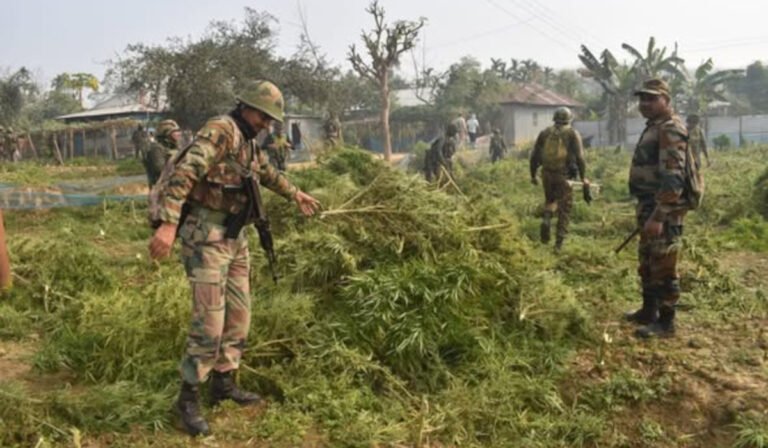
AGARTALA: In a major anti-narcotics operation, personnel of the Assam Rifles, in coordination with state and central agencies, have destroyed large-scale illegal ganja cultivation in Tripura’s Sepahijala district, dealing a significant blow to organised drug networks operating in the region. Officials said the illicit cultivation destroyed during the operation was estimated to be worth ₹27 crore in the illegal market.

Our correspondent reports that the joint operation was carried out in forested areas under Kamalnagar and Bijoynagar, located around forty-eight kilometres south of Agartala. Acting on specific intelligence inputs, teams from the Assam Rifles, Tripura Police, Tripura State Rifles, Border Security Force and the Forest Department launched a coordinated drive to identify and eliminate cannabis plantations hidden deep inside forest land.

During the operation, security personnel uprooted and destroyed nearly one lakh eighty thousand ganja plants, spread across multiple patches of encroached forest areas. Officials said the cultivation was systematically organised, indicating the involvement of well-established networks that use remote and difficult terrain to evade detection.

A senior Assam Rifles official said the operation reflects the force’s sustained commitment to combating drug trafficking and preventing misuse of forest land. “This coordinated action demonstrates our resolve to dismantle illegal cultivation and disrupt the supply chain of narcotics. Such operations will continue in close cooperation with civil and security agencies,” the official said.

The operation was conducted over several hours, with teams combing dense vegetation to ensure that no cultivation patches were left intact. Officials said special care was taken to document the extent of the destroyed crop and to secure the area to prevent re-cultivation. Forest officials accompanying the teams assessed the environmental damage caused by illegal farming and initiated steps for restoration.

Our correspondent adds that the Sepahijala district has emerged as a key focus area in recent months as authorities intensify efforts against narcotics cultivation. Security agencies have observed a pattern of repeated attempts to grow cannabis in forest land due to its high commercial value and relative ease of concealment.

Officials said that while local consumption of ganja in Tripura is limited, large quantities are cultivated for trafficking to other states where demand and prices are significantly higher. Several consignments of processed ganja have been intercepted in recent months during transportation attempts, prompting tighter surveillance and intelligence-based operations.

Residents of nearby villages have, in the past, cited economic hardship as a reason for involvement in illegal cultivation. However, authorities stressed that such activities not only violate the law but also damage forest ecosystems and contribute to wider criminal networks. “Encroachment and illegal cultivation degrade forests and threaten biodiversity. We are equally focused on protecting the environment and ensuring law and order,” a forest department official said.

The crackdown is part of a broader campaign under the Narcotic Drugs and Psychotropic Substances Act, which strictly prohibits cultivation, possession, transport and sale of cannabis. Officials noted that violations under the Act carry stringent penalties, including long prison terms and heavy fines, underscoring the seriousness of the offence.

Senior police officers emphasised that coordinated, multi-agency action is essential to address narcotics challenges in border and forested regions like Tripura. “No single agency can tackle this alone. Intelligence sharing and joint field operations are critical to breaking the cycle of illegal cultivation and trafficking,” an officer said.

Authorities indicated that similar operations are planned in other vulnerable pockets of the state in the coming weeks. Surveillance has been intensified, and local administrations have been instructed to remain vigilant against any attempts to revive illegal cultivation.

Our correspondent reports that the successful destruction of ganja cultivation worth ₹27 crore sends a strong message to drug networks that security forces are actively monitoring and acting against such activities. Officials said sustained enforcement, along with awareness and alternative livelihood initiatives, will be key to ensuring that illegal cultivation does not re-emerge.

The operation marks another step in the state’s ongoing efforts to curb narcotics, protect forest resources and maintain public safety, with security agencies reaffirming their commitment to continue strict action against drug-related crimes.

Meghalaya to Host International Conference on Nature-Based Solutions for Himalayan Resilience

0

SHILLONG: The Government of Meghalaya will host an international conference titled “Scaling Nature-Based Solutions for Himalayan Resilience” on January 30 and 31, bringing global and regional attention to the urgent need for sustainable and integrated responses to climate challenges in the Himalayan region. The two-day conference will be held in Shillong and is expected to draw a diverse group of participants, including policymakers, academics, development practitioners, private sector representatives, youth leaders and community stakeholders from across the Indian Himalayan Region and the wider Hindu Kush Himalaya.

The conference is being jointly organised by the Meghalaya Basin Development Authority (MBDA) and the International Centre for Integrated Mountain Development (ICIMOD). Organisers said the event aims to create a common platform for dialogue and collaboration on scaling up Nature-Based Solutions (NbS) as a core strategy to enhance climate resilience, protect biodiversity and secure sustainable livelihoods in fragile mountain ecosystems.

Our correspondent reports that the Indian Himalayan Region is among the most climate-vulnerable landscapes in the world. Increasingly erratic rainfall patterns, frequent extreme weather events, ecosystem degradation, biodiversity loss, floods and landslides have placed mounting pressure on water security, food systems and human settlements. These challenges, experts say, demand landscape-level responses that can simultaneously strengthen ecological integrity and improve human well-being.

Nature-Based Solutions have gained global recognition as an approach that works with natural systems rather than against them. Rooted in ecological design principles, NbS seeks to deliver multiple benefits at once, including climate adaptation and mitigation, ecosystem restoration and livelihood security. Across the Himalayan belt, several NbS practices are already being implemented, such as springshed management, watershed and landscape restoration, agroforestry models and community-based conservation initiatives.

However, organisers noted that many of these interventions remain fragmented or confined to individual projects. Weak linkages with policy frameworks, financing mechanisms and cross-sectoral planning often limit their long-term impact and scalability. The upcoming conference aims to address these gaps by focusing on the design principles of NbS and the enabling conditions required to take them to scale, including institutional arrangements, governance systems, financing models, technology integration and partnerships.

Meghalaya has been identified as a strong and relevant host for the conference due to its evolving institutional approach to landscape and natural resource management. Through the Meghalaya Basin Development Authority, the state has implemented several flagship initiatives that demonstrate how NbS can be operationalised at scale. Programmes such as the MegARISE project showcase coordinated interventions that combine afforestation, soil and water conservation, springshed revival, agroforestry systems, payment for ecosystem services, sustainable livelihood promotion, participatory finance and GIS-based natural resource management.

Our correspondent adds that at the regional level, ICIMOD brings extensive experience in advancing Nature-Based Solutions across the Hindu Kush Himalaya. Through science-based, inclusive and partnership-driven approaches, ICIMOD has supported regional cooperation and knowledge exchange on NbS. Its initiatives, including the Himalayan Resilience Enabling Action Programme (HI-REAP), have contributed to developing investment models and policy frameworks aimed at scaling up NbS across mountain regions.

Over the course of two days, the conference will feature high-level policy dialogues, thematic technical sessions, community perspectives, youth engagements and focused discussions on financing and technology for Nature-Based Solutions. Organisers said the programme has been designed to ensure that voices from grassroots communities are heard alongside those of policymakers and experts, reflecting the people-centred nature of NbS approaches.

The conference is structured around a three-tier outcome framework. The first outcome focuses on developing actionable pathways for implementing Nature-Based Solutions in Meghalaya. The second aims to generate policy- and finance-oriented recommendations for scaling NbS across the Indian Himalayan Region. The third seeks to strengthen regional collaboration and cooperation on mountain-specific NbS strategies across the wider Himalayan landscape.

Officials associated with the conference said the event is intended to move beyond discussion and towards action. By bringing together stakeholders from policy, practice, finance and communities, the conference seeks to build a shared, action-oriented agenda that can guide long-term investments and policy decisions.

As climate risks intensify across the Himalayas, organisers said the need for integrated and scalable solutions has never been greater. The Shillong conference is expected to play a key role in shaping future strategies that harness the power of nature to build resilience, protect ecosystems and secure sustainable futures for mountain communities across the region.

Protests Across Uttarakhand Seek Arrest in Ankita Bhandari Murder Case

0

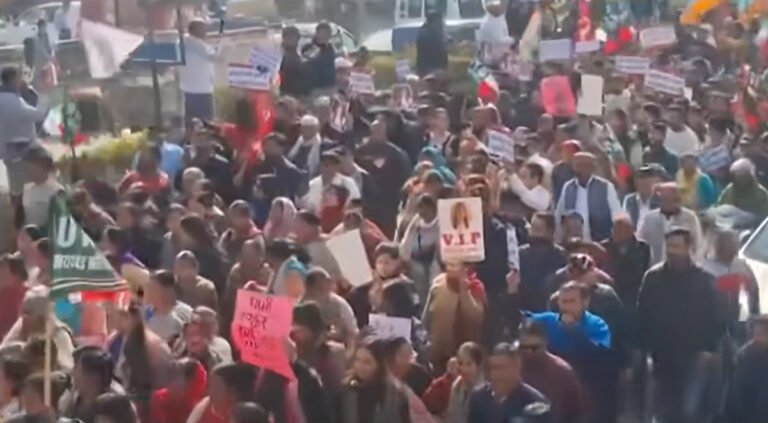
DEHRADUN: Widespread protests erupted across Uttarakhand on Sunday as citizens, activists and political groups demanded the arrest of an alleged VIP in connection with the Ankita Bhandari murder case, intensifying pressure on the state government over what protestors described as incomplete justice and unanswered questions.

Large gatherings were reported in Dehradun, Almora, Salt, Dwarahat and several other towns, where demonstrators took to the streets raising slogans seeking accountability and transparency. The protests reflected sustained public anger over the handling of the case, despite the conviction of the three main accused earlier.

Ankita Bhandari, a 19-year-old receptionist at a resort near Rishikesh, was murdered in September 2022. While the resort owner and two employees were later convicted and sentenced to life imprisonment, protestors argue that the investigation failed to address alleged involvement of an influential individual, often referred to as a “VIP” in public discourse.

Our correspondent reports that in Dehradun, hundreds of protestors attempted to march towards the Chief Minister’s residence. Police erected barricades near Hathibarkala to prevent the crowd from advancing further. Tensions rose as demonstrators tried to breach the barricades, leading to brief scuffles between police personnel and protestors. Additional security forces were deployed to prevent escalation.

Protestors carried placards demanding a fresh investigation and called for the case to be handed over to the Central Bureau of Investigation. Many accused the authorities of shielding powerful interests and said justice would remain incomplete unless all alleged links were thoroughly examined.

Our correspondent adds that parallel protests were organised outside district magistrate offices and government buildings in several parts of the state. In some locations, opposition party workers staged sit-ins and raised slogans demanding the arrest of the alleged VIP. Effigies were also burnt at a few protest sites, reflecting rising public frustration.

Demonstrations were not limited to Uttarakhand. In New Delhi, members of Uttarakhand migrant organisations gathered at Jantar Mantar, echoing similar demands. Speakers at the protest alleged that influential figures had escaped scrutiny and urged central authorities to intervene to ensure an impartial probe.

Several women’s groups and student organisations participated prominently in the protests. They said the case symbolised a broader concern about women’s safety and accountability when influential individuals are allegedly involved. Protestors said they would continue demonstrations until their demands were addressed.

Political reactions followed swiftly. Leaders from opposition parties accused the state government of failing to act decisively and demanded a court-monitored investigation. They said public confidence in the justice system had been eroded by repeated allegations of cover-up and delay.

Police officials, however, maintained that the investigation had been conducted thoroughly. They reiterated that no evidence had emerged to support claims of VIP involvement and said all findings had been placed before the court. Officials also warned against spreading unverified information, stating that misinformation could disturb public order.

Our correspondent reports that authorities increased police presence in sensitive areas and appealed to citizens to maintain peace. Senior officials said law and order remained under control, though they acknowledged the intensity of public sentiment surrounding the case.

Activists said the renewed protests were triggered by recent public statements and social media discussions that revived questions about the role of influential individuals. They said earlier assurances by authorities had failed to convince the public that the case was investigated without bias.

Families of the victim and their supporters reiterated that they were not seeking political confrontation but justice. They said accountability must apply equally to all, regardless of social or political status.

Organisations backing the protests announced plans to intensify agitation in the coming days. A state-wide bandh has been proposed later this month if the government does not respond to the demands.

As protests continued across Uttarakhand, the Ankita Bhandari case once again emerged as a focal point of public discourse, underscoring persistent concerns about transparency, influence and trust in the justice delivery system.

12-Hour Bandh Against Illegal Immigrants Brings Itanagar To A Halt

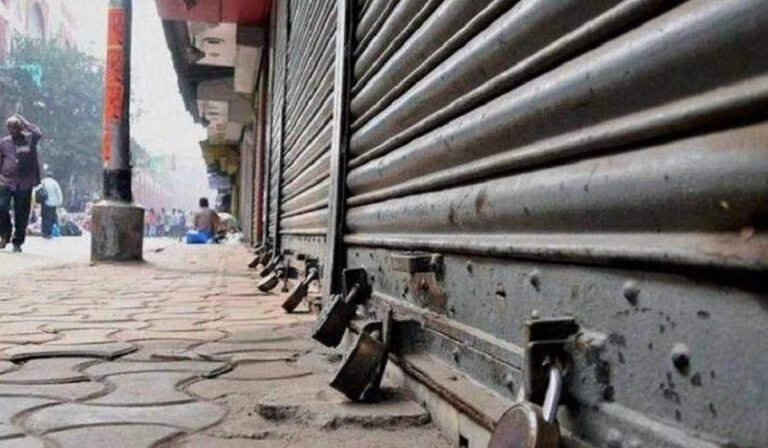
ITANAGAR: A 12-hour bandh called by three youth organisations brought Itanagar, the capital of Arunachal Pradesh, to a complete halt on Tuesday, disrupting transport, business activity and daily life across the region.

The bandh was enforced by the Arunachal Pradesh Indigenous Youth Organisation, the Indigenous Youth Force of Arunachal and the All Naharlagun Youth Organisation. Their demands included the removal of the Jama Masjid at Nigam Colony in Naharlagun, a ban on weekly markets in the capital complex and action against individuals they claimed were illegal immigrants.

Shops, markets and business establishments remained closed throughout the day as the bandh took effect. Public transport stayed off the roads, leaving commuters stranded and major roads sparsely populated. Police and paramilitary personnel were deployed across Itanagar, Naharlagun and neighbouring areas as a precaution. Authorities reported no major incidents of violence during the shutdown.

The organisations had originally planned a bandh on November 25 but postponed it after the state government offered to hold discussions. A meeting scheduled on December 5 with the Home Minister did not take place because of his election duties. The groups later announced the December 9 bandh, calling it a movement to protect the interests of the indigenous people of Arunachal Pradesh.

Ahead of the protest, the district administration declared the bandh “illegal and unlawful”, citing Supreme Court rulings that restrict such shutdowns due to their impact on the public. Officials said the bandh would disrupt essential services, harm daily-wage earners and affect ongoing municipal elections. The administration urged residents to continue their normal activities despite the shutdown call.

However, the appeal had little effect as most markets, weekly bazaars and commercial hubs remained closed. Business owners and transport unions largely stayed away from operations, many expressing concerns about public safety and possible unrest. Civil society groups and market associations urged the protestors to withdraw the bandh, saying it created avoidable hardship for ordinary citizens.

During the day, roads that typically witness heavy traffic stayed empty, and the usually busy commercial belts of Itanagar and Naharlagun appeared deserted. Economic losses were felt immediately, particularly by small vendors and daily-wage workers who depend on daily earnings. Students and office-goers also faced difficulty reaching their destinations.

Security forces stayed on alert across the capital region, monitoring sensitive areas and maintaining strict surveillance. Officials said they were prepared to respond to any law-and-order situation but emphasised that the bandh passed without major disruption apart from the shutdown itself.

As the bandh ended in the evening, normal activity slowly resumed. Markets reopened, and traffic returned to the streets, though the impact of the day-long halt continued to affect trade and public mobility. Many residents expressed concern about the rising frequency of shutdown calls in the region and the economic burden they place on local communities.

The youth organisations behind the bandh have indicated that they will continue pressing their demands unless the state government responds formally. The administration has urged dialogue and appealed to all stakeholders to maintain peace and follow lawful methods of protest.

BJP Seeks ED Probe Into Illegal Coal Trade in Meghalaya

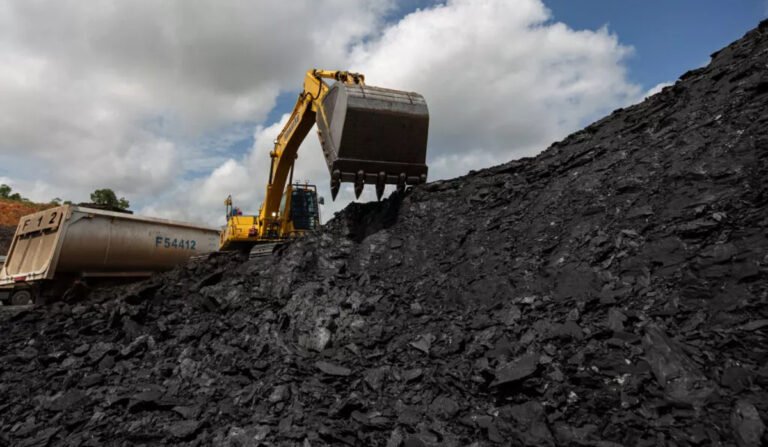
SHILLONG: The Meghalaya unit of the Bharatiya Janata Party (BJP) has intensified its demand for a full-fledged investigation by the Enforcement Directorate (ED) into what it describes as widespread illegal coal mining and transportation across the state. The party alleged that despite persistent complaints and mounting evidence, the state government has failed to act decisively against the expanding network behind the illegal trade.

State BJP vice-president and Tura MDC Bernard Marak, who heads the party’s committee probing coal-related violations, said the committee has already submitted its first report to the central government, while work on a more detailed second report is underway. According to Marak, the initial inquiry in Garo Hills uncovered allegations of cash payments being made to various officials to allow illegal coal movement.

He claimed that the committee’s findings point to a “well-organised system” in which police personnel allegedly receive ₹4,000 per truck, deputy commissioners ₹1,000, and MLAs ₹2,800, enabling trucks to pass unchecked. Marak said the scale of the racket is apparent when “around 60 trucks move in a day but challans are issued for only two,” calling the discrepancy “too large to be ignored.”

Marak said the committee is collecting “ground-level evidence” from active quarries to identify the precise locations of illegal extraction. “Whenever we raise the issue, the government denies it. But the scale of the illegal activity is an open secret,” he asserted. He added that high-profile individuals may be involved and that concrete evidence is being gathered on how money changes hands and which routes are being used to transport coal without documentation.

He emphasised that the committee is prioritising hard proof. “Without solid evidence, the government will not act. That is why we are focusing on verifiable data that can be placed before both state and central authorities,” Marak said.

The BJP leader pointed out that if coal movement were conducted legally, it would generate substantial revenue for the Garo Hills Autonomous District Council (GHADC). Instead, illegal mining and transport are depriving the council of funds. He said an FIR has already been filed in the matter and cited evidence of trucks either moving without challans or carrying loads far above permissible limits.

Marak further alleged that the state government has “encroached on the district council’s revenue sources” while failing to prevent illegal operations even within areas under the council’s jurisdiction. He said district council staff attempting to check suspicious trucks have reportedly been stopped from doing their duty. “Tribal institutions are being systematically exploited,” he said.

Despite his strong criticism, Marak said the party still hopes the state machinery will act. “We continue to trust the state institutions, which is why complaints are being submitted here first. But if no action is taken, we will be compelled to submit all evidence directly to the Centre. The government’s response will reveal who is shielding whom,” he remarked.

The BJP reiterated that illegal coal extraction and transportation “cannot be allowed to continue,” and stressed that central intervention, including an ED investigation, may become necessary if the state government does not take corrective steps.

The Meghalaya BJP had formed a 10-member fact-finding committee in February to investigate coal-related irregularities. The panel, initially given 40 days to complete its work, was later granted an extension after disruptions affected its field visits and data collection.

The party maintains that unless stringent action is taken, illegal coal operations will continue to flourish “unchecked and unchallenged” in Meghalaya.

Guwahati Police Issue Traffic Plan for Post Malone Concert

GUWAHATI: As excitement builds for today’s concert by Post Malone in the city, the Guwahati Police have issued a set of traffic guidelines to ensure smooth movement and public safety during the event. The alert aims to help residents and concert-goers plan their travel around the city on a likely busy night.

Our correspondent reports that police officials have warned of possible congestion near the concert venue and along major approach roads. They advise motorists to avoid certain stretches during peak arrival and departure hours, and to follow alternative routes where feasible. Dedicated parking zones have been designated, while unrestricted roadside parking will be prohibited to minimise traffic jams.

In a public advisory, police stressed the need for cooperation from the public. “We request everyone coming for the concert to follow the traffic plan, use stipulated parking lots, and avoid unnecessary movement on congested arteries,” an official said. Authorities added that any violation, such as illegal parking or driving in restricted lanes, will result in immediate action, including fines and towing.

Our correspondent adds that the traffic plan also accounts for pedestrian movement. Security and traffic personnel will be deployed at key junctions and near the venue to manage crowds, assist elderly or differently-abled attendees, and direct foot traffic safely. Temporary barricades may be installed on narrow stretches to ensure smooth vehicular flow.

To ease public transport pressures, city buses and shared vehicles are being encouraged to operate additional services around the concert’s start and end times. The police advisory suggested concert-goers consider public transport or car-pooling to reduce the number of vehicles commuting to the venue. “It’s not only about convenience, reducing traffic benefits the entire city,” the notice highlighted.

Our correspondent reports that local residents have welcomed the move. Many said that previous large-scale events had caused gridlock, long waits, and emergency-services delays. “If people follow the advisories, and parking is managed properly, this concert need not turn into a traffic nightmare,” said one resident. Others, however, called for more clarity on timings and clear signage to help those unfamiliar with city routes.

Concert organisers also issued a note requesting attendees check updated traffic instructions and arrive well ahead of show time. They urged people to keep venue entry passes and identity proofs ready, and comply with vehicle-check procedures at the entry points.

Our correspondent adds that the police plan to review the traffic layout post-event to understand what worked and what needs improvement. That feedback, they said, will inform future crowd-management strategies for concerts and other mass gatherings in Guwahati.

For now, with coordination between police, organisers and the public, the city hopes to manage the expected crowd surge with minimal disruption, ensuring that fans of Post Malone enjoy the concert, and that everyday city life can continue smoothly elsewhere.

Malone’s team members visit Kamakhya Temple

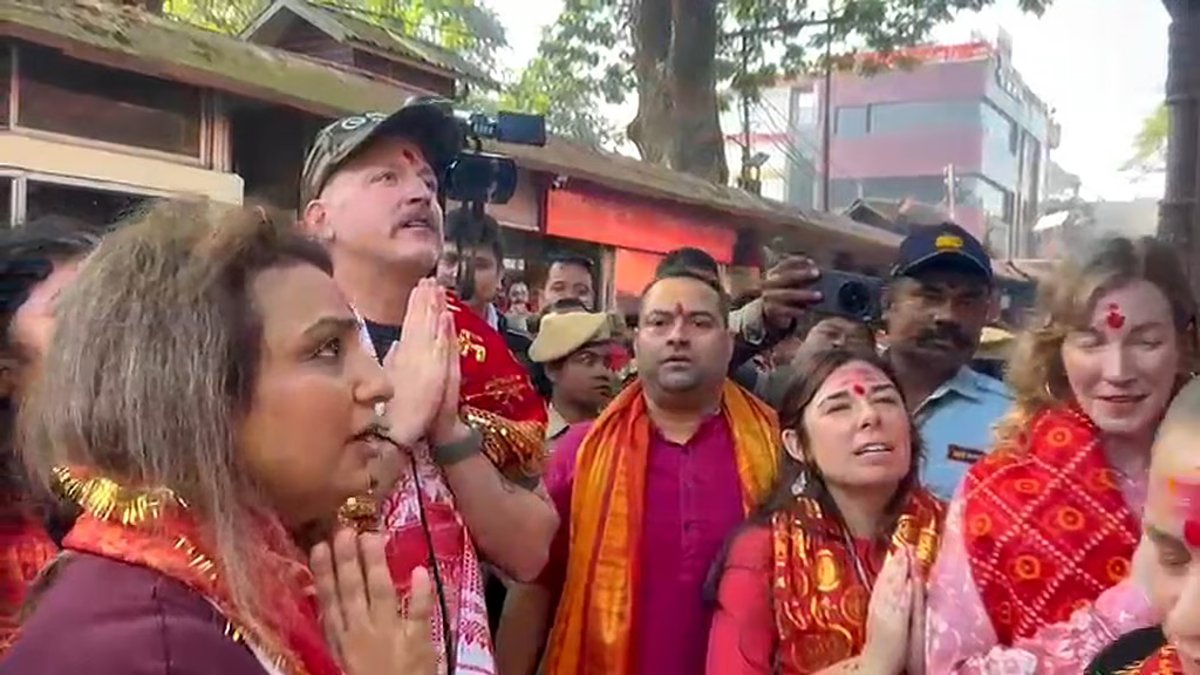
Post Malone's team at Kamakhya TempleMeanwhile, the singer-rapper’s team visited the revered Kamakhya Temple on Sunday ahead of the artiste’s much-anticipated concert in the city.
The team, comprising two accompanying artistes, Post Malone’s manager and three members of the production crew, offered prayers at the historic shrine atop Nilachal Hill. The group also performed a circumambulation of the main temple, seeking divine blessings for the success of the upcoming show.

The visit came just hours before Guwahati prepared to host Post Malone’s first-ever solo performance in India, generating massive excitement among fans across the Northeast.

Lawngtlai DEO Holds Meet for LADC–MDC Elections

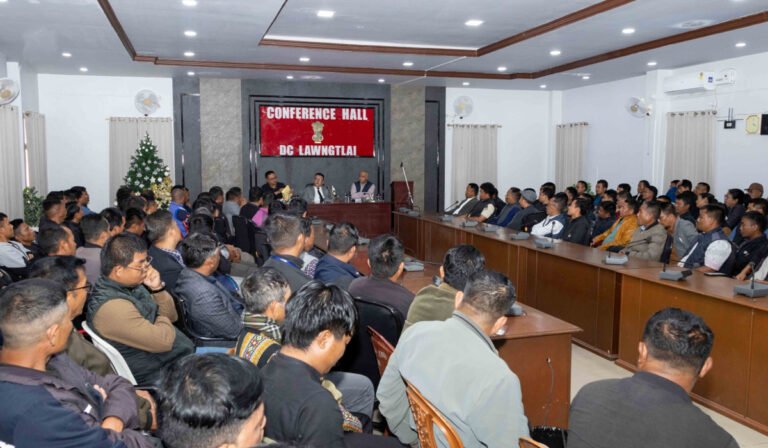
LAWNGTLAI: In connection with the LADC–MDC Election 2025, a meeting with Counting Agents and Election Agents was held here on Sunday at the DC Conference Hall under the chairmanship of Shri Donny Lalruatsanga, District Election Officer (DEO).

Donny Lalruatsanga expressed his appreciation to all party representatives for their cooperation in ensuring a peaceful and smooth polling process. He stated that the successful and orderly conduct of polling was made possible due to their support. Emphasizing the importance of maintaining transparency, he urged all to continue working with sincerity. He further highlighted that all necessary arrangements for accurate and fair counting have been completed and specifically encouraged Counting Agents to discharge their duties diligently on Counting Day.

Election Officer (EO) Collin Hlychho also briefed the members, stating that all required instructions, guidelines, and arrangements for counting have been fully prepared. He conveyed gratitude for the positive cooperation received from the Election Agents throughout the election process.

Important guidelines and instructions for Counting Agents were also clarified during the meeting.

The meeting concluded with a note of appreciation from Donny Lalruatsanga, acknowledging the active participation of the Election Agents and Counting Agents.

EC Stresses EVM Protocols Ahead of Assam Assembly Polls in 2026

GUWAHATI: As part of the preparedness process for the ensuing General Elections to the Assam Legislative Assembly in 2026, senior officials from the Election Commission of India (ECI), Election Department, Assam, and other officials gave a detailed presentation on various aspects of Electronic Voting Machines (EVMs) and Voter Verifiable Paper Audit Trail (VVPAT) machines to the District Election Officers (DEOs) and Deputy District Election Officers (DDEOs) of the state in Guwahati today.

At the conclusion of the presentation, the office of the Election Department, Assam, stated, “As a critical step in the preparedness for the ensuing General Elections to the Assam Legislative Assembly in 2026, a comprehensive full-day workshop on the First Level Checking (FLC) of EVMs and VVPATs was successfully conducted today in Guwahati on December 7, 2025, for all the District Election Officers and Deputy District Election Officers/FLC Supervisors of Assam.”

The day-long workshop was attended by all the DEOs of Assam and DDEOs/FLC Supervisors of 35 districts where FLC is scheduled from December 11, 2025, to January 10, 2026, in different phases. The recognized political parties will be informed regarding their presence and participation in the FLC, and the process will be carried out in the presence of the representatives of the political parties. During the session, ECI stressed the message for strict adherence to the EVM handling protocols and maintenance of proper transparency measures by the DEOs and other officials following all laid-down guidelines.

Maneesh Garg, Sr Deputy Election Commissioner, ECI, and Anurag Goel, Chief Electoral Officer, Assam, presided over the workshop. PC Mandal, DGM, Electronics Corporation of India Ltd. (ECIL), and Sulakshana Borpatragohain, Joint Chief Electoral Officer, Assam, participated in the workshop. Detailed presentations were made on the various aspects of EVMs and VVPATs during the workshop, including procedures to be followed in EVM handling for ensuring better transparency. Technicians from ECIL, Hyderabad, provided technical guidance.

Arunachal Sees Major Infra Boost as 32 BRO Projects Inaugurated by Rajnath Singh

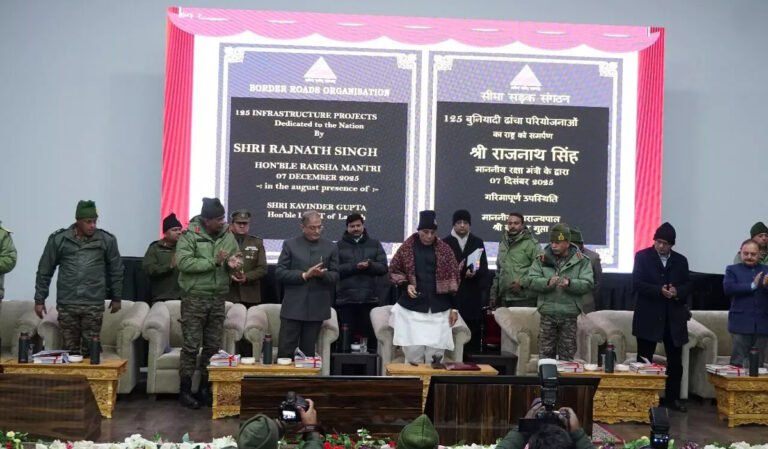
ITANAGAR: Arunachal Pradesh received a significant infrastructure push on Sunday as Defence Minister Rajnath Singh virtually inaugurated 32 newly completed projects of the Border Roads Organisation (BRO). These works form part of a wider package of 125 strategic infrastructure projects that Singh dedicated to the nation from a ceremony held in Ladakh.

A parallel event was organised by the 44 Border Roads Task Force at Aalo in West Siang district to mark the occasion. State Law and Justice Minister Kento Jini, who attended the programme, said the new assets would considerably strengthen operational readiness along the India–China frontier. According to him, the projects will “ensure seamless connectivity for troops and civilians alike,” particularly in the remote and rugged terrains of Shi Yomi and Upper Siang districts.

Out of the 32 projects in Arunachal Pradesh, several were constructed under Project Brahmank. These include the 35-metre Shene Nallah bridge on the Tato–Mechukha Road in Shi Yomi district, as well as a series of bridges on the Ditte Dimme–Migging Road in Upper Siang: the 15-metre Ritbung bridge, the 40-metre Rabung bridge, the 40-metre Seyo Nallah bridge, the 20-metre Sirak Nallah bridge and the 10-metre Raboung Nallah bridge. Another key structure, the 45-metre Naglung Ri bridge on the Tuting–Bona Road, was also executed under the same project.

The remaining infrastructure works in the state were completed by Project Vartak, Project Arunank, and Project Udayak, and include a mix of road stretches and a helipad facility.

The Defence Ministry noted that the entire bouquet of 125 projects spans multiple states and Union Territories, including Ladakh, Jammu and Kashmir, Sikkim, Himachal Pradesh, Uttarakhand, Rajasthan, West Bengal and Mizoram. The package comprises 28 roads, 93 bridges and four miscellaneous works, collectively valued at around ₹5,000 crore.

Praising the BRO’s rapid pace of construction, Rajnath Singh said the organisation’s growing reliance on modern engineering tools and innovative construction practices has shortened project timelines significantly. He emphasised that such infrastructure is crucial not only for national security but also for improving connectivity and economic prospects in remote border areas.

With these additions, Arunachal Pradesh is expected to benefit from smoother transportation, improved mobility for security forces and enhanced civilian access to previously difficult regions, reinforcing both strategic preparedness and regional development.