India’s Largest Hydropower Project Nears Launch as Centre Reviews Subansiri Readiness

The Subansiri Lower Hydroelectric Project, India’s largest hydropower venture with an installed capacity of 2,000 MW, is on the brink of becoming operational. On Sunday, a senior delegation from the Ministry of Power, led by Secretary Pankaj Agarwal, visited the dam site at Dollungmukh on the Assam–Arunachal Pradesh border to inspect final preparations.

Accompanied by NHPC Chairman and Managing Director Rajendra Prasad Goyal and Director (Projects) Sanjay Kumar Singh, Agarwal conducted a comprehensive review to ensure that all systems are ready for commissioning. The Subansiri project, being developed by NHPC Limited, has long been considered a cornerstone in India’s push for clean energy in the Northeast.

Local leaders, including Dollungmukh Zilla Parishad Member Nido Aruni Bini and MLA Rotom Tebin, welcomed the officials and reiterated the region’s expectations from the long-awaited project. Tebin drew attention to the upcoming 1,700 MW Kamala Hydroelectric Project in Kamle district and emphasized the urgent need to upgrade the Tamen–Dollungmukh Road, which is crucial for logistical access and regional development.

He urged the central government to prioritize the road project, saying it would not only facilitate the Kamala project but also boost connectivity and economic activity across the remote border districts.

Responding to the concerns, Secretary Agarwal assured that the Power Ministry would work with the Ministry of Road Transport and Highways to accelerate the road’s construction and ensure coordinated development planning in the region.

Agarwal’s two-day tour also included a stop on Saturday at the NHPC’s Siang Basin Projects office in Pasighat, East Siang district, where he reviewed progress on a cluster of hydropower projects planned across Arunachal Pradesh.

The Subansiri project, which has seen years of delays due to environmental and social concerns, now signals a major shift in the Northeast’s energy landscape and has the potential to provide a stable power supply to several states while generating significant royalty revenue for both Arunachal Pradesh and Assam.

Justice Ashutosh Kumar Sworn In as New Chief Justice of Gauhati High Court

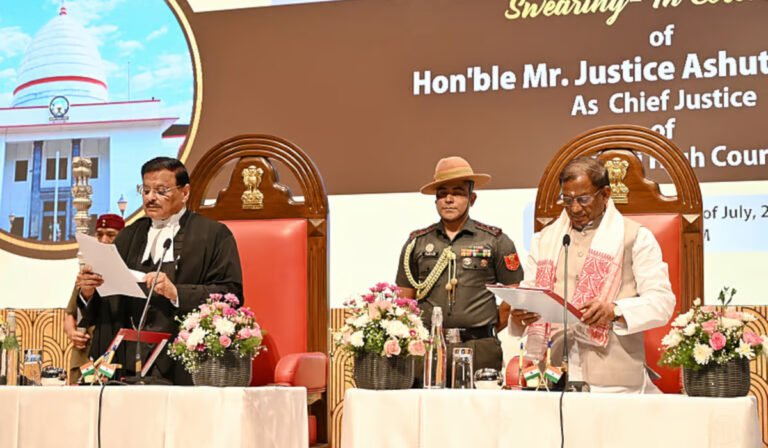
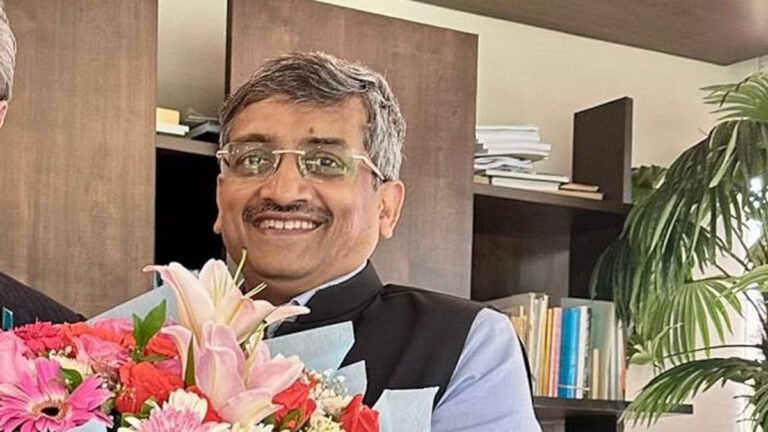
Justice Ashutosh Kumar formally assumed charge as the Chief Justice of the Gauhati High Court on Monday, marking a new chapter in the judiciary of one of the country’s most significant northeastern legal institutions.

In a ceremony held at Raj Bhavan, Assam Governor Gulab Chand Kataria administered the oath of office to Justice Kumar. The event was attended by top officials from the state government, senior judges, lawyers, and members of the legal fraternity.

Justice Kumar succeeds Justice Vijay Bishnoi, who was recently elevated to the Supreme Court. Before his elevation to the Gauhati High Court, Justice Kumar served as a senior judge of the Patna High Court, where he was known for his rulings on constitutional matters, civil liberties, and criminal jurisprudence.

Born in 1963, Justice Kumar began his legal career practicing at the Patna High Court and was appointed as a judge there in 2012. Over the years, he earned a reputation for his balanced judgments and judicial integrity.

Following the oath ceremony, Justice Kumar expressed his commitment to upholding the Constitution and strengthening access to justice across the northeastern states under the court’s jurisdiction. He also acknowledged the unique cultural and legal challenges of the region and emphasized the need for sensitivity, inclusivity, and prompt justice delivery.

Legal professionals and senior advocates in Guwahati welcomed his appointment, expressing hope that under his leadership, the High Court would see greater efficiency and reform in handling long-pending cases.

The Gauhati High Court, headquartered in Guwahati, serves Assam, Arunachal Pradesh, Nagaland, and Mizoram. Justice Kumar’s tenure is expected to focus on both judicial backlog reduction and technological modernization of court systems.

With his appointment, the judiciary in the region anticipates a renewed momentum in legal reform and an emphasis on protecting constitutional rights amid evolving legal challenges

When Love Kills: What the Sonam Raghuvanshi Case Says About Us

0

The gruesome murder of Raja Raghuvanshi, allegedly at the hands of his wife Sonam Raghuvanshi, has sent shockwaves through the Northeast, where the incident occurred. While the details are still unfolding, the crime has become fodder for social media, where memes about blue plastic drums, men undergoing “army-style training” before marriage, and exaggerated portrayals of spousal violence have flooded timelines. These viral posts may provoke laughter, but they also dangerously trivialize a deeply troubling reality. Beneath the humour lies a serious question about the state of modern relationships, and the silent fraying of our society’s emotional fabric.

It is easy to dismiss such incidents as exceptions labeling them as bizarre anomalies that do not reflect larger societal patterns. But that would be a grave mistake. This case is not isolated. Across India, headlines are now frequently splashed with horrific accounts of domestic violence, manipulation, infidelity, and betrayal. Increasingly, relationships are becoming transactional, mistrust-ridden, and alarmingly fragile.

One such case that involves allegations that the wife, with premeditation and stunning composure, dismembered her husband’s body and stored it in a blue drum for weeks. The act is not just criminal, it is terrifying in its cold detachment. That a person could live around a decomposing corpse while calmly going about her daily routine should give all of us pause. This isn’t just about one couple’s tragedy. It is a reflection of something broken in the larger social consciousness.

Today’s youth are growing up in a world vastly different from the one their parents knew. Relationships have become more fast-paced, with dating apps and social media transforming the way people connect and commit. Unfortunately, these technological advances have not been accompanied by the emotional or psychological tools needed to navigate intimacy, trust, and conflict. There is increasing evidence that many young people lack the maturity to resolve issues without escalation, leading to a spike in emotionally charged violence.

What is particularly alarming is the normalization of dysfunction. Popular culture, particularly in OTT platforms and cinema, has blurred the lines between passion and pathology. Unhealthy jealousy, obsession, revenge, and even murder are often romanticized on screen. Viewers, especially impressionable ones, internalize these narratives. The Sonam Raghuvanshi case appears to be yet another case where reel meets real life in the most horrifying way.

Then there is the deeper issue of mental health. Whether or not Sonam was suffering from any psychological condition is a matter for the courts to decide. But the glaring absence of mental health awareness and intervention in our social systems cannot be ignored. India continues to stigmatize therapy, counseling, and psychiatric help. We often label erratic or violent behavior as “madness” or “evil” instead of seeking to understand the root causes. In doing so, we fail not just the victims, but also potential perpetrators, who might otherwise be helped before they cross the line.

Another layer to this crisis is the media. Sensationalism sells, and this case, with its grisly details and meme-worthy props, has become perfect tabloid material. But in doing so, the media risks stripping the crime of its gravity. Instead of prompting national reflection, the public is being nudged to consume the tragedy as grotesque entertainment. This cheapens both the life lost and the seriousness of the systemic issues that led to it.

What kind of society are we building where people see marriage as a power struggle rather than a partnership? Where arguments can turn fatal, and partners live in mutual suspicion instead of trust? Where grievances are not resolved through communication but through control, manipulation, or worse; violence?

There needs to be a serious rethinking of how we prepare individuals for relationships. It is no longer enough to teach children how to read and write, or even how to land a job. Schools and colleges must incorporate emotional intelligence, communication skills, and relationship education into their curriculum. Families need to teach sons and daughters alike that abuse, be it verbal, emotional, or physical, has no place in a healthy relationship. And society, at large, must stop glamorizing toxic love.

The Northeast has always prided itself on progressive values, gender balance in several tribal societies, and a certain gentleness in community living. This incident shatters that self-image and compels the region to ask tough questions. Has modernity, with all its speed and spectacle, stripped us of the patience, empathy, and value system that once held our relationships together?

The memes will eventually fade. The hashtags will change. But the trauma of those directly involved and the societal decay that allowed such an incident to happen will remain unless we act. If this tragic episode is to serve any purpose, let it be as a wake-up call for serious introspection, reform, and most importantly, compassion.


Bombay High Court Acquits 12 in 2006 Mumbai Train Blasts Case After 19 Years

0

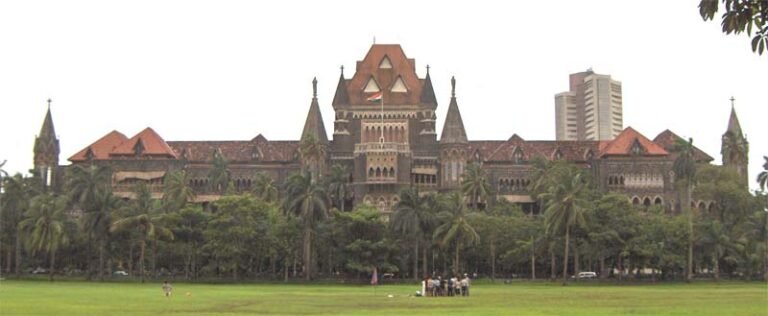
In a landmark decision nearly two decades after the deadly Mumbai local train blasts, the Bombay High Court on Monday acquitted 12 individuals who had been convicted for their alleged involvement in the terror attacks that shook India’s financial capital in 2006.

The division bench, after extensively reviewing the evidence and trial proceedings, ruled that the convictions handed down by the special Maharashtra Control of Organised Crime Act (MCOCA) court in 2015 lacked sufficient corroboration and did not meet the threshold of proof required in a criminal case. The court noted inconsistencies in the prosecution’s case, including questions around confessions, recovery of explosives, and forensic evidence.

The 2006 serial blasts occurred on July 11 during the evening rush hour, targeting Mumbai’s suburban train network. Seven blasts took place within a span of 11 minutes between 6:24 pm and 6:35 pm on first-class compartments of local trains. The attacks killed 189 people and injured more than 800, making it one of the deadliest terror incidents in Indian history.

The trial, which began in 2007, concluded in 2015 with the conviction of 13 people — 5 were sentenced to death and 7 to life imprisonment. One person was acquitted at the time. However, following appeals and years of legal scrutiny, the High Court today overturned the convictions of 12 of them, citing “serious procedural lapses” and “lack of credible evidence.”

The court observed that several of the confessions allegedly made by the accused were recorded under questionable circumstances and not adequately supported by independent evidence. It also raised doubts over the chain of custody of explosives and pointed to gaps in witness testimonies.

Legal experts have described the verdict as a significant moment in India’s criminal justice system, reflecting the importance of due process, even in high-profile terror cases. Families of the acquitted expressed a mix of relief and anguish — relieved that justice had been done after years of incarceration, yet anguished over the years lost.

State authorities have not yet announced whether they will challenge the acquittals in the Supreme Court. A senior official in the state’s legal department stated that the judgment is under review and a decision will be made after a detailed legal analysis.

The decision has also reignited public debate on prolonged trials, custodial rights, and the need for judicial reforms to ensure that justice is both timely and fair. Several civil rights groups welcomed the verdict, calling it a reminder of the fallibility of the legal process and the human cost of wrongful incarceration.

Meanwhile, survivors and families of those killed in the blasts have voiced their pain and frustration, demanding accountability and urging the government to continue pursuing justice for the real perpetrators. Some have called for a reinvestigation into the case, emphasizing the need to bring the actual masterminds to justice.

The acquittal comes as one of the most significant reversals in a major terrorism case in India, raising questions about investigative procedures and the reliability of confessional evidence obtained under special laws.

Monsoon Session of Parliament Begins; PM Modi Urges Constructive Debate and Cooperation

0

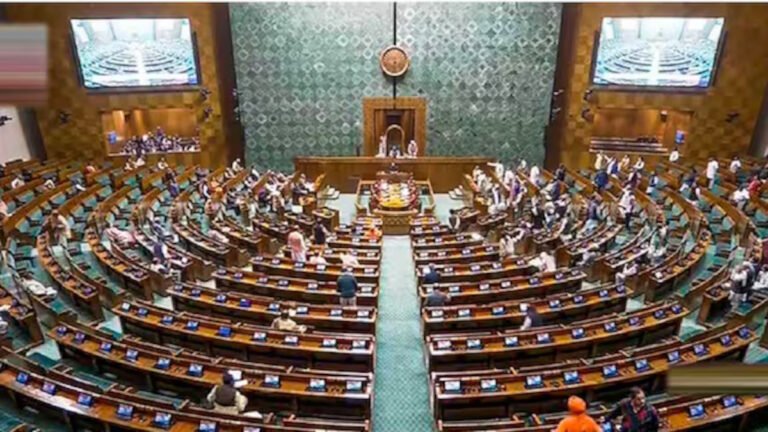
The Monsoon Session of Parliament commenced on Monday with a call for consensus and cooperation from Prime Minister Narendra Modi. As both Houses convened amid heightened political anticipation, the Prime Minister emphasized the importance of a productive session focused on public welfare, legislative progress, and national interest.

Addressing the media before entering Parliament, PM Modi urged all parties to rise above partisan differences. “The country is watching. This is a time to maintain dignity in discussion and uphold the democratic values we all cherish,” he said.

He further stated, “People want Parliament to function effectively and expect us to debate, discuss and deliver. I hope this session sets a new example of productivity.”

This Monsoon Session is expected to see the tabling of several key bills, including discussions on newly introduced criminal laws, economic reforms, and issues concerning inflation, farmers’ welfare, and national security. The recent situation in Manipur, monsoon-related damage, and unemployment are also likely to dominate debates.

Both the Lok Sabha and Rajya Sabha observed a moment of silence at the start of proceedings, paying tribute to leaders and citizens who passed away since the last session.

Opposition parties have signaled their intent to raise questions about price rise, job creation, and border issues. Meanwhile, the government is preparing to highlight its initiatives under the “Viksit Bharat” campaign and the implementation of new policies related to education, digital governance, and rural development.

The Monsoon Session is scheduled to run for approximately three weeks, during which over 20 bills are expected to be tabled or taken up for consideration.

Parliamentary Affairs Minister Pralhad Joshi expressed hope that the session would be constructive. He also urged the Opposition to engage in meaningful dialogue instead of disruptions.

Security has been tightened in and around the Parliament complex, with new entry protocols in place for Members of Parliament and staff, especially after past breaches and disruptions.

The session marks a crucial legislative window before the winter break, and all eyes are now on whether both sides of the aisle can come together to address the nation’s pressing challenges.

Labourer Arrested in Guwahati for Alleged Sexual Assault of Minor

A 25-year-old construction labourer has been arrested in connection with the alleged sexual assault of a four-year-old girl in Guwahati. The incident reportedly took place on July 16, prompting a swift investigation by the city police.

Authorities launched a search for the accused immediately after the complaint was filed by the victim’s family. Following a four-day manhunt, the suspect was located and apprehended from the Dhubri district, where he had been hiding since the incident.

Police officials confirmed that the accused had been residing and working in Guwahati for a few months. He was brought back to the city and formally charged under the Protection of Children from Sexual Offences (POCSO) Act, along with provisions of the newly introduced Bharatiya Nyaya Sanhita.

The operation to capture the suspect was carried out by a team from the concerned police station. Officials stated that the case is being pursued with urgency, and further legal proceedings are underway.

The child is reportedly receiving medical attention and counseling support, while police continue to gather evidence as part of the ongoing investigation.

Prime Accused in Raja Raghuvanshi Murder Case Sent to 14-Day Judicial Custody

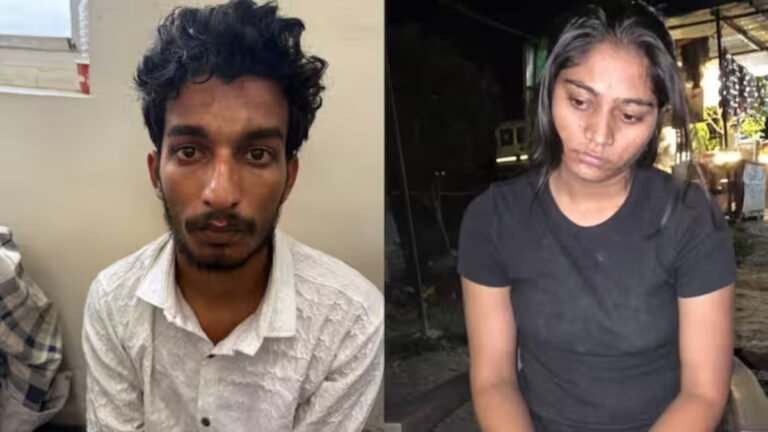
A court in Shillong has extended the judicial custody of Sonam Singh and Raj Meena, the two main accused in the high-profile murder of businessman Raja Raghuvanshi, by 14 more days. The ruling came during their court appearance, where the police sought additional time citing the need for further investigation.

The duo had earlier been remanded to judicial custody following their arrest in connection with the death of Raghuvanshi, whose body was found under suspicious circumstances earlier this month. The case has since drawn significant public attention, prompting intensified legal and police scrutiny.

Court officials confirmed that both accused will remain in judicial custody at the Shillong District Jail until their next appearance. Investigating officers told the court that certain digital records and financial transactions related to the case are still being examined and that their cooperation remains critical.

The court also instructed the police to expedite forensic analysis and ensure all due process is followed in the collection of evidence. No plea for bail was submitted during this hearing.

Raghuvanshi, a known figure in Shillong’s business circles, was reportedly missing for two days before his body was discovered. Preliminary reports indicated foul play, leading authorities to swiftly detain Sonam and Raj based on digital surveillance and witness testimonies.

The next hearing is expected to take place in early August. Meanwhile, police have not ruled out the possibility of more arrests as investigations widen.

Assam Launches ₹5 Per Litre Milk Subsidy to Support Dairy Farmers

In a major step to strengthen Assam’s dairy industry and boost rural incomes, Chief Minister Himanta Biswa Sarma has recently announced a new subsidy of ₹5 per litre of milk for dairy farmers across the state. The move is aimed at encouraging higher milk production, reducing rural distress, and enhancing the viability of the dairy sector.

The announcement was made during the inauguration of the expanded dairy processing facility at the Purabi Dairy plant in Guwahati, where Sarma emphasized the government’s commitment to creating a self-reliant dairy ecosystem in Assam.

“This subsidy will ensure that farmers get fair compensation for their efforts while we work to make Assam self-sufficient in milk production,” said the Chief Minister. He added that the new policy is part of the broader Assam Dairy Development Strategy, which seeks to expand milk output and reduce the state’s dependence on imports from other regions.

The upgraded Purabi Dairy facility, operated under the West Assam Milk Producers’ Cooperative Union Ltd (WAMUL), has enhanced its processing capacity to meet growing demand. The plant is now capable of handling significantly more milk and producing a wider range of value-added products such as paneer, curd, and flavored milk.

Under the new subsidy scheme, dairy farmers supplying milk to registered cooperatives and milk unions will receive ₹5 per litre directly into their bank accounts, in addition to the price paid by the cooperative. Officials estimate that more than 25,000 farmers will benefit initially, with the number expected to grow as new cooperatives are formed.

The state government has also pledged additional investments in cold storage chains, animal healthcare, and fodder availability. Training programs will be rolled out to help farmers adopt modern milking and hygienic storage practices.

Industry experts have welcomed the initiative, calling it a “transformative policy” that could revitalize dairy farming in Assam. The scheme is also expected to reduce Assam’s reliance on milk brought in from states like Bihar and West Bengal.

Chief Minister Sarma noted that the long-term vision is to make Assam a dairy hub in Northeast India, with both production and processing infrastructure developing hand-in-hand to ensure profitability for farmers and quality for consumers.

Puneet Kumar Goel Takes Over as New Chief Secretary of Manipur

Senior bureaucrat Puneet Kumar Goel has been appointed as the new Chief Secretary of Manipur. A seasoned officer of the Indian Administrative Service, Goel previously held the position of Chief Secretary in Goa and brings with him a broad range of administrative experience.

He replaces Prashant Kumar Singh, who has been posted to the National Commission for Scheduled Tribes. The change in leadership comes amid continuing efforts by the Manipur government to stabilize the administrative machinery following recent periods of unrest and tension in various districts.

Goel arrived in Imphal earlier this week and is expected to assume office formally within the next few days. His appointment is viewed as a strategic decision aimed at reinforcing governance, improving coordination between civil and security agencies, and accelerating public service delivery during a critical time for the state.

Government officials expressed confidence that his prior experience handling complex administrative scenarios would help bring more efficiency to Manipur’s governance system. His immediate priorities are expected to include ensuring smooth functioning of law and order mechanisms, enhancing inter-departmental cooperation, and supporting the implementation of key state and central welfare schemes.

The decision to appoint Goel comes as the state continues to address both developmental goals and law enforcement challenges. The new Chief Secretary’s leadership is anticipated to play a central role in policy execution and crisis management in the months ahead.

Tripura Launches Victim Protection Scheme Under New Criminal Laws

Tripura has become one of the first Northeastern states to roll out a dedicated Victim and Witness Protection Scheme in alignment with the newly enforced criminal justice reforms, aimed at strengthening the rights and security of victims during legal proceedings.

The scheme, introduced by the state government in accordance with the provisions under the Bharatiya Nagarik Suraksha Sanhita (BNSS), 2023, ensures timely compensation, rehabilitation support, and personal safety for victims and witnesses of crimes. The initiative is designed to make the justice delivery process more sensitive, accessible, and victim-oriented.

Officials from the Tripura Law Department confirmed that guidelines have been issued to district legal services authorities and police units across the state to implement the scheme with immediate effect. The plan includes financial aid, psychological support, identity protection, relocation options where necessary, and access to legal aid — especially in cases involving sexual violence, trafficking, and organized crime.

According to a senior government official involved in the scheme’s rollout, “Victim protection isn’t just about physical safety — it’s about giving people the confidence that justice will be delivered without fear or retaliation.”

The initiative follows the recent nationwide implementation of three new criminal laws — the Bharatiya Nyaya Sanhita, Bharatiya Nagarik Suraksha Sanhita, and Bharatiya Sakshya Adhiniyam, which replaced colonial-era laws to create a more citizen-centric justice system.

Legal experts in Tripura have welcomed the move, saying it marks a shift in how victims are treated during criminal trials. “For a long time, victims were seen merely as informants. This scheme affirms their right to protection and dignity throughout the process,” said an Agartala-based criminal lawyer.

Awareness drives are being planned to inform citizens, especially vulnerable groups, about their rights under the new scheme. Law enforcement officials are also undergoing training to ensure smooth coordination between police stations, prosecutors, and legal aid cells.

Tripura Chief Minister Dr. Manik Saha had earlier expressed his government’s commitment to fully implement the new criminal codes, emphasizing transparency, quicker trial processes, and a human rights–focused approach.

With this development, Tripura joins a growing list of Indian states actively taking steps to make the criminal justice system more responsive to the needs of those most affected by crime.