IED Recovered by Assam Rifles During Patrol in Arunachal’s Namsai District

A routine security patrol by the Assam Rifles in Arunachal Pradesh’s Namsai district led to the recovery of an improvised explosive device (IED), averting a potential threat in the region.

The device was discovered on Thursday during a standard area domination exercise in a remote stretch between Mahadevpur and Wakro, near the Arunachal-Assam border. Security personnel immediately secured the site and called in a bomb disposal unit to neutralize the explosive.

According to officials, the IED was found concealed under foliage near a footpath frequently used by locals and security forces. “The swift response by the patrolling unit ensured that no harm came to civilians or troops operating in the area,” a source from the Assam Rifles stated.

Though no group has claimed responsibility for planting the device, initial assessments suggest it may have been intended to target security convoys or intimidate local populations. The region has in the past witnessed sporadic activity by insurgent outfits operating across state borders.

Following the discovery, the Assam Rifles, in coordination with the Arunachal Pradesh Police, launched a combing operation to ensure there were no additional threats in the vicinity. Security has been tightened along key movement corridors, and surveillance measures have been intensified.

Local authorities have urged residents to remain vigilant and report any suspicious activity. “This timely action has helped prevent what could have been a tragic incident. We remain committed to keeping the area safe,” said an official from the district administration.

The recovery underscores the continued security challenges in parts of Arunachal Pradesh, particularly in districts bordering Assam and Nagaland, where militant groups are known to exploit the dense terrain for movement and operations.

The Assam Rifles, often dubbed the “Sentinels of the Northeast,” have been instrumental in counter-insurgency efforts and maintaining stability across the region. Thursday’s recovery once again highlights the critical role played by security forces in safeguarding remote and sensitive areas of India’s northeastern frontier.

Ahom Dynasty Finally Finds Place in NCERT Class 8 History Textbook

In a historic shift toward a more inclusive national narrative, the National Council of Educational Research and Training (NCERT) has, for the first time, included the Ahom Dynasty in its Class 8 History textbook. The addition appears in the chapter titled “Tribes, Nomads and Settled Communities.”

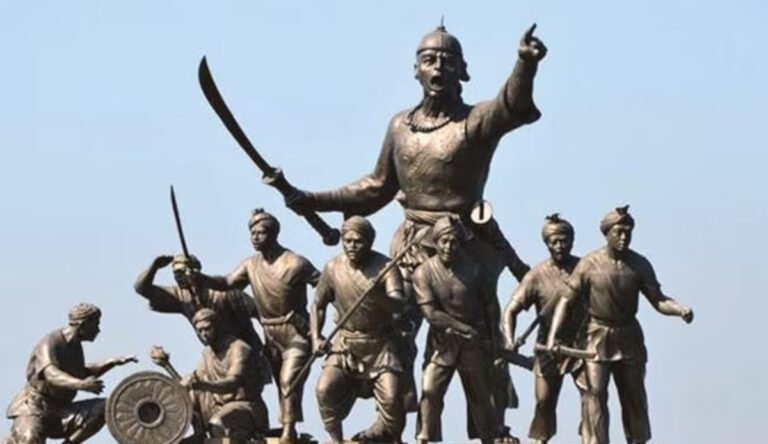
The Ahoms, who ruled Assam for over six centuries from the 13th to the 19th century, are celebrated for their remarkable military resilience—most notably their successful defense against 17 Mughal invasions. Despite this, their role in Indian history has remained largely sidelined in mainstream academic curricula, which have traditionally emphasized dynasties like the Mughals, Mauryas, and Guptas.

The inclusion may span only a single page, but it has been hailed by many historians, educators, and cultural activists from Northeast India as a significant symbolic correction.

“The Ahoms contributed greatly to the political and cultural shaping of the region. Their administration, warfare strategies, and cultural synthesis deserve national attention,” said Dr. Haripriya Das, a Guwahati-based historian and researcher. “This inclusion, even if brief, marks a turning point in acknowledging Northeast India’s rightful place in our collective history.”

The Ahom Kingdom, founded by Sukaphaa in 1228, established a stable administration and promoted a syncretic culture by blending Tai-Ahom traditions with local Assamese customs. Their rule extended until the advent of British colonialism in the 19th century, but their stories have largely been confined to regional syllabi or academic research.

Educationists have long criticized the limited representation of Northeast India’s historical contributions in national-level textbooks. Scholars note that the exclusion of such narratives not only marginalizes entire communities but also leaves students with an incomplete understanding of India’s complex past.

“This isn’t just about regional pride,” said Sanjeev Lahon, an Assamese language teacher in Dibrugarh. “It’s about making sure all Indian students learn a truly diverse and accurate history—one that celebrates unity through pluralism.”

The move comes amid NCERT’s broader curriculum revision, aimed at decolonizing history and expanding the scope of narratives beyond traditional power centers. In recent years, similar efforts have led to increased visibility of tribal histories, women freedom fighters, and lesser-known regional kingdoms.

In Assam and other parts of the Northeast, the development has sparked cautious optimism. Many view this as a first step and are calling for deeper integration of regional histories in school syllabi across all grades.

“This inclusion is welcome, but the Ahom legacy deserves much more than a footnote,” said social activist Anima Saikia. “We hope NCERT continues this process and brings in more chapters from Northeast India’s past—from the Kacharis to the Zeliangs, from Manipuri resistance to Khasi folklore.”

As the new academic year begins, students across the country will now get a glimpse into the story of one of India’s longest-reigning dynasties—a story that has waited centuries to be told in classrooms beyond Assam.

Background Note:
The Ahoms not only resisted Mughal advances but also pioneered administrative reforms, built embankments and tanks, and developed a unique literature and archival tradition. Their capital, Rangpur (in present-day Sivasagar district), stood as a hub of architecture, warfare, and scholarship.

By including the Ahoms in national textbooks, NCERT has taken a step toward correcting the historical imbalance that has long left out the Northeast’s contributions to India’s civilizational story

Pakistan’s Monsoon Toll Climbs to 159 as Heavy Rains Trigger Widespread Disaster

0

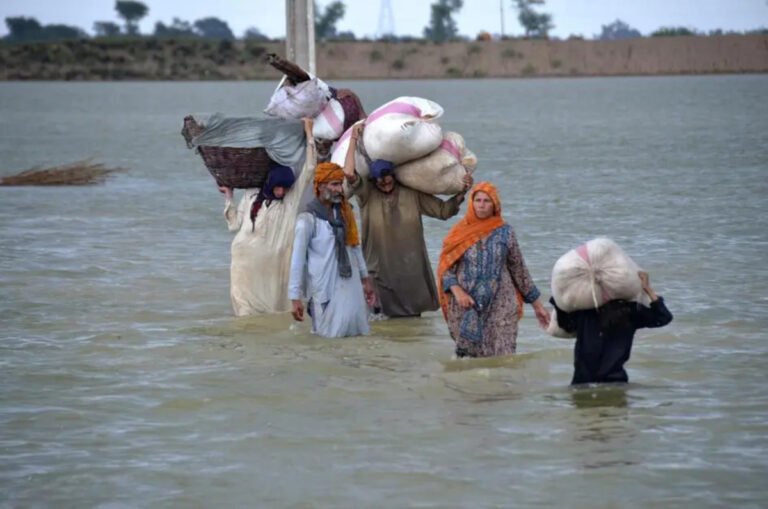
Relentless monsoon rains continue to batter Pakistan, leaving a devastating trail across multiple provinces. The death toll from the seasonal deluge has now reached 159, with at least 63 lives lost in just 24 hours, according to figures released by local disaster management authorities.

Punjab has emerged as the worst-hit region, where fragile housing structures have crumbled under the weight of persistent downpours. Several fatalities have been linked to collapsing rooftops, particularly in rural areas where construction quality remains poor and emergency access is limited.

The National Disaster Management Authority (NDMA) has sounded fresh warnings for potential flooding along major rivers, including the Jhelum, as water levels continue to rise. With embankments under pressure, nearby communities have been urged to remain on high alert and evacuate low-lying areas wherever necessary.

Provincial administrations are racing to respond to the worsening situation. Emergency services are conducting rescue operations in submerged zones, while temporary relief camps have been set up to shelter displaced residents. Many homes, roads, and power lines have sustained severe damage, complicating recovery efforts.

Government spokespersons stated that flood response units, civil defense teams, and local volunteers are jointly working to distribute food, drinking water, and medical supplies. Helicopters and boats have been deployed in severely inundated districts to access cut-off villages and evacuate vulnerable families.

In Sindh, Khyber Pakhtunkhwa, and Balochistan, reports of waterlogging, mudslides, and livestock losses have also emerged, amplifying fears of a prolonged humanitarian crisis. With more rainfall forecast in the coming days, officials are bracing for further challenges.

Meanwhile, humanitarian organizations have called for greater coordination between federal and provincial authorities to avoid delays in aid delivery and infrastructure repair. Long-term concerns include the threat of waterborne diseases, disruption to agricultural cycles, and displacement-induced poverty.

Monsoon rains are a seasonal norm in South Asia, but experts say the scale and intensity of the current flooding underscore the need for better urban planning, climate resilience infrastructure, and early warning systems across Pakistan’s most vulnerable regions

Moscow Targeted by Massive Drone Assault, Russia Claims Over 140 Intercepted

0

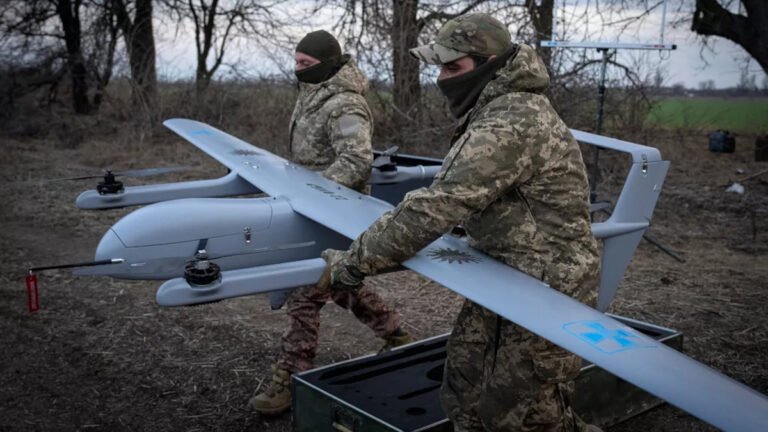
Russian officials reported one of the largest aerial attacks on the capital in recent months, saying that over 140 drones launched from Ukraine were intercepted overnight across Moscow and surrounding regions.

The Russian Ministry of Defense described the event as a “massive coordinated offensive” and confirmed that most of the drones were shot down by air defense systems before reaching densely populated areas. Several drones, however, reportedly caused minor damage to infrastructure in outer districts of the capital, with no confirmed casualties.

Residents across Moscow reported hearing loud explosions and witnessing streaks of light in the sky during the early hours, as air defense batteries engaged the incoming swarm.

“This was an unprecedented scale of attack,” a Moscow regional official stated. “Our military personnel acted swiftly to prevent what could have been a major catastrophe.”

Authorities have increased security measures in several urban zones, and emergency crews are on standby to assess and repair any damaged facilities.

Ukrainian officials have not commented on the assault, but similar tactics have been used in recent weeks to disrupt logistics and military operations inside Russia.

The escalation comes amid intensified fighting along the front lines and growing international concern over the conflict’s spillover effects. Western observers say both sides are increasingly turning to long-range technology, including drones, to shift momentum.

As the war continues, this latest incident is likely to prompt further military responses and deepen hostilities between the two nations.

Israeli Military Expands Evacuation Orders in Gaza as Food Crisis Worsens

0

The humanitarian situation in Gaza has further deteriorated as the Israeli military issued new evacuation directives for civilians in parts of central Gaza, intensifying fears of displacement and hunger among an already struggling population.

The latest orders, affecting several towns and neighborhoods, have triggered a mass movement of residents seeking safer areas. Aid groups working on the ground report that many families are moving without access to food, clean water, or shelter. With infrastructure severely damaged, humanitarian efforts have been hindered by ongoing hostilities and restricted access routes.

International relief agencies have sounded the alarm over a deepening food crisis. Several reports indicate long queues for scarce aid, and at least 30 individuals have reportedly died while waiting for food assistance in recent days. Witnesses say most of the casualties occurred during aid distribution incidents, highlighting the desperate circumstances many civilians now face.

“We are seeing a collapse of basic services,” a field worker with an international aid group said. “Food is vanishing from markets, children are malnourished, and the displaced have nowhere to go.”

The Israeli Defense Forces (IDF) have stated that the evacuations are necessary to avoid civilian harm during operations targeting militant groups in the area. However, rights organizations and UN agencies have urged for restraint and immediate safe corridors for humanitarian deliveries.

Efforts to mediate a ceasefire remain stalled, with no sign of resolution as the conflict enters a more volatile phase. International calls for humanitarian pauses have so far gone unheeded.

Powerful Quake Strikes Off Kamchatka Coast, Brief Tsunami Alert Issued

0

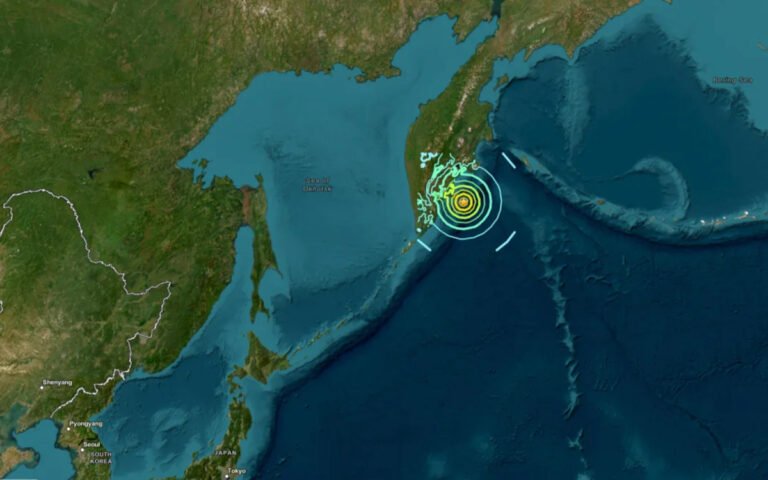
A massive earthquake measuring 7.4 on the Richter scale struck off the eastern coast of Russia’s Kamchatka Peninsula in the early hours of Sunday, prompting authorities to briefly issue tsunami alerts for nearby coastal regions.

According to the Russian Academy of Sciences’ Geophysical Survey, the quake was recorded at a depth of approximately 62 kilometers beneath the seabed in the Pacific Ocean. The epicenter was located southeast of the Kamchatka Peninsula, a seismically active region that forms part of the Pacific Ring of Fire.

The tremor occurred around 3:15 a.m. local time and was strongly felt in parts of the Kamchatka region, including Petropavlovsk-Kamchatsky. Residents reported feeling buildings sway, though there have been no reports of structural damage or injuries as of yet.

In response to the quake, local emergency services temporarily advised residents in coastal towns to remain alert and prepared for possible evacuation. Russia’s Emergency Situations Ministry said the tsunami warning was issued as a precaution and later withdrawn after no significant sea-level rise was observed.

The U.S. Tsunami Warning Center also monitored the situation and confirmed that while a tsunami was technically possible within 300 kilometers of the quake’s epicenter, there was no immediate threat to the wider Pacific basin.

Authorities are continuing to monitor aftershocks, which are common following earthquakes of this magnitude. No disruptions to transportation or communication networks have been reported, but residents in the region have been urged to stay informed through official channels.

Kamchatka is one of the most earthquake-prone areas in the world due to its position along the boundary of the Pacific and North American tectonic plates. The region regularly experiences significant seismic activity, though preparedness measures have helped limit the impact of such events.

Geologists are assessing the tremor’s broader implications, but early evaluations suggest the quake did not affect any critical infrastructure or energy facilities.

Emergency crews remain on standby as the situation continues to develop.

PM Modi to Visit UK and Maldives for Key Diplomatic Engagements

0

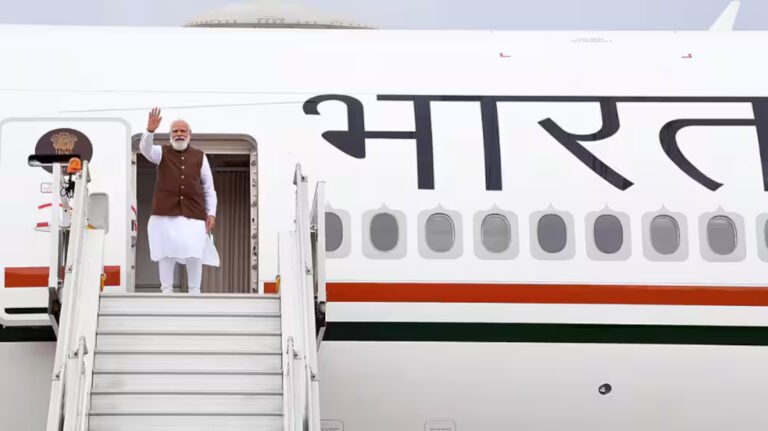
Prime Minister Narendra Modi is scheduled to undertake a two-nation diplomatic tour next week, with official visits planned to the United Kingdom on July 23, followed by the Maldives on July 25 and 26. The trip comes at a time of evolving geopolitical shifts and underscores India’s intent to deepen strategic partnerships in both Europe and the Indian Ocean region.

According to officials in the Ministry of External Affairs, the visit aims to bolster bilateral ties across multiple sectors including defense, trade, climate cooperation, regional security, and sustainable development.

London Visit: Renewing Strategic Dialogue

Modi’s arrival in London marks his first visit to the UK since the re-election of the current British administration. While the trip is formally billed as a diplomatic engagement, analysts expect it to carry significant political undertones. The Prime Minister is expected to meet with his UK counterpart at 10 Downing Street to discuss a wide range of issues including the stalled India-UK Free Trade Agreement (FTA), joint defense manufacturing, and cooperation in emerging technologies such as AI and clean energy.

The leaders are also likely to address concerns over visa policies, Indian student mobility, and the Indian diaspora’s contribution to the UK economy. A joint press statement and multiple memorandums of understanding (MoUs) are expected to be signed during the visit.

A cultural outreach program at Wembley Arena is also scheduled, where Prime Minister Modi is expected to address members of the Indian diaspora and highlight India’s growing global role.

Maldives Visit: Reaffirming Regional Neighborhood First Policy

After concluding his UK visit, Prime Minister Modi will travel to the Maldives on July 25 and 26. This visit comes at a crucial juncture as the two countries navigate shifting security dynamics in the Indian Ocean, particularly in light of China’s expanding influence in the region.

In Male, PM Modi is scheduled to hold bilateral talks with Maldivian President Mohamed Muizzu. Discussions will focus on defense collaboration, joint coastal surveillance, economic assistance, and renewable energy partnerships. India is expected to announce new infrastructure grants and training programs as part of its continued support for Maldivian development.

Other topics on the agenda include maritime security, counter-terrorism cooperation, and disaster response coordination. Both sides will review progress on key Indian-assisted projects such as the Greater Male Connectivity Project and the construction of essential infrastructure including ports and hospitals.

A Strategic Diplomatic Push

Foreign policy analysts view the back-to-back visits as part of a broader strategy to reinforce India’s global influence while maintaining strong relationships with both Western allies and neighboring countries.

“These two visits symbolize India’s commitment to a multipolar world, where partnerships in both the West and South Asia are seen as complementary, not competitive,” said Dr. Rohan Menon, a former diplomat and foreign affairs analyst.

With major international summits like the G20 and COP30 on the horizon, the tour is also being seen as an opportunity to strengthen India’s position on global issues such as climate justice, trade equity, and regional security.

Prime Minister Modi’s itinerary reflects both the strategic priorities of India’s foreign policy and his hallmark approach to diplomacy, blending strategic intent with outreach to local communities.

The outcomes of this dual-nation tour are expected to shape the course of India’s international engagement in the second half of 2025

India-US Trade Talks Conclude Without Breakthrough in Washington

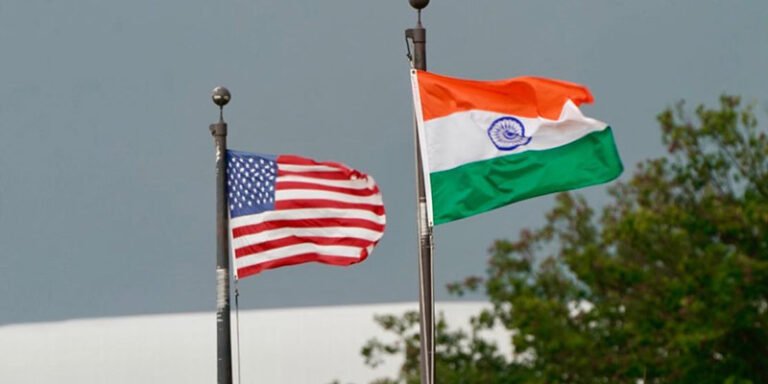
The fifth round of bilateral trade negotiations between India and the United States concluded in Washington this week without a breakthrough, as both sides held firm to their respective national interests. The meetings, held from July 14 to 17, were part of a continuing effort to forge a comprehensive trade agreement, but key sticking points remain unresolved.

A senior official from India’s Commerce Department, who led the delegation, reiterated New Delhi’s cautious stance on issues like digital trade, market access, and intellectual property rights. “India is committed to safeguarding its domestic industries, ensuring data sovereignty, and maintaining flexibility in e-commerce regulations,” the official said during the closing session.

From the U.S. side, the Office of the United States Trade Representative (USTR) pressed for stronger commitments on tariff reductions, removal of non-tariff barriers, and enhanced protections for American firms operating in India. However, Indian negotiators emphasized the need for a phased, development-oriented approach that acknowledges India’s role as a growing but still emerging economy.

Despite the impasse, both sides acknowledged “constructive dialogue” and “a willingness to continue engagement.” The discussions also touched on areas of convergence, including supply chain cooperation, sustainable manufacturing, and green technology trade.

Experts say that while the deadlock is disappointing, it is not unexpected. “India has become more assertive in global trade forums. It no longer signs deals that compromise core domestic priorities,” said Dr. Anika Mehra, an international trade analyst based in New Delhi. “The U.S. wants speed, but India wants sovereignty.”

The trade negotiations come at a time of increasing strategic alignment between the two countries in the Indo-Pacific, but this momentum has not yet translated into a formal economic pact. The absence of a bilateral trade deal has been a longstanding gap in India-US relations, even as security and technology cooperation deepen.

Washington had hoped to advance talks ahead of the U.S. general elections later this year. However, Indian officials appear unfazed by political timelines, focusing instead on long-term alignment. The next round of trade discussions is expected later in the year, possibly after the U.S. election results are in.

While no formal agreement was signed, both sides agreed to maintain ongoing working group-level discussions and to revisit the key points of contention in future rounds. For now, India and the United States remain important trade partners navigating a complex road toward economic convergence.

Hydroelectric Power in Assam: Energy Sovereignty in the Shadow of China’s Brahmaputra Dam

0

Assam, rich in water resources and nestled within the Eastern Himalayan fold, holds significant promise in India’s quest for clean and sustainable energy. As the state powers toward industrial growth and rural electrification, the spotlight has turned sharply to hydropower—a renewable resource that aligns with environmental goals while supporting large-scale infrastructure development.

However, with China having recently launched construction of a massive multi-dam cascade on the Yarlung Tsangpo (Brahmaputra’s upper course) in Tibet, the conversation around hydropower in Assam has acquired a new, urgent dimension. It’s no longer just about energy generation—it’s about water security, regional sovereignty, and strategic parity.

China’s Mega-Dam: A Turning Point for the Brahmaputra Basin

China has officially began work on a massive dam project at Mainling in Tibet’s Nyingchi Prefecture, just upstream of Arunachal Pradesh. This infrastructure includes a cascade of five hydropower stations, with a total investment exceeding ¥1.2 trillion (approx. USD 167 billion). The facility is expected to generate over 300 billion kWh of power annually, outpacing even the Three Gorges Dam.

Although Chinese authorities have stated that the project is strictly for clean energy and will not harm downstream nations, Indian analysts remain deeply concerned. Located near the Great Bend, this dam grants Beijing unprecedented control over the Brahmaputra’s upper waters.

For Assam, this is a seismic development—both literally and metaphorically.

Why It Matters for Assam

The Brahmaputra is not just a river; it’s the lifeblood of Assam’s agriculture, fisheries, and economy. Any upstream interference, intentional or accidental, can drastically alter:

  • Water availability during dry seasons

  • Flood patterns and disaster vulnerability

  • Sediment supply critical for farming

  • Aquatic ecosystems and biodiversity

This development also brings India’s downstream usage rights into sharper focus. If India delays in establishing its own large-scale usage of Brahmaputra waters, it may lose strategic and legal leverage in future water-sharing negotiations with China.

Hence, accelerating key projects like the Subansiri Lower Hydroelectric Project (SLHEP) is no longer optional—it is essential.

Subansiri Lower Project: Assam’s Strategic and Economic Keystone

The SLHEP, being developed by NHPC, is India’s largest hydroelectric project under construction with a planned capacity of 2,000 MW. It is located on the Subansiri River, a significant tributary of the Brahmaputra, straddling the border of Assam and Arunachal Pradesh.

The project is designed to produce over 7.5 billion units of electricity annually, contributing substantially to the national grid while addressing Northeast India’s chronic energy deficits.

SLHEP in the Geopolitical Equation

With China upstream, SLHEP serves not only as a power generator but also as a strategic riparian asset. By operationalizing the project, India reinforces its claim to “prior use” of Brahmaputra waters under international law, which could become vital in the face of upstream restrictions or alterations.

Economic Benefits and Royalty Sharing: Assam vs. Arunachal

A key feature of the SLHEP is the division of free power (royalty) between the two states where it is located:

Royalty Allocation (Free Power) Percentage Estimated Output
Arunachal Pradesh 10.75% ~240 MW
Assam 1.25% ~25 MW

Additionally, Assam has been allocated 508 MW of the generated power under central policy, which it can purchase at concessional, regulated rates—far below market prices.

This arrangement ensures:

  • Financial savings of Rs 400–600 crore annually in power procurement

  • Steady supply to offset power outages

  • Capacity to lower tariffs and attract industry

  • Royalty-based revenues for state budgeting

Although Arunachal gets the lion’s share of free power, Assam still stands to gain significantly through direct allocation, purchase entitlements, and infrastructure support.

Infrastructure and Employment Spillovers

Beyond power generation, SLHEP has catalyzed:

  • Improved road networks in Lakhimpur and Dhemaji

  • New bridges and transmission lines, enhancing connectivity to remote districts

  • Local employment for thousands of skilled and unskilled workers

  • Opportunities for local businesses in logistics, catering, transport, and supply contracts

These secondary benefits are especially crucial for border district development and economic inclusion.

Environmental and Social Concerns: Can They Be Balanced?

SLHEP has faced significant resistance from civil society groups like the Krishak Mukti Sangram Samiti (KMSS) and environmental activists. Critics have raised concerns about:

  • Seismic vulnerability in the Eastern Himalayas

  • Displacement of indigenous communities

  • Alteration of downstream river flow and fisheries

  • Flood risk in case of dam failure or sudden release

In response, NHPC and government bodies have introduced:

  • AI-based dam monitoring systems

  • Seismic-resistant design upgrades

  • Environmental flow regulations

  • Resettlement and rehabilitation packages

However, more transparency, local participation, and grievance redress mechanisms are still needed to ensure long-term trust and sustainability.

Hydropower as Diplomacy and Development

The Subansiri project—and others planned along the Siang, Lohit, and Dibang rivers—should be viewed not just as infrastructure, but as diplomatic tools. They help establish:

  • India’s active use of transboundary waters

  • Economic leverage in international climate negotiations

  • Strategic readiness in case of upstream manipulation by China

Assam, due to its location and stake in these projects, becomes the linchpin of India’s hydropower diplomacy in the Northeast.

Conclusion: Time to Harness the River, Responsibly

China’s decision to build the world’s most powerful dam on the Yarlung Tsangpo has upended the calculus of river politics in Asia. For Assam, it presents both a threat and an opportunity.

By accelerating the Subansiri project—with full ecological safeguards and community consent—Assam can:

  • Strengthen energy sovereignty

  • Assert its share of river rights

  • Earn long-term royalties

  • Build climate-resilient infrastructure

  • Serve as a bulwark against upstream control

Hydropower, when pursued with science and sincerity, can light up homes, fuel industries, and fortify borders.

In this new geopolitical reality, Assam’s hydropower projects are not just about development—they are about destiny.


Rooted & Rising: How Gen Z from the Northeast is Redefining Urban Identity

In the cafés of Kohima, the skate parks of Shillong, the rooftops of Imphal, and the bustling lanes of Guwahati’s GS Road, a cultural shift is taking root. Generation Z from the Northeast is crafting a new urban identity — one that is stylish, original, and unapologetically rooted in its ethnic heritage. They’re not simply trying to fit into the mainstream narrative. They are building one of their own.

Arunavi Thangjam, a 22-year-old from Tura, merges thrift-store denim with handwoven Garo beadwork. Her Instagram grid is equal parts vibrant fashion and social commentary. “I don’t dress for trends. I dress for my people,” she says. Her words reflect a larger generational instinct — to turn everyday style into statements of pride and protest. In cities across the Northeast, fashion is becoming a powerful tool for visibility. Bamboo hats appear in photoshoots styled like high fashion, handwoven shawls double as capes, and old-world accessories are now remixed with sneakers and crop tops.

Meanwhile in Guwahati, Assam’s youth capital and creative hub, a different energy pulses through the streets. The vibe is a little more metropolitan, but no less grounded. Here, music cafés in Uzan Bazar host acoustic Khasi folk sessions next to EDM nights led by tribal DJs. Local artist Kabita Basumatary, 24, uses Assamese lyrics in her trap tracks, saying, “When you spit bars in your mother tongue, it hits harder. It’s a flex, but it’s also home.”

Across the region, music is becoming a bridge between memory and modernity. Artists blend Ao, Mizo, and Karbi dialects with genres like lo-fi jazz and electronic beats. DJ Naron Lotha from Dimapur mixes field recordings of log drums and bird calls from his village into club tracks. “It’s like dancing with our ancestors,” he laughs. And in Guwahati’s youth circles, such blends are catching on fast.

Much of this expression thrives online. From meme collectives to digital zines, Gen Z creators are using platforms like Instagram and YouTube to push back against lazy stereotypes and erasure. One of the most popular voices is Lalmita Pamei, a law student in Aizawl, whose blog breaks down Northeast tribal history through pop culture metaphors — comparing colonialism to Marvel villains and clan systems to anime storylines. “Representation starts when we tell our stories our way,” she explains.

Entrepreneurial energy is also surging. In Guwahati, flea markets brim with booths selling upcycled fashion, handmade jewelry, and Zine art. Across the region, young people are launching their own ventures — sustainable fashion brands in Itanagar, underground poetry cafés in Shillong, pop-up noodle bars in Kohima. Sashi Zeliang, a 26-year-old baker in Mokokchung, turned her grandmother’s recipes into a thriving millet-based pastry business on Instagram. “We don’t wait for permission anymore,” she says. “We build our own platforms.”

Whether through style, sound, storytelling, or self-made startups, Gen Z from the Northeast is rewriting the cultural script. They’re reshaping what it means to be modern and indigenous at the same time. Theirs is a movement marked by confidence, creativity, and deep community roots. They are not waiting to be noticed — they are showing up in full color and full voice. And whether it’s in Guwahati’s concrete corridors or the green ridges of Kohima, they are already defining the now.