

The Shrinking Space: Why Regional Political Parties Have Become Increasingly Insignificant in Assam

0

I still remember the winter of 1985. I was a school-going teenager then, and along with a few friends, we made several trips to the nearby polling station, pushing elderly voters in handcarts—my grandmother among them. They knew exactly whom to vote for: the Asom Gana Parishad (AGP). The excitement was electric.

I recall my mother joyfully telling our neighbour, “If the AGP comes to power, everything will change for good.” The air was filled with hope. It wasn’t just a party we were supporting—it was a movement we had lived, a revolution we believed in. Just a few years earlier, during the peak of the Assam Movement, my mother, aunts, and thousands of other women had stepped out of their kitchens to sit in protest, demanding dignity, rights, and protection of identity.

But that hope didn’t last.

Years later, I remember hearing the same mother—disillusioned, angry—say in bitterness, “They are all the same.” That one sentence, loaded with heartbreak, captured the story of not just a family, but of an entire generation’s faith in regional politics—faith that has now eroded into insignificance.


From Revolution to Disappointment: The Rise and Fall of AGP

The Asom Gana Parishad (AGP), born in the aftermath of the Assam Movement (1979–1985), came to power with unprecedented support. Led by student leaders of the All Assam Students’ Union (AASU), it was seen as the legitimate voice of the Assamese people—promising a clean, indigenous, and visionary government.

In the 1985 Assembly elections, AGP stormed to power. It was a moment unlike any other in Indian politics: a student movement transitioning into governance, cheered on by a public desperate for change.

But within years, that promise began to unravel.


The LOC Scam and the Collapse of Trust

The Letter of Credit (LOC) scam, which emerged during AGP’s first term, involved fraudulent procurement deals that drained over ₹200 crore from the state exchequer. Senior ministers were implicated. Public perception shifted rapidly—from idealism to betrayal.

For a party that had been elected on the promise of integrity, this was devastating. It was no longer the “clean” alternative to the Congress—it had become indistinguishable from the establishment it once opposed.


Insurgency: AGP’s Frankenstein

As the AGP floundered in governance, a parallel force—the United Liberation Front of Asom (ULFA)—was gaining ground. Many saw ULFA as an ideological cousin of the Assam Movement, and the AGP, driven by caution or sympathy, failed to rein them in during its early years.

This indecision proved costly. ULFA’s violent campaigns of extortion, bombings, and assassinations intensified during AGP’s rule. Public safety deteriorated. AGP was accused of creating a monster it couldn’t control—ULFA became its “Frankenstein.”

During AGP’s second tenure (1996–2001), the pendulum swung to the other extreme. The state was accused of sponsoring “secret killings”—alleged extrajudicial executions of ULFA members’ families. Instead of protecting Assamese lives, AGP was now seen as complicit in their unlawful deaths.

It was a complete moral collapse—from tolerance of insurgency to state-sponsored terror.


Factionalism and the Fall of Cohesion

Internally, AGP was plagued by ego clashes and splits. Leaders who once stood shoulder-to-shoulder during protests were now tearing the party apart. From AGP (Progressive) to AGP (Original), the alphabet soup of factions confused voters and diluted its strength.

With no clear leader, no ideological evolution, and a shrinking voter base, AGP became a pale reflection of its glorious past.


National Parties Fill the Void

As AGP stumbled, national parties, especially the Bharatiya Janata Party (BJP), stepped in. The BJP strategically adopted Assamese nationalist rhetoric, formed alliances with AGP, and then gradually dominated the space.

Today, AGP remains a junior partner in BJP’s coalition, rarely asserting itself on key policy issues. Its relevance is more ceremonial than political.

The Congress, though diminished, continues to maintain a statewide organisational presence—something AGP and its successors have failed to rebuild.


The New Regional Players: Faint Echoes or Future Voices?

Beyond AGP, other regional parties have emerged over time. Each was born from a specific cultural, ethnic, or political need, but none have grown beyond their silos.

Here’s a closer look at their trajectories:


🟢 All India United Democratic Front (AIUDF)

  • Founded: 2005 by Maulana Badruddin Ajmal

  • Base: Bengali-speaking Muslims in lower and central Assam

  • Focus: Minority rights, NRC/CAA-related anxieties

  • Strength: Electorally influential in Dhubri, Barpeta, Nagaon

  • Limitation: Accused of communal polarisation; limited cross-community appeal

Despite its strength in specific constituencies, AIUDF has not been able to emerge as a unifying regional force. It is seen more as a vote bank manager than a people’s movement.


🟡 Bodoland People’s Front (BPF)

  • Founded: 2005 by Hagrama Mohilary

  • Base: Bodo-dominated districts in western Assam

  • Focus: Tribal autonomy, governance of BTC

  • Achievement: Longest-ruling party in Bodoland (2005–2020)

  • Decline: Lost BTC to UPPL and fell out with BJP

Once a kingmaker, BPF is now struggling to regain lost territory, with limited influence outside Bodo regions.


🟠 Raijor Dal (RD)

  • Founded: 2020 by Akhil Gogoi

  • Base: Progressive Assamese youth, civil society

  • Focus: Anti-CAA activism, farmers’ rights, transparency

  • Achievement: Akhil Gogoi won from Sibsagar

  • Limitation: Weak organisation, overlaps with AJP, low scalability

Despite its activist roots and media spotlight, RD remains more symbolic than impactful.


🔵 United People’s Party Liberal (UPPL)

  • Founded: 2015; led by Pramod Boro

  • Base: Bodoland Territorial Region

  • Focus: Development, peace, clean governance

  • Current Status: Ruling BTC with BJP support

While UPPL represents a generational shift in Bodo politics, it is still heavily dependent on its alliance with the BJP and lacks wider Assam-level appeal.


Media Blind Spots and Narrative Loss

Another critical issue is the failure of regional parties to build modern communication strategies. In an era of social media, 24×7 news cycles, and influencer-driven messaging, they have fallen behind national parties that dominate the digital narrative.

With weak visibility, especially among urban and first-time voters, regional parties have become politically mute even when present in name.


Conclusion: From Fervour to Fragments

The story of regional political parties in Assam is one of dreams turned disillusioned. From handcart rides to polling booths in 1985 to fractured alliances and lost causes today, the journey has been tragic.

Yet, the need for strong regional voices hasn’t disappeared. Assam still grapples with flood mismanagement, cultural erosion, border disputes, and youth unemployment—issues national parties often sideline.

If regional parties are to matter again, they must:

  • Reform internally—ending ego-driven politics

  • Rebuild trust—starting from the grassroots

  • Modernise communication—to reach the digital generation

  • Broaden their vision—beyond identity to inclusive development

Until then, they will remain on the sidelines of Assam’s politics—not because the people rejected the idea of regionalism, but because those entrusted with that responsibility failed to rise above their own limitations.
Union Minister Hails Implementation of Central Schemes During Visit to Meghalaya

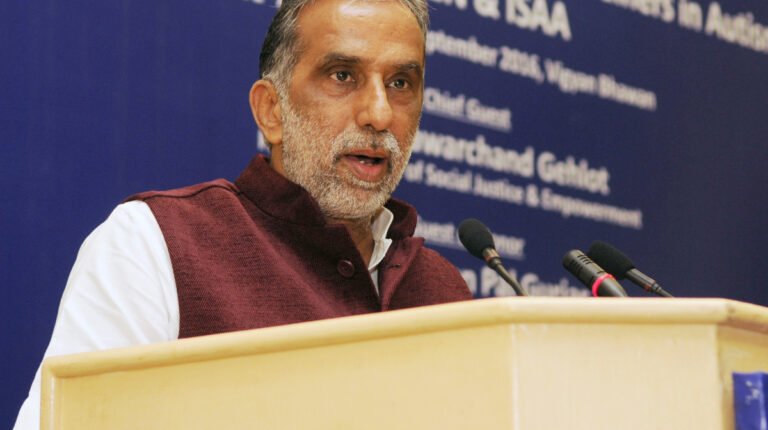
Union Minister of State for Cooperation, Krishan Pal Gurjar, concluded a two-day visit to Meghalaya on Friday, during which he reviewed the progress of several key centrally-sponsored schemes and praised the state’s efforts in pushing forward development programs under challenging geographical conditions.

Gurjar, who arrived in Shillong on July 17, took stock of flagship schemes including the Pradhan Mantri Awaas Yojana – Gramin (PMAY-G), the Jal Jeevan Mission, and the Lakhpati Didis initiative aimed at empowering women through self-help groups. He highlighted that Meghalaya has made commendable strides in implementing these initiatives despite the topographical difficulties posed by its hilly terrain and dense forest areas.

“The difficult landscape and issues around land acquisition in Meghalaya are well-known, but the way the state government and grassroots institutions have come together to ensure last-mile delivery of benefits is admirable,” said Gurjar.

He met with state officials, representatives from cooperative societies, and women beneficiaries during his visit and emphasized the need for sustained collaboration between the Centre, state machinery, and community-level organizations. He noted that the success of schemes like Lakhpati Didis — which aims to enable women to earn a sustainable income through entrepreneurship — is visible in Meghalaya’s remote districts.

The Union Minister also reiterated the Centre’s focus on making India a developed nation under the “Viksit Bharat” vision and encouraged Meghalaya to continue aligning its development goals with this national mission. “The spirit of cooperative federalism must continue to guide us as we work toward inclusive growth,” he said.

Gurjar’s visit is part of the Government of India’s initiative to conduct periodic assessments of flagship programs and enhance engagement with state governments across the Northeast.

Northeast Reels Under Monsoon Deficit Despite National Rainfall Surplus

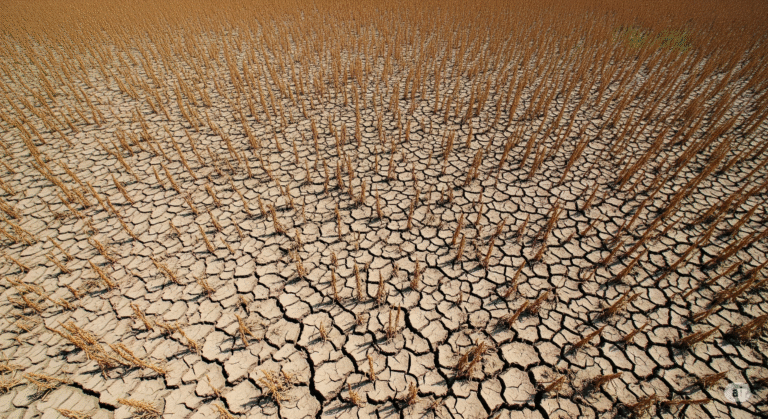
Even as the country overall enjoys a stronger-than-average monsoon season, India’s Northeast remains parched. According to the latest data from the India Meteorological Department (IMD), states like Assam and Meghalaya are experiencing a 40% rainfall deficit, while Arunachal Pradesh and Sikkim are grappling with similarly severe shortfalls, with precipitation down by nearly 39%.

This contrast stands in sharp relief to the broader national trend, which shows a 9% surplus in rainfall for the season. However, this surplus has largely bypassed large parts of the Northeast and South India, intensifying concerns about crop failures and water stress in traditionally rain-fed regions.

The rainfall deficit has hit at a critical time — the kharif sowing season — when timely and adequate monsoon showers are essential for planting paddy, pulses, and oilseeds. Farmers in many Northeastern districts have reported dry fields and delays in transplanting due to insufficient soil moisture.

Experts warn that prolonged rain deficiency in this region, which already faces fragile infrastructure and terrain-related challenges, could widen food insecurity and economic vulnerability. Agricultural input costs could also rise due to higher dependence on irrigation and supplementary water sources.

While the IMD has not ruled out rainfall recovery in the coming weeks, the delayed and uneven distribution has already left a significant mark on the Northeast’s agrarian economy. Authorities are being urged to activate contingency plans, including crop diversification, water conservation drives, and increased support for rainwater harvesting, to help mitigate further losses.

The situation is being monitored closely, as the second half of July and early August will be critical in determining whether the rainfall gap can be bridged in time to rescue the kharif season.

Assam CM Refutes Mamata’s Infiltration Allegations, Says State Acting Against Illegals

Assam Chief Minister Himanta Biswa Sarma recently strongly rejected West Bengal Chief Minister Mamata Banerjee’s accusations that Bengali-speaking Indian citizens are being unfairly targeted in Assam. Sarma clarified that his government’s campaign is aimed squarely at illegal migrants and not at any linguistic or ethnic community.

Banerjee, during a recent public meeting in West Bengal, had alleged that the Assam government was harassing Bengalis in the name of fighting illegal immigration. She claimed, “People who speak Bengali are being labelled as infiltrators in Assam. This is an insult to our language and our culture.” She also accused the BJP-led government of conducting a divisive agenda under the guise of population control and border security.

Responding sharply to these remarks, Sarma said on social media platform X (formerly Twitter), “CM Mamata Banerjee’s attempt to protect infiltrators under the garb of linguistic identity is a classic case of vote bank politics.” He stressed that the issue at hand is illegal immigration across India’s porous international border, particularly from Bangladesh, and not an attack on Indian citizens who speak Bengali.

He further wrote, “The Hon’ble Supreme Court has termed infiltration as an act of external aggression and war. Assam shall continue to fight infiltration to protect its cultural, political, and demographic identity.”

Sarma has consistently maintained that unchecked illegal immigration poses a long-term threat to Assam’s socio-political fabric. In previous statements, he has pointed to changing population patterns in certain districts as evidence of “silent demographic aggression.”

The Assam government, under his leadership, has intensified efforts to detect illegal immigrants through the implementation of the National Register of Citizens (NRC), border fencing, and eviction drives targeting settlements established on government or forest land. These measures have often drawn criticism from rights groups and opposition leaders, who argue they disproportionately affect minority communities.

Friday’s exchange between the two Chief Ministers underscores the simmering political tensions between Assam and West Bengal, especially on the sensitive issue of identity, citizenship, and border security in the northeastern region. With the 2026 assembly elections in West Bengal on the horizon, the confrontation is expected to sharpen further.

₹1.4 Crore ICSSR Grant to Power Groundbreaking Study on Northeast India’s Tribal Knowledge Systems

A major research initiative focusing on the rich cultural and traditional knowledge systems of tribal communities in Northeast India has been launched with financial backing from the Indian Council of Social Science Research (ICSSR). The interdisciplinary project, led by Banaras Hindu University (BHU) in collaboration with IIT-BHU and Pragjyotishpur University (Guwahati), has been awarded a research grant of ₹1.4 crore to conduct a four-year study on indigenous life and knowledge practices in the region.

The grant was officially sanctioned on Friday, July 19, under ICSSR’s prestigious flagship research programme, which supports long-term projects addressing critical gaps in social science research in India.

Holistic Documentation of Tribal Systems

The project aims to comprehensively document and analyse tribal medicinal systems, folk traditions, belief frameworks, ecological knowledge, and socio-political structures found among various indigenous groups across the Northeastern states, including Arunachal Pradesh, Assam, Nagaland, Manipur, Meghalaya, Mizoram, Tripura, and Sikkim.

The study will involve field research across dozens of tribal settlements, incorporating both qualitative and ethnographic methods. It intends to produce detailed scholarly documentation while also archiving oral histories, ritual practices, and plant-based healing methods, which are often underrepresented in mainstream research.

An Interdisciplinary Effort

Professor Sharad Dhar Sharma, from BHU’s Department of Sociology, has been appointed as the principal investigator of the project. The team includes academics and scientists from sociology, botany, pharmacology, anthropology, linguistics, and archaeology, making it one of the most interdisciplinary research collaborations in recent years focusing on Northeast India.

Speaking at the project launch event, Prof. Sharma noted that the team is committed to conducting research that both respects and uplifts indigenous voices, saying, “We aim to preserve not just data but the soul of tribal life — their identity, their wisdom, and their worldview.”

The institutions also plan to work closely with local universities, tribal councils, and community elders to ensure that the research process is participatory and ethical.

Focus on Medicinal Knowledge and Sustainability

One of the standout aspects of the study will be the collection and scientific validation of traditional medicinal practices, especially those involving herbal remedies passed down through generations. These will be studied through both botanical surveys and pharmacological analysis, opening up possibilities for integrating indigenous healing systems into broader healthcare dialogues.

This component is particularly relevant as global interest rises in traditional medicine and alternative therapies, especially those with ecological sustainability.

Preserving Oral Traditions and Cultural Identity

The research also emphasizes the urgent need to preserve rapidly disappearing oral traditions and intangible cultural heritage, as many tribal languages and practices are endangered due to modernization, migration, and generational shifts.

The project intends to create multilingual digital archives featuring audio-visual recordings of songs, stories, rituals, and local folklore in native dialects. These digital records will serve not only as academic resources but as educational material for younger generations in tribal communities.

Policy-Level Impact Expected

With the growing focus on inclusion and diversity in policy and development, the findings of the study are expected to inform both academic discourse and government interventions. Scholars involved in the project aim to submit regular policy briefs to the Ministry of Tribal Affairs and state governments based on field insights.

The ICSSR’s support is being viewed as a recognition of the need to diversify research priorities, especially when it comes to the unique socio-cultural fabric of Northeast India, which has long remained under-studied in national-level academic circles.

Looking Ahead

The project will commence its first phase of fieldwork in September 2025, starting with tribal clusters in Assam and Meghalaya. Initial research stations will be set up in consultation with local authorities and tribal leaders to ensure smooth community engagement.

This initiative marks a significant step toward preserving the indigenous epistemologies of Northeast India, while simultaneously creating a bridge between traditional wisdom and contemporary academic and policy frameworks.

FNCC Imposes Indefinite Ban on Kuki Movement in Manipur’s Naga Foothills Over Land Dispute

Tensions flared again in Manipur as the Foothills Naga Coordination Committee (FNCC) announced an indefinite restriction on the movement of Kuki community members within the Naga-majority foothill regions of the state. The decision, which took effect from midnight on July 18, has triggered renewed concern over the fragile inter-community dynamics in the state.

The FNCC, a conglomerate of civil society bodies and tribal councils representing Naga interests, justified the move as a protective measure against what they allege is unauthorized infrastructure development in areas traditionally held by Naga communities. The construction of a strategic road, referred to locally as the “German Road”, has become the central flashpoint. According to FNCC representatives, the road project is being executed without prior consultation or consent from the Naga populace residing in the foothill areas, thereby constituting an encroachment on ancestral land.

A Warning, Not a War

In a statement issued on Friday, FNCC leaders emphasized that the restriction was not an act of hostility towards the Kuki community but rather a defensive response to repeated violations of Naga territorial rights. They accused unnamed agencies and political actors of enabling land intrusions under the guise of development, and warned that failure to stop the “German Road” construction could lead to deeper conflict.

“The construction of the so-called ‘German Road’ is being carried out stealthily, bypassing the voices and rights of the Naga people,” said one FNCC coordinator. “We see this as a deliberate attempt to alter the demographic and territorial realities of the region, and we cannot sit silently while our heritage is threatened.”

What Is the “German Road”?

The “German Road” is believed to be a development project linking interior villages in the southern hill districts of Manipur. While it is officially pitched as an infrastructure improvement meant to boost rural connectivity, FNCC leaders claim it is being pushed through areas historically inhabited and governed by Naga tribal councils.

The project’s name is thought to originate from German-funded aid or survey activities during earlier phases of planning, although government sources have not confirmed this. The route of the road reportedly cuts through multiple contentious zones between the Naga and Kuki settlements, thereby inflaming long-standing land disputes.

Ethnic Tensions Resurface

This development comes amid an already volatile atmosphere in Manipur, where ethnic clashes between the Meitei and Kuki communities since May 2023 have left over 200 dead and thousands displaced. Although the Naga groups have largely remained on the periphery of that particular conflict, tensions have grown in recent months as boundary-related issues with both Kuki and Meitei communities have resurfaced.

While the Naga groups have traditionally advocated for an autonomous administrative framework within a unified Naga homeland, the recent Kuki calls for a separate administration have been viewed by the FNCC and other Naga groups as a potential threat to Naga territorial claims. The construction of roads or infrastructure in disputed areas is seen not merely as a civic project but as a political act with demographic implications.

Civil Society Concerns

Local watchdogs and civil rights organizations have voiced concern that the ban may lead to increased segregation and restricted mobility of common citizens, particularly in rural areas where transportation access is already limited. There are also fears that the restriction may lead to retaliation from other communities, risking a broader communal fallout.

A civil society leader from Ukhrul, speaking on condition of anonymity, said, “What we’re witnessing is the gradual hardening of territorial boundaries along ethnic lines. If development projects can’t be implemented transparently with community consensus, they become flashpoints instead of progress.”

Government Yet to Intervene

Despite the seriousness of the declaration, there has been no official statement from the Manipur government or central authorities on the FNCC’s announcement. This has led to criticism from some quarters about the lack of proactive governance in addressing the root causes of the ongoing ethnic and territorial disputes.

Security experts warn that any escalation in the foothills region could further destabilize the already sensitive state, especially as many areas are still recovering from last year’s ethnic riots. The district administrations in the affected regions, such as Kangpokpi, Ukhrul, and Senapati, are expected to come under pressure in the coming days to mediate or ensure that essential movement is not affected.

Looking Ahead

The FNCC has made it clear that the ban will continue until the construction activities on the disputed road are completely halted and a formal dialogue mechanism is initiated with Naga civil society stakeholders. They have also called on the state and central governments to ensure that any future development projects are routed through tribal consultation frameworks in accordance with the Sixth Schedule and customary land laws.

As of now, there have been no reported incidents of violence linked to the ban, but the situation remains tense and unpredictable. The coming days will be crucial in determining whether state authorities will intervene to broker peace, or whether the ban marks the beginning of a new phase of ethnic polarization in Manipur

Most Meghalaya Households Earn Below ₹5,000 Monthly, Reveals Climate Vulnerability Study

A recent study by the Meghalaya Climate Change Centre released on Friday has revealed a troubling economic reality for thousands of families across the state. According to the assessment, a significant portion of households in Meghalaya earn less than ₹5,000 per month, highlighting deep-rooted income disparities and economic vulnerability that could be exacerbated by climate change.

The report, which evaluated climate vulnerability across 39 Community and Rural Development (C&RD) blocks in the state, offers insight not only into the environmental challenges ahead but also into the socio-economic fragility that leaves many communities ill-equipped to cope with them.

Researchers found that the majority of rural households continue to depend on subsistence farming and daily wage labour, sectors that are highly susceptible to weather fluctuations, erratic rainfall, and soil degradation. These income-generating activities are not only seasonal but are also increasingly unreliable due to the changing climate patterns in the region.

According to the findings, the lack of financial stability in these households could intensify the impact of climate stressors such as floods, droughts, and shifting agricultural cycles. The report identifies low income as a core factor contributing to overall vulnerability, making it harder for families to invest in climate-resilient infrastructure or technology.

Experts behind the study have stressed the need for urgent policy interventions that combine poverty alleviation with environmental resilience. Suggestions include targeted livelihood schemes, improved access to credit, diversification of income sources, and the promotion of climate-resilient farming practices.

The Meghalaya Climate Change Centre’s report also emphasizes that social vulnerabilities — such as limited education, healthcare access, and infrastructure gaps — further complicate the ability of rural communities to respond to climatic shocks. These compounding factors put immense pressure on already-stressed local economies, leading to a cycle of poverty and risk.

The assessment is part of a broader state initiative to prepare Meghalaya for the impacts of global warming while aligning local development plans with sustainable and inclusive practices. Officials believe that such data will serve as a crucial input for district-level adaptation strategies and funding priorities.

With climate change expected to disproportionately affect economically weaker regions, Meghalaya’s case stands as a stark reminder that development and environmental planning must go hand in hand.

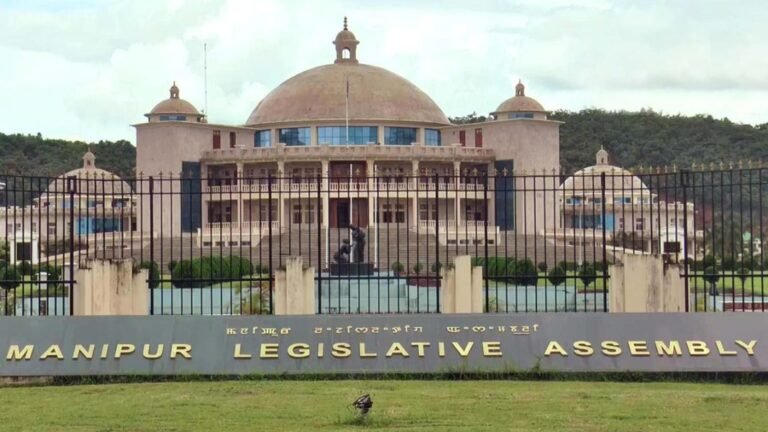
MDA Dismisses President’s Rule Rumours, Says New Manipur Govt Likely by August

The Manipur Democratic Alliance (MDA) has expressed confidence that a new government will be formed in Manipur by the beginning of August, firmly rejecting speculation about a possible extension of President’s Rule in the state.

Speaking at a press conference held on Saturday at the MDA office in Imphal, the alliance’s convener M. Tombi stated that several senior leaders from the National Democratic Alliance (NDA) and allied parties have conveyed assurance that the formation of a democratically elected government in Manipur is imminent.

“The speculation on the extension of President’s Rule in the strife-torn State is bogus,” Tombi said. “Most of the Central leaders I met have clearly indicated that a new Government is likely to be formed in the first week of August. There is no move to dissolve the Assembly either.”

Manipur has been under President’s Rule since February 13, 2025, following the resignation of N. Biren Singh from the Chief Minister’s post in the midst of ethnic unrest that began in May 2023. Although the state assembly has not been dissolved, it remains in suspended animation while the region continues to grapple with deep-rooted tensions.

Tombi alleged that internal rivalries among some elected representatives have delayed the process of government formation. “There are some MLAs who are selfish and eager to grab power, which is causing the delay. But the people want a stable, popular Government, and we must all work towards that,” he stated.

The MDA is a coalition of 10 political parties aligned with the NDA at the national level. It has been actively lobbying for a return to elected governance in the state and has maintained that President’s Rule is not a long-term solution to the region’s political instability.

With the upcoming Parliamentary Budget Session scheduled from July 21 to August 21, alliance leaders are hopeful that political developments in Manipur will progress swiftly. The alliance believes that the timing is critical and that an elected administration should be in place before the conclusion of the session.

In a parallel development, Shiv Sena—one of MDA’s key allies—has reiterated its support for the quick restoration of a civilian government. In a statement, the party listed four key demands: immediate formation of a popular government, the safe return of displaced individuals to their original homes, the restoration of uninterrupted traffic along national highways in line with the Home Ministry’s directive, and a halt to the delimitation process until concerns over undocumented immigrants are addressed.

“No delimitation process should proceed in Manipur before sorting out the illegal immigrant issue,” the Shiv Sena noted in its statement.

As the situation evolves, political observers in the region are closely watching whether the MDA’s assertions will translate into actual power transitions in the coming weeks.

Railway Board Seeks NFR Report on Revival of Assam’s Historic Doomdooma Station

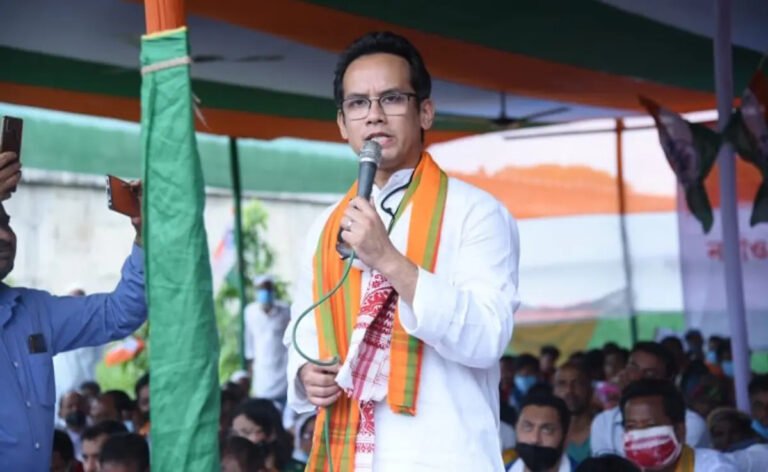
The Railway Board has taken up Jorhat MP Gaurav Gogoi’s appeal for improved railway connectivity in Assam by requesting a detailed report on the reopening of the historic Doomdooma railway station in Upper Assam’s Tinsukia district. The move is seen as a positive step toward addressing longstanding infrastructural gaps in the state’s transport network.

In an official letter dated July 15, Nishith Lucas Tigga, Joint Director (G-3) of the Traffic Commercial Branch, asked the Northeast Frontier Railway’s Chief Commercial Manager to examine the proposal and submit a comprehensive report by July 21. The proposal includes reviving the Doomdooma station on the Dibrugarh–Sadiya line and establishing a Passenger Reservation System (PRS) and a ticketing facility for the public.

Gogoi’s 22-Point Proposal for Railway Reforms in Assam

The report request follows Gogoi’s detailed submission to the Railway Board on July 1, outlining 22 specific proposals aimed at expanding rail services and restoring discontinued facilities. His suggestions include:

  • Restoration of pre-COVID train stoppages.

  • Introduction of new halts in high-demand areas.

  • Construction of new level crossings to ease local transport bottlenecks.

  • Extension of the Guwahati–New Bongaigaon passenger service to Fakiragram.

  • Reinstatement of the Brahmaputra Mail’s full route to Dibrugarh.

Gogoi has emphasized that these changes would significantly improve transportation infrastructure, reduce regional imbalances, and strengthen Assam’s integration with the broader Indian railway network. He urged the Board to act swiftly to meet the growing mobility needs of the state.

The Doomdooma station, once a vital link in Upper Assam’s rail map, has been non-functional for years, with local residents repeatedly demanding its revival. The recent move by the Railway Board to consider the proposal has reignited hopes that this and similar underutilized stations may soon return to active service.

Assam Announces GST Reimbursement Scheme to Revive Indigenous Bell Metal Craft

In a major policy step to revive the centuries-old bell metal craft of Assam, the state government has introduced a Goods and Services Tax (GST) reimbursement scheme aimed at supporting traditional bell metal artisans. The initiative, officially titled the “Assam Goods and Services Tax (Reimbursement for Indigenous Bell Metal Industries) Scheme, 2025”, was notified by the Finance (Taxation) Department on July 14.

The scheme promises financial relief to local bell metal manufacturers by reimbursing the state GST component paid in cash under the Assam GST Act, 2017. Artisans will be able to claim this reimbursement for a duration of ten years starting from the first month they are eligible.

Support for a Fading Heritage

Bell metal work, long regarded as a cultural hallmark of Assam, has seen a steady decline in recent years due to rising costs, market competition, and limited institutional support. Once exempt from tax under the earlier VAT system, bell metal products are no longer covered under state-specific tax exemption clauses in the GST regime — leading to increased financial pressure on small artisans.

The new reimbursement plan has been introduced to address these economic challenges and to uphold the state’s commitment to preserving this traditional industry. The policy move follows a budget announcement for FY 2025-26, in which the government acknowledged the struggles faced by indigenous bell metal manufacturers.

Making Traditional Craft Competitive Again

The government hopes that with tax reimbursements in place, bell metal products will become more competitively priced, giving artisans better access to wider markets across India. Additionally, the scheme is designed to encourage informal manufacturers to register under the tax framework, thereby bringing more structure and transparency to the sector.

By easing the financial burden and promoting formal participation in the economy, the scheme aims to breathe new life into one of Assam’s oldest handicraft industries — a craft deeply interwoven with the cultural and social fabric of the state.