



Assam Rolls Out 50% Farm Machinery Subsidy to Modernize Agriculture and Minimize Crop Losses

0

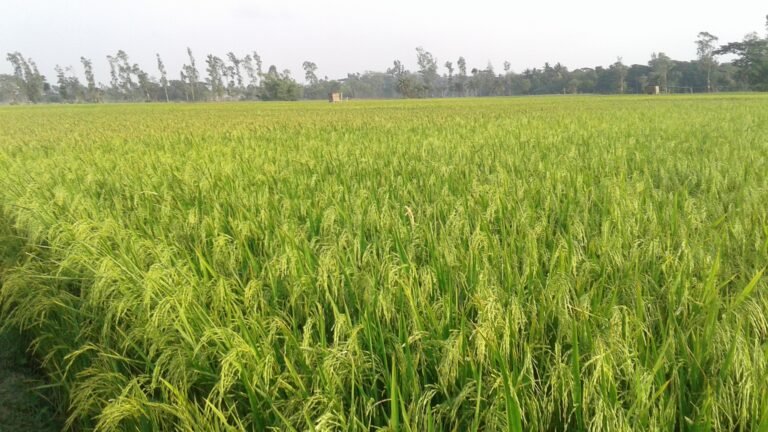
In a major step toward transforming Assam’s agricultural landscape, the state government has unveiled a new subsidy-driven initiative aimed at modernizing farming practices and boosting crop productivity. Launched by the Agriculture Department under the National Food Security Mission and the National Mission on Edible Oils–Oil Palm, the scheme offers a 50% subsidy on a range of modern farm equipment.

The focus is on enhancing the cultivation efficiency of key crops like paddy and pulses by reducing manual labor and equipping farmers with advanced machinery. Officials expect the move to help cut down post-harvest losses and improve overall yield, particularly in rural and economically weaker farming communities.

Under the scheme, individual farmers, agri-entrepreneurs, and collective farming bodies such as Farmer Producer Organisations (FPOs) and Farmer Producer Companies (FPCs) are eligible to apply. Interested beneficiaries must submit their applications directly to their respective Agriculture Department offices.

The selection process will follow a first-come, first-served basis, with early applicants given processing priority. The department has encouraged prompt participation, stressing that timely application is essential to maximize the benefits of this state-supported agricultural upgrade.

District-Level Support Also Gains Momentum

In addition to the statewide machinery subsidy scheme, individual districts are launching complementary initiatives to support the farming community. Earlier in May, Dhubri district introduced the “Viksit Krishi Sankalp Abhiyan” — a pre-Kharif season campaign designed to raise awareness and educate farmers on sustainable practices and government support schemes.

The campaign is being implemented in partnership with the Indian Council of Agricultural Research (ICAR) and the Department of Agriculture and Farmers Welfare under the central government. Through field demonstrations and outreach, the programme aims to empower farmers with updated agricultural knowledge and resource access.

Tractor and Equipment Distribution in Dhemaji

In a related effort to bolster mechanization at the grassroots level, Assam’s Education Minister Ranoj Pegu earlier this year distributed vital farm machinery to Self-Help Groups (SHGs) in Dhemaji. The event, held in February under the Integrated Tribal Development Programme (ITDP), saw the handover of 15 tractors, 18 power tillers, power weeders, and paddy threshers.

This support to SHGs is expected to benefit small and marginal farmers by easing their access to equipment that can reduce labor intensity and improve field efficiency.

Path Forward

With schemes like the 50% machinery subsidy now active and district-led outreach programs running parallel, the Assam government appears committed to empowering farmers through modernization. These developments mark a promising chapter in the state’s agricultural growth story — one focused on sustainability, self-reliance, and scientific cultivation
Biren Singh Flags Growing Narco-Terror Threat in Northeast After Major Drug Bust in Mizoram

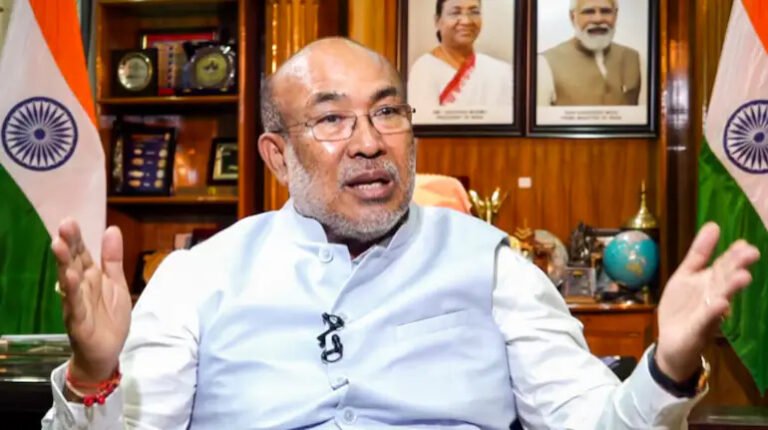
Former Manipur Chief Minister N Biren Singh has sounded the alarm over what he described as a fast-expanding drug trafficking network in the Northeast, warning that it poses a significant threat to the nation’s youth and internal security.

Singh’s statement follows a high-profile seizure of narcotics in Mizoram’s Zokhawthar area on July 17, where a joint operation by the Assam Rifles and the Narcotics Control Bureau (NCB) resulted in the confiscation of 642 grams of heroin and 10 kilograms of methamphetamine tablets. The seized drugs, valued at ₹36.79 crore, are believed to have originated from across the border in Myanmar.

Commending the agencies involved, Singh posted on social media, “I sincerely appreciate the Assam Rifles and the NCB for their coordinated operation in Mizoram. Such decisive action deserves recognition and continued support.”

Drug Corridor Expanding Across Manipur, Mizoram

Singh expressed grave concern over the increasing use of the Northeastern corridor—particularly through Manipur and Mizoram—as a transit route for narcotics. He warned that these networks were becoming increasingly sophisticated and could fuel narco-terrorism, threatening the socio-political stability of the region and the well-being of its youth.

“This massive drug smuggling network operating through the Northeast is a grave threat to the future of our country,” Singh stated. “During my tenure as Chief Minister, I had launched an all-out crackdown on drug trafficking and poppy cultivation in Manipur. That fight must continue with greater urgency.”

He urged law enforcement agencies and government authorities to ramp up anti-drug operations, particularly targeting illegal poppy plantations, which he called the “backbone” of the narcotics trade in the region. “Only a united, relentless campaign can protect our region and our youth from the devastating grip of narco-terrorism,” he added.

14-Year Jail Term for Heroin Smuggler in Mizoram

In a related legal development, a special fast-track court in Mizoram’s Kolasib district sentenced a 45-year-old man from Manipur to 14 years of rigorous imprisonment for heroin trafficking. The convict, Seikholen Khongsai, a resident of Saikot in Churachandpur district, was also fined ₹1 lakh. Failure to pay the fine would result in an additional six months in prison.

Khongsai was arrested on August 21, 2023, along with three others, after police intercepted an unregistered vehicle at Thingdawl village near Kolasib. The vehicle was found to be carrying 1.74 kilograms of heroin—an amount classified as a commercial quantity under Section 21(C) of the Narcotic Drugs and Psychotropic Substances (NDPS) Act, 1985.

Initially, authorities recovered 1.64 kilograms of heroin, with an additional 100 grams found during further investigation. According to police, the drugs were smuggled in from Myanmar and were intended for distribution in Kolasib town.

Forensic evidence played a critical role in the case, and a comprehensive charge sheet was submitted to the court. While Judge R Vanlalena acquitted the three co-accused due to lack of conclusive evidence, he emphasized the seriousness of the charges against Khongsai, warranting a stringent sentence to deter others involved in the narcotics trade.

Cross-Border Smuggling Remains a Challenge

Security agencies continue to grapple with the growing challenge of cross-border drug trafficking, particularly along the porous India-Myanmar border. The rise in drug-related arrests and seizures across Manipur and Mizoram reflects an entrenched network that exploits border vulnerabilities, local couriers, and illicit cultivation zones.

With increasing seizures and crackdowns, authorities stress the need for enhanced surveillance, cross-border cooperation, and rehabilitation efforts for vulnerable communities caught in the narcotics chain.

China Begins Construction of Massive Dam on Brahmaputra Headwaters, Sparking Regional Concerns

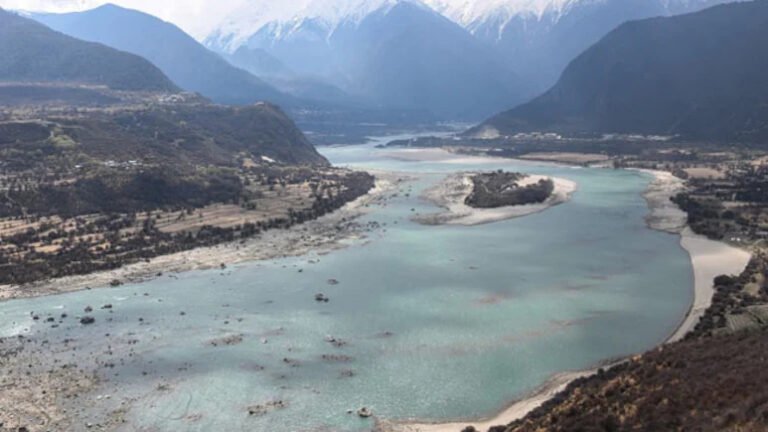
China has officially commenced construction of a colossal hydropower project on the Yarlung Tsangpo river in Tibet, which flows into India as the Brahmaputra. The groundbreaking ceremony was held on Saturday in the southeastern Tibetan city of Nyingchi, with Premier Li Qiang in attendance, according to Chinese state media.

The dam, part of a series of planned hydropower stations, is being hailed by China as a vital component of its broader carbon neutrality and economic development objectives, particularly in the remote Tibet Autonomous Region. Once completed, it is expected to rival or even surpass the scale of the Three Gorges Dam — currently the world’s largest power station — in terms of capacity and engineering scale.

China’s official news agency Xinhua reported that the electricity generated from the project will be transmitted primarily to other provinces across the country while also fulfilling local energy demands in Tibet.

A $167 Billion Investment with Cross-Border Implications

The megaproject is set to involve the construction of five large hydropower stations, with a projected total investment of approximately 1.2 trillion yuan (equivalent to $167.1 billion). Chinese authorities had approved the project in December 2023, aligning it with national strategies for green energy and regional development.

However, the development has reignited geopolitical and environmental concerns, particularly in neighboring India and Bangladesh, through which the river flows downstream.

India Raises Red Flags Over Potential Impact

India has repeatedly expressed apprehensions about China’s hydropower ambitions on transboundary rivers, citing risks to water security, ecological balance, and livelihoods of millions living along the Brahmaputra basin.

In January, India’s Ministry of External Affairs confirmed that it had conveyed its concerns to Beijing, emphasizing the need for China to avoid actions that could negatively affect downstream flow. “We will continue to monitor developments and take necessary measures to protect our national interests,” the ministry stated at the time.

New Delhi also urged China to uphold transparency and ensure that downstream nations are not adversely affected by upstream activities. The Brahmaputra is a critical water source for India’s northeastern states and plays a vital role in the regional agriculture, fishing, and power generation sectors.

China Says No Harm Will Come

Responding to the concerns, China’s foreign ministry in December had claimed that the project would not cause any “negative impact” downstream. Beijing maintained that it would “maintain communication with countries along the lower reaches of the river” to avoid tension.

Nonetheless, experts argue that the lack of a formal water-sharing agreement between China and India complicates matters. The two Asian giants have no binding treaty governing the use or construction on transboundary rivers, adding layers of mistrust, particularly amid an already fraught diplomatic relationship.

Environmental Warnings Over the Tibetan Plateau

Aside from geopolitical tensions, the environmental impact of such massive infrastructure projects on the ecologically fragile Tibetan plateau has also come under scrutiny.

Conservationists and climate researchers have long cautioned against overdevelopment in the region, which acts as a water tower for much of Asia. Large dams can alter river ecosystems, displace local populations, and potentially trigger seismic activity in the seismically active Himalayas.

“This kind of large-scale intervention in a sensitive zone like Tibet could have consequences not just for the immediate area, but for biodiversity and water security across borders,” said a senior environmental researcher based in Kathmandu.

Strained Borders and Fragile Peace

The latest development also comes amid long-standing military tensions between India and China along their disputed Himalayan border, which stretches over 3,400 kilometers. In recent years, both sides have bolstered troop deployments and infrastructure along the frontier, especially after the deadly Galwan Valley clash in 2020.

While official statements on the dam project have avoided direct references to the border tensions, analysts note that infrastructure developments in contested or sensitive regions often have strategic undertones, beyond mere economic motives.

What Lies Ahead

As China moves forward with its ambitious hydropower goals, India’s watchful stance signals a deepening of strategic vigilance in the region. Though China insists the project is purely developmental, the lack of concrete multilateral mechanisms for transboundary river governance continues to fuel mistrust.

Meanwhile, millions downstream — from Arunachal Pradesh and Assam in India to northern Bangladesh — await clarity on how this project will shape the future flow of one of South Asia’s most critical rivers.

Global Growth Outlook Brightens Slightly, But IMF Warns of Trade Tensions

0

The International Monetary Fund (IMF) has signaled that it may revise its global economic growth forecast upwards later this month, reflecting recent improvements in inflation trends and stability in global financial markets. However, senior officials have cautioned that mounting trade tensions could undermine this modest progress.

Speaking at a global finance gathering earlier this week, IMF First Deputy Managing Director Gita Gopinath said the global economy was showing signs of resilience, with inflation continuing to ease and markets responding positively. However, she stressed that economic uncertainty persists due to an increase in protectionist trade measures and geopolitical frictions.

“While inflation is easing and monetary conditions are stabilizing, the risk of economic fragmentation remains significant,” Gopinath said.

The IMF’s World Economic Outlook, which is expected to be published at the end of July, will reflect these new projections. Although no specific figure has yet been released, officials have hinted that the revised growth estimate will be slightly higher than the 3.2 percent forecast issued in April.

Gopinath warned that the increasing number of tariffs, export restrictions, and supply chain disruptions could act as a brake on global recovery, particularly for developing economies.

The IMF has repeatedly expressed concern over the long-term consequences of decoupling among major economies, which could reduce global GDP by as much as 7 percent, according to previous studies.

In the past year, inflation has declined in most advanced economies, allowing central banks to begin easing tight monetary policies. Despite these improvements, Gopinath noted that investment and productivity remain below pre-pandemic levels in many regions.

As the IMF prepares to release its updated assessment, economists around the world are closely watching not just the numbers, but the growing divergence between financial optimism and geopolitical instability.

The revised outlook will aim to capture this dual reality — modest economic gains overshadowed by persistent risks to global cooperation and trade.

Pranirsha Products Takes North-East Market by Storm with Premium Hygiene Solutions

In less than two years since its inception, Pranirsha Products, a Jorhat-based manufacturer of hygiene essentials, has captured a significant share of the North-East market. With a strong portfolio that includes floor cleaners, toilet cleaners, surface and glass cleaners, handwashes, room fresheners, and its flagship white phenyl, the brand is fast becoming a household name across Assam and neighboring states.

Founded in 2024 by Pranjal Baruah, an industry veteran with over a decade of R&D experience at major FMCG players such as Godrej and Himalaya, Pranirsha Products was born out of a clear vision—to fill the quality gap in the hygiene product segment in North-East India.

I noticed that many of the products available in our region lacked the kind of performance and fragrance longevity that consumers expect from premium brands. That’s where the idea for Pranirsha was born,” said Pranjal Baruah, Founder and CEO of Pranirsha Products.

Among the product line, the company’s white phenyl stands out as its top-seller, known for its superior formulation and long-lasting fragrance, making it a preferred choice for not just households but also institutions, hospitals, hotels, and resorts across the region.

We’ve always focused on offering performance-driven solutions tailored for North-Eastern conditions, including water quality and climatic factors. The response from our clients has been overwhelming, and it motivates us to keep innovating,” Baruah added.

Operating from its manufacturing unit in Jorhat, the company has scaled rapidly due to its quality-first approach and targeted distribution strategy. Pranirsha Products has already built a loyal customer base, including a growing number of bulk clients who rely on the brand for daily maintenance and hygiene requirements.

With plans to expand its product line further in the coming months, Pranirsha is currently investing in R&D for new additions, including eco-friendly disinfectants and biodegradable cleaning agents.

Industry analysts view the company’s growth as a sign of rising consumer demand for premium, locally-made hygiene products in the region—one that had long been underserved by national brands.

As the company continues to expand across the North-East, Pranirsha Products is well on its way to becoming a regional FMCG powerhouse, rooted in innovation, quality, and a deep understanding of its market.

RPP Slams Centre’s Interlocutor A.K. Mishra, Calls Talks with Naga Groups a ‘Waste of Time’

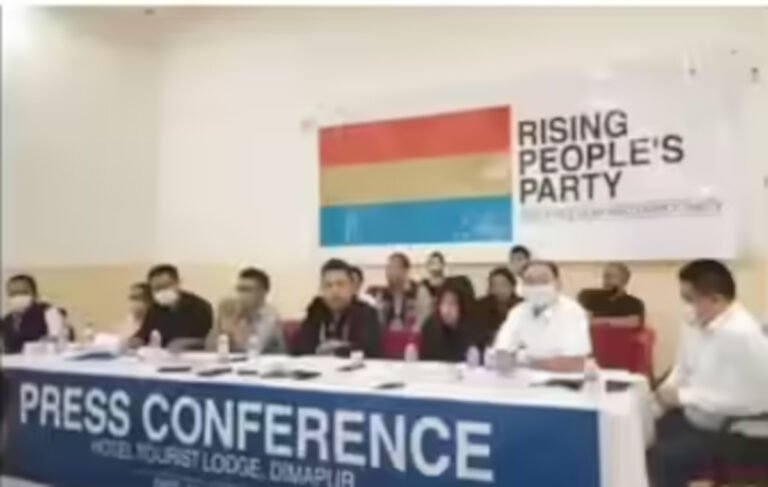
The Rising People’s Party (RPP) has launched a scathing critique of A.K. Mishra, the Centre’s interlocutor for Naga peace talks, accusing him of misleading the public with what it called “false hopes” and “empty engagements.”

In a strongly worded statement released on Friday, the RPP questioned the purpose of Mishra’s frequent visits to Nagaland, calling them “entirely fruitless” and a “waste of taxpayers’ money.” The party alleged that the government of India had no real intention of resolving the long-standing Naga political issue and that Mishra’s role had become symbolic rather than substantive.

“An experienced bureaucrat like Mr. Mishra should reconsider his repeated trips to Nagaland, which do nothing more than stir excitement among a few, while the broader public remains disillusioned,” the statement read. “Neither he nor the Government of India appears serious about a political solution.”

The remarks came just a day after Mishra chaired a meeting in Chümoukedima with representatives from two rival factions of the Working Committee of Naga National Political Groups (NNPGs). One faction is headed by N. Kitovi Zhimomi, while the other is led by Neokpao Konyak and Alezo Venuh. Mishra is also expected to meet with representatives of the NSCN (K) Niki group during his ongoing visit.

The RPP dismissed the recent meetings as inconsequential to the broader public. “While certain factions may feel rejuvenated by such engagements, the general sentiment among the people is one of skepticism, if not outright indifference,” the party stated.

The party further accused former interlocutor and ex-Governor of Nagaland, R.N. Ravi, of derailing the peace process by discarding the 2015 Framework Agreement signed with the NSCN (IM) and instead pushing for the 2017 Agreed Position with the NNPGs.

“R.N. Ravi widened the divide between stakeholders by setting aside the Framework Agreement and ushering in a new pact without consensus. That mistake continues to haunt the peace process,” the statement alleged.

Despite several rounds of negotiations over the years, a final solution to the decades-old Naga political conflict remains elusive. The dual agreements—the Framework Agreement with NSCN (IM) and the Agreed Position with NNPGs—have yet to be harmonized into a unified settlement acceptable to all factions and the Naga public.

While A.K. Mishra has maintained a consistent schedule of consultations, especially with civil society and political groups in Nagaland, the RPP’s comments reflect growing frustration with what some see as performative diplomacy rather than meaningful progress.

As the peace process drags on, the Centre’s interlocutor faces increasing pressure to demonstrate tangible outcomes. For many in Nagaland, patience is wearing thin, and the RPP’s statement may mark a turning point in public discourse over the credibility of ongoing talks.

Centre, Naga Groups Reaffirm Commitment to Peace Amid Renewed Push for Political Resolution

In a renewed effort to break the deadlock over the long-standing Naga political issue, the Government of India’s interlocutor, A.K. Mishra, held a significant joint meeting with leaders of key Naga political groups in Chümoukedima on Thursday.

The dialogue brought together two major factions of the Working Committee of the Naga National Political Groups (NNPGs): one led by N. Kitovi Zhimomi and another helmed by Neokpao Konyak and Alezo Venuh. Mishra is also scheduled to engage with the NSCN (K) Niki group during his current visit, signaling a comprehensive round of consultations with major stakeholders.

Speaking to reporters after the meeting, Working Committee convenor N. Kitovi Zhimomi voiced optimism about the direction of the talks. “We are committed to finding an early solution. Our decision is to move forward together, not be held back by the past,” he said.

Echoing the sentiment, co-convenor Isak Sumi highlighted the need for unity among all Naga factions. “This is not about a single group—it is a process of collective consolidation. The goal is to arrive at a shared resolution through consensus,” he stated. Sumi called on all stakeholders to work jointly toward drafting a unified roadmap for the implementation of any eventual agreement.

He also clarified that while no formal date has been set for the next round of discussions, there is a shared desire to expedite the process. “We are not operating through a rigid structure. Each group maintains its individual identity while coming together at the negotiation table,” Sumi noted.

The joint meeting follows the last round of talks held on June 12, and Mishra’s arrival in Nagaland on July 16 marks another step in the Centre’s continuing engagement with Naga stakeholders. Prior to the latest gathering, Mishra had also met separately with NSCN-IM leaders, according to sources.

Over the years, the Government of India has signed two landmark documents with Naga groups—a Framework Agreement with the NSCN-IM in 2015, and an Agreed Position with the NNPGs in 2017. Although negotiations have been underway for years, a final and inclusive political solution has not been reached.

In October 2019, the then interlocutor and Governor of Nagaland, R.N. Ravi, declared that talks had officially concluded. However, unresolved issues have since continued to stall the formal announcement of a peace accord.

The NSCN-IM has consistently stood firm on its core demands, which include a separate Naga flag, a distinct constitution, and the integration of all Naga-inhabited areas—issues the Centre has not agreed to. This divergence has been a key reason for the delay in reaching a comprehensive solution.

Meanwhile, the Working Committee of the NNPGs has expressed a more pragmatic stance, indicating willingness to accept what is feasible at present and continue discussions on other contentious issues in the future.

With the peace process entering yet another critical phase, the Centre’s challenge remains the same: to bring all Naga stakeholders on board, address historical grievances, and forge a political settlement that is both inclusive and lasting.

Union Minister Urges Meghalaya to Engage Protesters Over Railway Expansion Plans

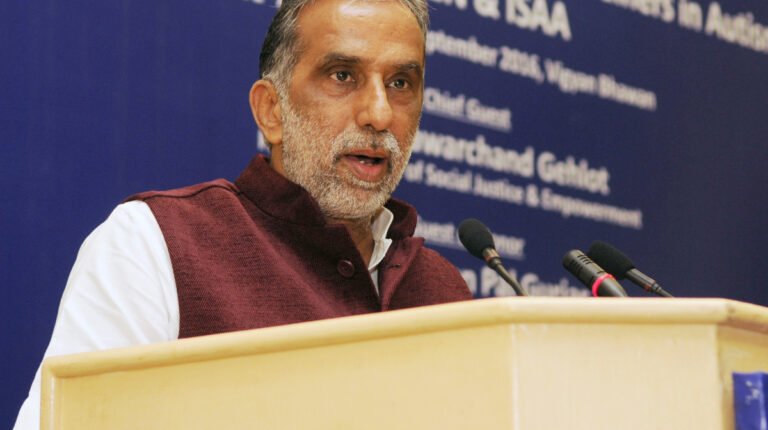
Union Minister of State for Cooperation, Krishan Pal Gurjar, on Friday urged the Meghalaya government to initiate dialogue with groups opposing railway projects intended to connect all northeastern state capitals to the national rail network.

Speaking during his visit to East Khasi Hills, Gurjar underscored the Prime Minister’s vision for seamless connectivity across India, including remote regions. “The Prime Minister’s vision is to ensure strong and seamless connectivity across the country—be it through railways or airports—in every state capital,” he said.

The central government has proposed two key railway projects in Meghalaya: a 22-kilometre stretch from Tetelia in Assam to Byrnihat, and a longer 108-kilometre line from Byrnihat to the state capital, Shillong. While the Tetelia–Byrnihat project, sanctioned at ₹496 crore, has made some progress, it remains stalled amid persistent opposition.

Resistance to railway expansion in the state has remained a contentious issue for several years. Critics, including civil society groups, local communities, and various political voices, argue that introducing rail connectivity without sufficient safeguards may trigger large-scale migration, environmental harm, and a threat to the state’s indigenous identity. Proponents, however, view the rail network as vital for boosting the economy, improving market access, and reducing transportation costs in the hilly terrain.

“The state must engage with all stakeholders to address concerns and ensure that key infrastructure is not indefinitely held back,” Gurjar said, stressing the importance of inclusive development.

The Minister also reviewed progress on a series of central government schemes during his visit. In East Khasi Hills, he visited the Mawtawar Water Supply Scheme, a project lauded for its community-driven model supported by government funding.

Later, Gurjar chaired a review meeting with officials from the planning and cooperation department, assessing the implementation of various flagship schemes, including the Mahatma Gandhi National Rural Employment Guarantee Scheme (MGNREGS), the Pradhan Mantri Awas Yojana – Gramin (PMAY-G), Jal Jeevan Mission (JJM), National Livestock Mission (NLM), and the Mushroom Development Centre.

In his address, Gurjar reiterated the Centre’s long-term national growth agenda under the “Viksit Bharat 2047” initiative. “It is the Prime Minister’s belief that when the people prosper, the states prosper, and when the states prosper, the nation becomes a thriving, self-reliant country,” he said.

The Union Minister also took time to meet with beneficiaries of various central welfare schemes. Among them were rural job card holders, members of women-led Self Help Groups (SHGs) known as Lakhpati Didis, cooperative societies, and water conservation volunteers—referred to as “water warriors”—who are actively participating in sustainable development efforts across the state.

As Meghalaya continues to debate the future of its railway ambitions, Gurjar’s visit signals a renewed push from the Centre to address local anxieties through communication, transparency, and inclusive policymaking

Soul Food from the Northeast: Exploring the Culinary Roots of the Region

0

Beyond the samosas and curries of mainstream India lies a culinary world rooted in forests, farms, fermentation, and fire. The food of the Northeast is a celebration of natural abundance and tribal knowledge passed down through taste and memory.

Bamboo and Smoke – The Heart of Naga Cuisine

In Nagaland, meals often begin with smoked pork cooked in bamboo shoot or axone—a fermented soybean paste. The smoky flavor, rich and primal, defines the local palate.

Chef Benjung Sema, owner of a small eatery in Dimapur, explains: “Our food evolved to last. Smoking meat or fermenting beans wasn’t just taste—it was survival.”

Axone, once dismissed as pungent, is now stocked by gourmet food outlets in Delhi. At modern restaurants, it appears in tacos, pastas, and even aioli sauces.

Foraging with the Mizos

In Mizoram, traditional meals are often built around seasonal greens, fish from hillside streams, and herbs from nearby forests. Fermented mustard, tender pumpkin leaves, and boiled rice are staples.

Local homemaker Lalrinfeli Ralte says, “What grows around us ends up on our plates. It keeps us grounded.” Mizoram’s food is often oil-free and served in bamboo containers—a trend now being picked up by wellness cafes across India.

Manipur’s Fermented Wonders

The cuisine of Manipur features fermented fish (ngari), wild mushrooms, and lotus stem. Eromba, a chutney-like preparation made of boiled vegetables, chilies, and fermented fish, is a daily staple.

Student chef Achouba Ningthoujam, who runs pop-ups in Delhi, notes, “It’s a shock at first bite. But then it grows on you. It’s flavor with personality.”

Meghalaya’s Stone-Baked Stories

In the Khasi and Jaintia hills, food is cooked on hot stones or slow-baked in earth ovens. Dishes like Jadoh (rice and meat cooked in local spices) or tungtap (a fish paste) reflect a people who live in deep rhythm with the monsoons and the land.

The Nongkynrih family in Cherrapunji runs a cooking school where they teach guests to collect wild pepper, prepare rice beer, and cook with stone tools.

To conclude, the flavours of the Northeast is a table full of traditions

To eat in the Northeast is to travel through time. Each dish tells a story of land, season, and survival. As India rediscovers regional flavours, the Northeast stand ready with smoke, fire, and deep deliciousness.

The New Age of Northeast Fashion: How Tribal Weaves are Going Global

0

In a world increasingly drawn to sustainability and storytelling, the fashion of the Northeast is emerging as a powerful narrative. With its handwoven textiles, ancestral motifs, and vibrant dyeing techniques, the region’s fashion is no longer confined to festivals or tribal ceremonies and it is stepping onto international ramps, Instagram grids, and urban wardrobes across India.

The Looms of Legacy

For instance, in Manipur’s Imphal Valley, women still sit by backstrap looms weaving phanek and rongmei patterns. These fabrics, once worn exclusively during rites of passage or village festivals, are now being reimagined into jackets, bags, and even sneakers.

At the center of this resurgence is 28-year-old Tara Luwang, a fashion entrepreneur who sources her designs from 16 remote villages. “Every motif on our cloth is a story—of battles, of harvest, of prayer,” she says. Her brand, Thangmei Collective, collaborates with local women and reinvests profits into school scholarships and yarn cooperatives.

Reinvention in the Hills

Not very far away, Nagaland’s Loinloom tradition, once endangered, has seen a revival thanks to young designers like Imnatula Jamir, whose collections have been featured in alternative fashion shows in Goa and Berlin. Using traditional backstrap looms and naturally dyed cotton, Imnatula fuses western cuts with tribal textures.

“Why should culture be stuck in museums?” she asks. “Fashion is living culture. If we wear it, we remember it.”

Muga and Eri – Assam’s Golden Heritage

muga mekhela chador from Assam
Muga mekhela chador from Assam

And of course, Assam’s muga silk and eri threads have long been known for their durability and elegance. But a new wave of designers is using these materials not just for mekhela chadors, but also for minimalist gowns, scarves, and interior décor.

In Guwahati, designer Nabina Das has opened a studio that sells Muga-silk crop tops, Eri linen jumpsuits, and gender-neutral stoles. She works with weaver clusters in Sualkuchi and markets her collection as “luxury with roots.”

Style, Identity, and Resistance

For many, wearing tribal weaves is not just fashion—it’s a political act. Students across Delhi, Mumbai, and Bangalore often showcase North-Eastern jackets or wrap skirts as statements of identity and defiance against racial stereotypes.

“In a world that often erases us, our threads speak back,” says activist and student Rinlen R Shimray. Social media has further amplified this movement, with hashtags like #WeaveOurPride and #NagaIsNow trending regularly.

So in a Nutshell it’s From Roots to Ramps

Fashion from the Northeast is not just traveling—it’s transforming. It is becoming a living dialogue between heritage and modernity, between village looms and global closets. In each weave lies a story, and the world is finally ready to listen.