













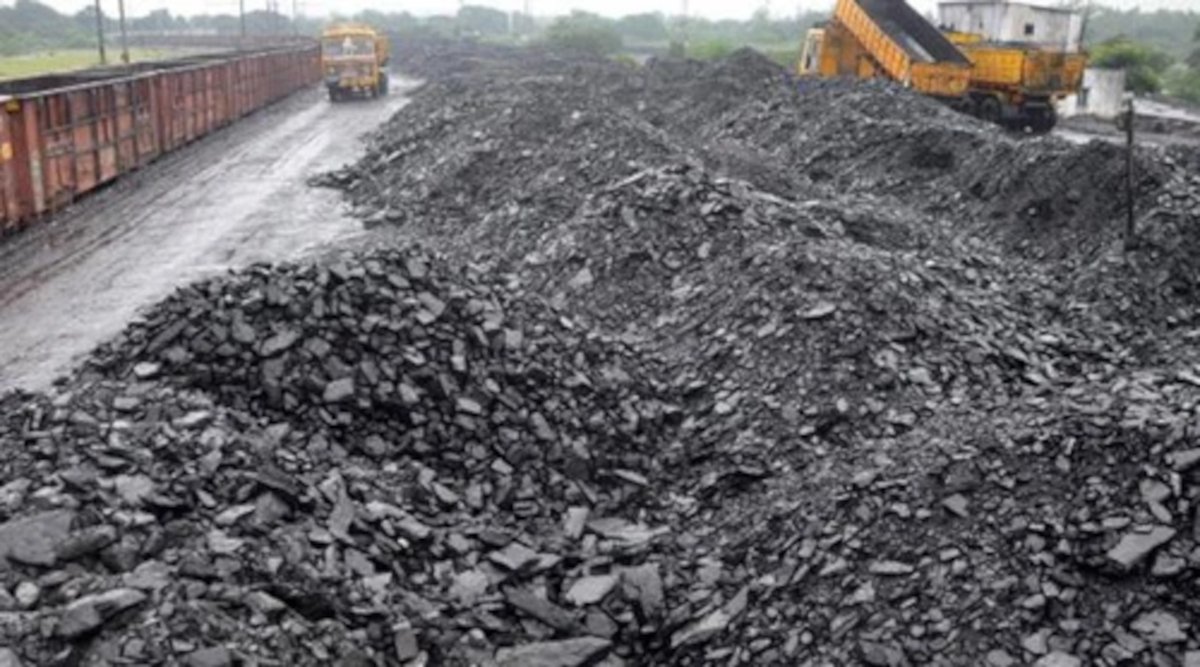
SHILLONG: A one man committee appointed by the Meghalaya High Court has confirmed that illegal coal mining continues unabated in parts of East Jaintia Hills, sharply criticising the district police for failing to act despite earlier complaints and video evidence. The committee’s findings have renewed concerns over the effectiveness of enforcement measures and the wider environmental and social fallout from unchecked extraction.
Justice B P Katakey, who heads the committee mandated to review compliance with court directives on coal mining, submitted a fresh report noting that clandestine operations remain active in several pockets of the district. He observed that mining pits and transportation routes were functioning even after repeated assurances from authorities that illegal extraction had been curbed. “There is clear continuity of mining activity that should not have occurred under any circumstances,” the committee noted in its latest assessment.
Our correspondent reports that the committee was particularly critical of the East Jaintia Hills police, stating that the force had displayed what it described as a lack of vigilance and follow up. According to the panel, the police failed to detect fresh mining despite being provided with location specific complaints and video clips showing active pits and coal movement. “When evidence is already available and complaints have been filed, it is the responsibility of the district police to verify and act. That fundamental requirement has not been met,” the report said.
Local residents and activists have repeatedly raised alarms over renewed digging, transportation of coal in the late hours and the presence of trucks on forest routes. Many of these concerns were brought before the court appointed committee which then undertook on site verification. The findings now confirm what community groups have long alleged. “We had submitted proof many times. It is only now with the committee’s confirmation that it is officially acknowledged,” said a resident who has been involved in documenting mining sites.
Environmental groups warn that the extended continuation of such operations has grave ecological consequences. They point to polluted streams, destabilised land and hazardous working conditions for labourers often recruited informally. Our correspondent adds that the panel remarked on visible environmental stress during its inspections, particularly in areas where unfilled mines and coal heaps sat close to water bodies. “The contamination from runoff is something we have been observing for years,” said an activist with a local conservation group. “This report finally brings authority to what communities have been experiencing.”
Officials within the state administration acknowledge the seriousness of the committee’s observations but insist that steps are being taken to strengthen enforcement. A senior government officer said investigations would follow and responsibility would be fixed wherever lapses were confirmed. “The instructions from the High Court are clear. We will study the report in detail and act accordingly. Enforcement systems will be tightened,” the official stated. He added that patrol units in vulnerable zones would be increased and that periodic checks would be made mandatory.
Our correspondent reports that the committee has recommended stronger monitoring mechanisms including regular reporting from district officials, dedicated surveillance teams and the use of technology for real time tracking of suspected mining activity. Justice Katakey also suggested that the government streamline coordination between police, mining authorities and the forest department to eliminate what he called operational gaps.
Economic drivers behind illegal mining also surfaced in the committee’s notes. According to local leaders, the lack of steady employment opportunities pushes many residents toward informal mining even when they understand the risks. “Families need income and options are limited,” said a village headman. “Unless there is an alternative path, people will continue to do what keeps their homes running.” The committee has recommended that the government design livelihood programmes in mining prone regions to break this dependency cycle.
Political observers say the report places pressure on the state government ahead of upcoming compliance hearings. They argue that the High Court’s stern comments about lapses in policing could force urgent administrative action. “The judiciary has made it clear that excuses will not be accepted,” said a political analyst. “The government now has to demonstrate not intention but results.”
Our correspondent adds that the High Court is expected to assess the committee’s findings in its next hearing and may consider issuing further directives. Meanwhile, residents and activists hope the renewed judicial scrutiny will finally bring sustained enforcement on the ground. “We want real action this time,” said a community worker. “Not temporary raids but a permanent solution.”