











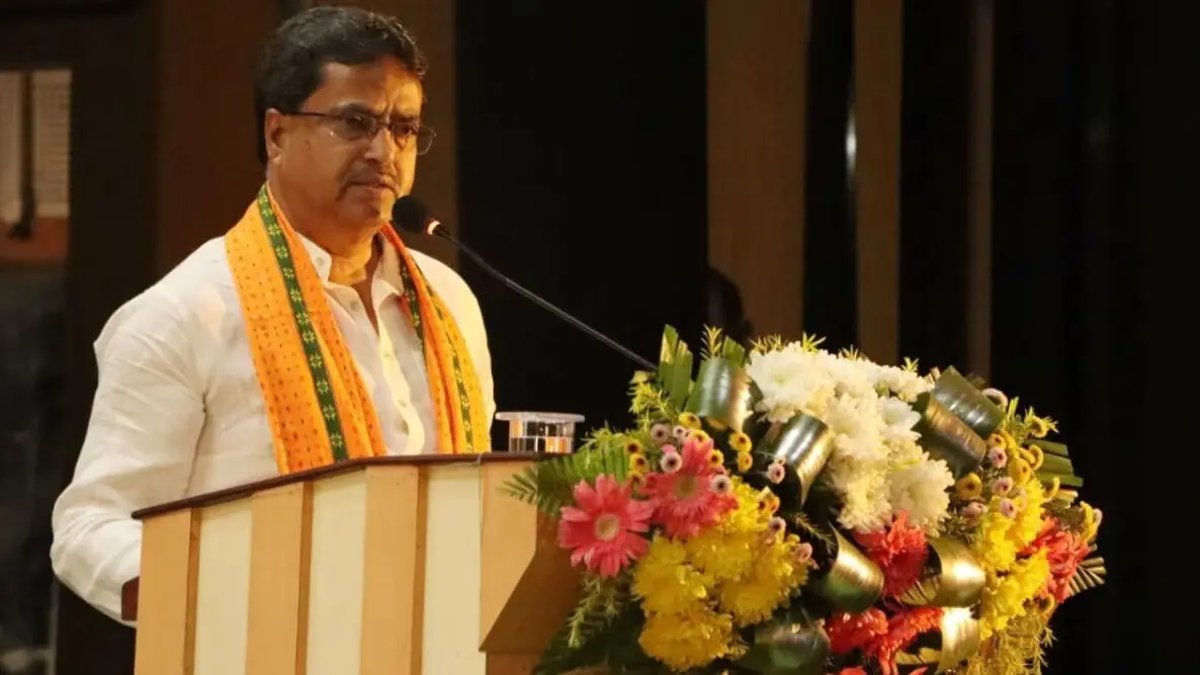
AGARTALA: The Chief Minister of Tripura, Manik Saha has urged the Centre to prioritise “all-weather” connectivity projects across the Northeast, underscoring the region’s pressing need for robust, climate-proof infrastructure. In a public statement, the CM stressed that better connectivity is not just a matter of convenience but a vital necessity to foster economic growth, regional integration and social upliftment.
Our correspondent reports that during a recent address, Saha highlighted how much of the Northeast remains vulnerable to seasonal disruptions, especially during monsoon and flood seasons, which often paralyse road and rail transport, isolate communities, and stall emergency services. He argued that unless infrastructure is upgraded to withstand severe weather and terrain challenges, development initiatives may fail to reach their intended beneficiaries.
“As long as our roads, rail lines and bridges cannot survive the heavy rains and floods, our people will remain cut off and opportunities will remain limited,” Saha said. “It is time for the Centre to step in and ensure that the Northeast enjoys the same dependable connectivity enjoyed by other parts of India.”
He emphasised that all-weather roads, resilient rail links and improved air connectivity would help the region unlock its full potential. Saha pointed to the strategic importance of the Northeast as India’s gateway to Southeast Asia, suggesting that robust transport infrastructure would not only benefit local trade but also strengthen cross-border commerce and national security.
Our correspondent adds that Saha’s plea comes at a time when several Northeast states have repeatedly voiced concerns over frequent landslides, road washouts and flood-related disruptions. According to him, these issues do not just hamper everyday mobility but also impede critical sectors such as health services, education and market access for rural populations.
The Chief Minister expressed particular concern for remote and border areas, where residents are often at the mercy of weather and lack alternate routes. He noted that in many cases even essential supplies, medicines, food, emergency relief, struggle to reach affected communities in time because of collapsed bridges or impassable roads. Saha called upon the Centre to fast-track sanctioning and implementation of pending infrastructure projects that incorporate modern construction standards, climate-resilient materials and long-term maintenance plans.
“Our people deserve more than temporary fixes,” he said. “We need durable, sustainable connectivity structures that weather monsoon, floods and time.”
Our correspondent reports that Saha also stressed the importance of integrating local perspectives into these projects. He urged that consultations involve state governments, district administrations and community stakeholders to ensure new roads, rails and bridges serve actual needs and do not simply remain on paper. He warned that poor planning without local input risks underutilisation or repeat damage, defeating the purpose of building “all-weather” infrastructure.
Recognising the unique terrain and ecological sensitivity of the Northeast, Saha called for deployment of advanced engineering solutions, better drainage systems, landslide mitigation measures and regular maintenance schedules. He asked the Central government to release dedicated funds under a special Northeast Connectivity Fund, tailored to the region’s climate and geographic challenges.
Our correspondent adds that he suggested expediting approvals and clearances for ongoing projects such as highway widening, rail gauge upgrades and bridge reinforcements, many of which have seen protracted delays due to environmental clearances, funding bottlenecks or bureaucratic inertia. According to Saha, delays only exacerbate the region’s vulnerabilities, especially when disasters strike.
The call for improved connectivity comes amidst a growing national recognition of the need to integrate the Northeast more closely into India’s economic and strategic framework. Analysts say that ensuring uninterrupted connectivity, even during adverse weather, could unlock opportunities for tourism, agro-industry, logistics, border trade and investment, potentially transforming the region’s economic landscape.
Local communities and civil-society groups have largely welcomed Saha’s remarks. Many expressed relief that the issue was being raised at a high political level, noting that better roads and railways could dramatically improve access to education, healthcare and employment, especially for youth in remote areas. Some observers cautioned, however, that success would depend heavily on execution, transparency and sustained follow-through rather than mere announcements.
In closing, the Chief Minister reiterated that reliable connectivity is not a luxury but a lifeline for the Northeast. He urged the Centre to act swiftly, allocating both financial and administrative resources to build infrastructure that stands strong against environmental challenges, and in doing so, unlock the full potential of India’s frontier region.
As the demand echoes across state capitals, the hope is that improved infrastructure will soon translate into tangible benefits for millions, not only in Tripura, but across the entire Northeast.